Modern shops chase accuracy with multi-axis routers and fancy software, but the simple wood-boring machine keeps the production line honest. On panels, fast drilling for dowels and hardware often beats pure router work for speed and consistency, which is why I point folks toward a solid cnc furniture machine setup when they ask how to cut cycle times without ditching quality. This is a problem-driven look at why the old-school boring head still earns its keep in CNC-driven cabinet lines.

Where the problem starts: gaps between speed and precision
Big routers carve shapes clean, but they don’t always handle repeat hole patterns and hardware prep as quickly as a dedicated boring machine. Shops that only rely on a router waste minutes on tool changes, additional clamping, and checking tolerance on hinges and dowel runs. The result: slower throughput and more hand finishing. Real-world anchor — at a Chicago cabinet shop I spent time in, swapping a portion of router runs to a panel boring line cut assembly prep by roughly 30% over three months.

Operational teardown: how boring machines fit into production
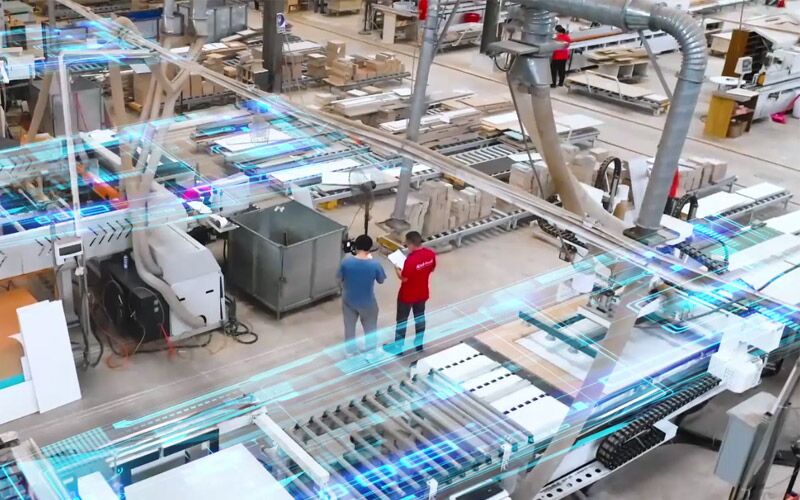
Think of the production line like stages: panel cutting and nesting, boring and hinge prep, edge banding, then assembly. A dedicated boring station keeps a consistent toolpath for every cabinet side and shelf, using preset spindle and drill bit setups so operators don’t fuss with feed rate every cycle. For shops focused on cnc for cabinet making, that means fewer rejects and predictable takt times.
What goes wrong and how to fix it
Common mistakes show up fast: wrong pilot holes, dull bits, sloppy jigs. Fixes are basic and cheap — sharpen or rotate drill bits on schedule, lock edge guides, and verify spindle alignment at the start of each shift. Don’t over-complicate software; keep the boring templates simple and consistent. A second thought — operators often rush maintenance when they’re under orders to hit quota. That’s a fast route to downtime.
Alternatives and where they fall short
Some shops try high-speed routers with multiple tool changers to replace a boring line. Those systems work, but they add complexity: more expensive spindles, longer maintenance windows, and a steeper learning curve for operators. Others lean on CNC indexers and punch presses for inserts — solid options for high volume, but not flexible enough for mixed runs or custom cabinet jobs. A hybrid approach that pairs a router with a boring machine often gives the best mix of flexibility and output.
Cost, quality, and crew: the production trade-offs
Spend on a boring machine and you get repeatability without burning time on tool swaps. Spend on a top-end router and you get shape versatility but more prep time. Trades I recommend: standardize hardware layouts, log drill bit life, and keep a spare set of jigs for fast swap-outs. These moves cut mis-drills and keep assembly moving. Industry terms matter here: check nesting plans for conflict, monitor feed rate accuracy, and confirm vacuum table hold-downs are consistent so panels don’t shift mid-drill.
Three golden rules for picking the right setup
1) Prioritize repeatable throughput. Measure cycle time per panel and pick equipment that lowers that number without adding rework. 2) Match tooling to volume. Use dedicated boring heads and quality drill bits for medium-to-high runs; keep routers for profiles and cutouts. 3) Train to standards. A trained operator who follows a maintenance log and checks spindle alignment will save far more money than a marginally faster machine.
Those rules point straight to practical value — which is why a balanced line that includes a dependable boring machine and smart panel equipment like HUAHUA CNC makes sense for most cabinet shops. It’s not flash, it’s reliable work — and that’s what keeps the orders moving. —