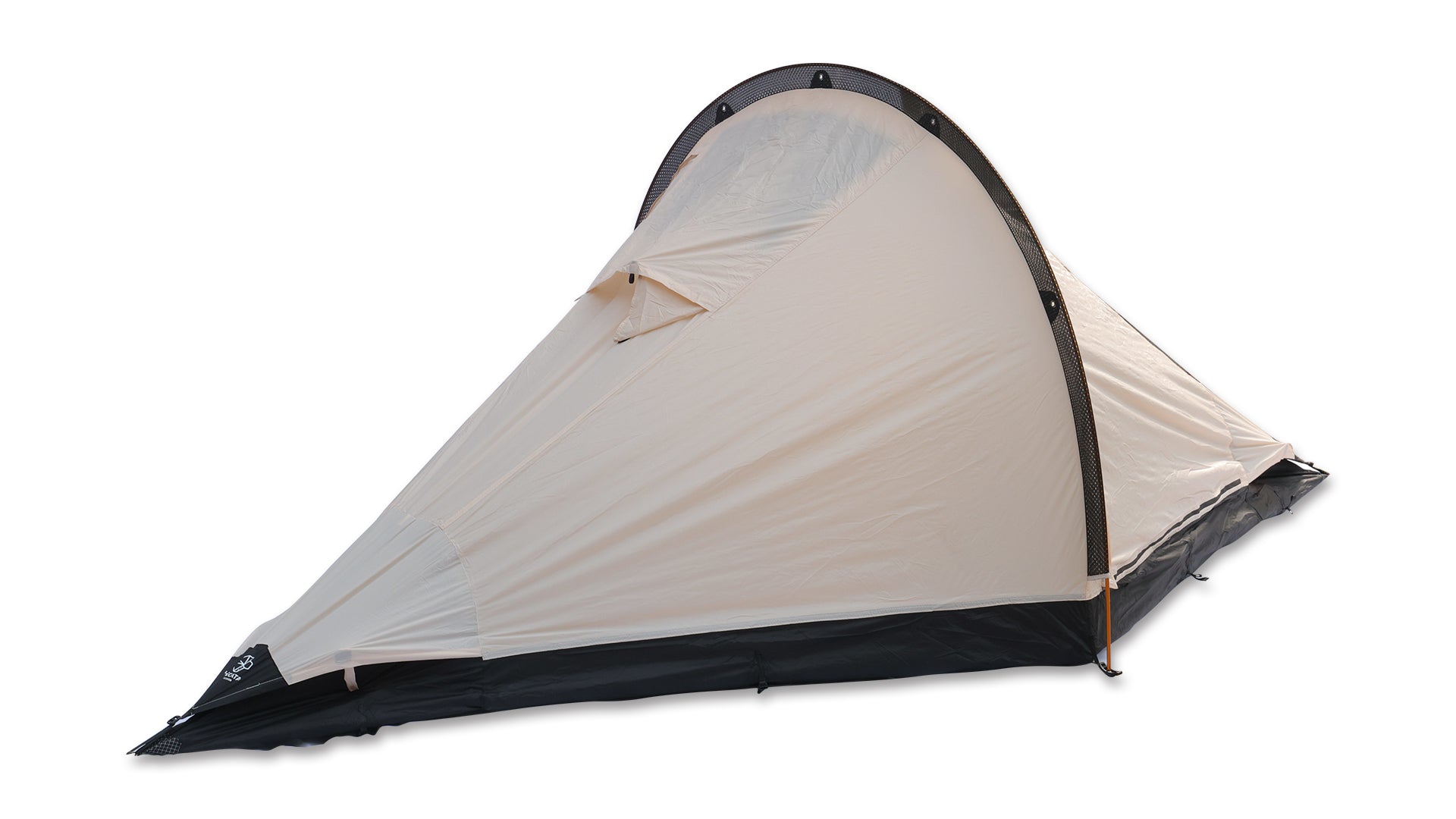
Why big tents catch crews slipping
Look — a twelve-person cabin sounds fly on paper, but most crews hit the same brick wall: space don’t behave like the spec sheet. I been running group trips and hauling gear for over a decade, and I watch layouts turn into traffic jams fast. I trust thecatal outdoor gear enough to bring it on those runs. Once, testing brand outdoor products at Yosemite with friends, we learned big tents fail where people count on them the most — circulation, privacy, and quick teardown when storms roll in.

Problem-first: what really matters on capacity
Manufacturers list sleeping capacity like it’s gospel. It ain’t. Capacity is about usable floor, gear footprint, and whether you want room to move. If you cram twelve adults next to stacked duffels, nobody sleeps. Rule I learned guiding: subtract two to four from the advertised number for adults. Kids? They’re negotiable. Bring floor plans mentally: earmark zones for sleeping, gear, and a small “get dressed” area. That prevents the midnight shuffle and ruined mattresses.
Layout logic: doors, dividers, and airflow
Cabin tents with straight walls give you standing room. Good. But doors and windows decide how the space breathes. Pick a layout where doors face common walk routes, not the sleeping row. Use removable dividers only if you actually need privacy; they cut ventilation. Mesh panels keep condensation low. My teams always set internal gear along the outer walls so exits stay clear and walkways stay sane.
Setup hustle: speed, roles, and the right extras
Big tents ain’t one-person jobs. Assign roles: pole lead, stake lead, rainfly lead. Practice once at home. Bring long stakes and extra guylines; soft ground eats stakes. Use a catch-all tarp under the footprint but stop it before the edges to prevent rain pooling. If you expect wind, increase guy-out points and angle the shelter so the narrow profile faces the gust. Pack a small roll of repair tape and an extra set of poles — not flashy, but saves a night.
Common mistakes crews keep repeating
They overpack, they skimp on stake quality, and they assume advertised capacity equals comfort. People drop the tent in a tight spot because it looks flat on Google Earth; that kills ventilation and invites puddles. They also set up the fly before checking the pole alignment, so doors misalign and windows don’t seal. Fix: prioritize a flat, slightly-raised footprint and dry-test the setup at home once.
Alternatives and the trade-offs you gotta accept
Two smaller tents beat one massive one on flexibility and setup speed. Big single tents win when you want a communal living area and weatherproof single shelter. Dome designs shed wind better. Cabin designs give usable interior volume. Decide what’s non-negotiable for your crew: privacy, quick pack-down, or a shared common space. Match the tent to your trip rhythm, not the ego of how many people you can squeeze in.
Real talk on maintenance and trust
Take care of the fabric. Dry it before packing. Rinse saltwater and let it breathe. Replace worn guylines. Those small habits keep zippers and seams honest for seasons. My experience guiding regional trips and swapping notes with other pros makes me picky about hardware. Good tents cost more up front but chew less time on resupply runs and drama at the campsite.

Wrap — what actually solves the problem
If your problem is crowding, pick usable square footage over headline capacity. If your problem is setup chaos, split tasks and carry backup stakes. If your problem is condensation and storms, chase mesh, smart vents, and solid fly coverage. After years on trails and a few stormy nights at Yosemite, the clean solution is clarity: match layout to how people actually move, practice the setup once, and choose gear that stands up to real use. That’s the kind of practical standby I expect when I’m packing for a group trip with THECATAL.