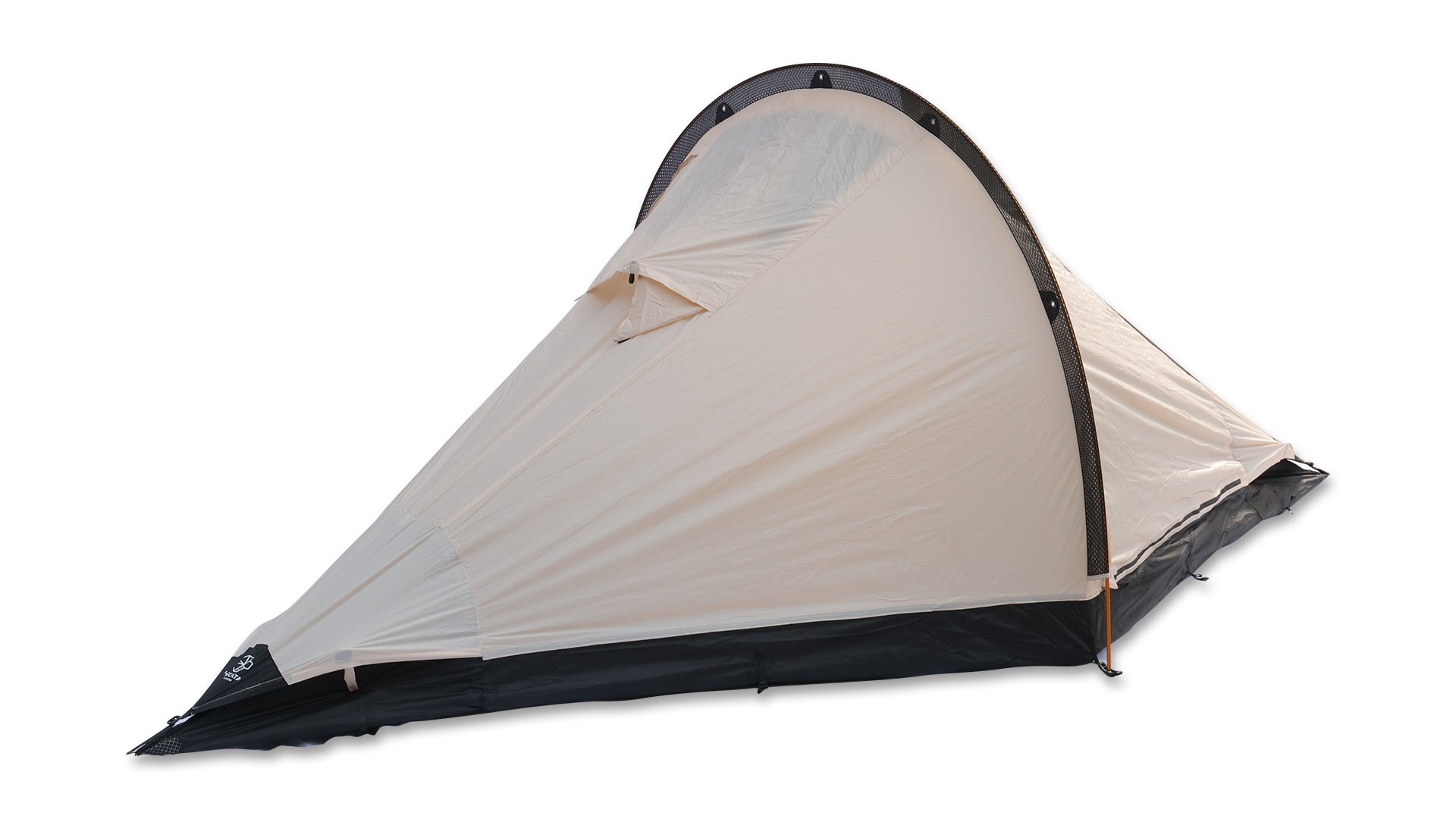
Gentle start: what matters to you
You want a tent that keeps you warm or cool, fits the people and gear you bring, and doesn’t fight you on the hike in. I’ll walk you through choices with a steady hand—no fluff, just plain guidance—so you can pick what fits your life. If you’re browsing trusted makers while you decide, take a look at thecatal outdoor for clear product notes and tested sizing. I’ve helped dozens of weekend groups and families plan trips and set up tents in coastal rain and dry alpine sun, and I watch tent pole innovation closely at Outdoor Retailer trade shows because pole choice changes pack weight and setup speed: tent pole technology.

Start with the weather you’ll actually face
Pick a tent rated for the conditions you expect. Three-season tents handle spring to fall: they balance ventilation and rain protection for most campers. Four-season tents are built for heavy snow and high winds; they use sturdier pole structures and lower profiles. Look for a full-coverage rainfly and taped seams if rain matters. On hot, humid trips, prioritize mesh panels and vents that keep air flowing. Don’t be seduced by ratings alone—check fabric denier and floor hydrostatic head numbers if you want specifics, but trust a tent that feels solid and has clear manufacturer specs.
Match capacity to real life, not marketing
Manufacturers list maximum occupancies to sell tents. Choose a size for how you sleep and live. For comfort, add one person to the stated capacity (a tent marked “2-person” is often cramped for two plus gear). Look at floor area per person and the length if you or your partner sleep long. Vestibules matter: a roomy vestibule stores packs and boots without cluttering the sleeping area. Families should prefer tents with clear internal organization—dividers, multiple doors, and pockets reduce nighttime fumbling. Test the setup: a tent that’s awkward to arrange will make weekends feel longer.

Transport and setup: weight, packed size, and pole choices
Decide whether you’ll car-camp, bike, or backpack. Car campers can choose heavier, more comfortable tents. Backpackers need low packed volume and light weight. Pole materials drive a lot of that trade-off: aluminum and composite poles favor durability, while some light alloys reduce weight at cost to stiffness. Shorter poles and simpler clips usually speed up setup; freestanding tents let you shift pitch sites more easily. Practice a pitch at home so you know how long it really takes and whether you need color-coded poles or a simple hub system for quick assembly.
Materials that matter and how to read them
Floor fabrics should have a high hydrostatic head rating and robust denier for rocky ground. Rainfly materials with a silicone or polyurethane coating shed water better and last longer. Zippers and seam tapes are small components that ruin trips when they fail—opt for reputable brands or models with detailed warranty and replacement part policies. Stakes and guylines are the finishing details: aluminum stakes work on firm soil; longer, thicker stakes are better in soft or windy sites. Inspect the tent’s hardware before you buy; durable zippers and reinforced corners tell you the brand thought about repeated use.
Common mistakes that trip people up
Don’t buy strictly by weight alone. Ultralight tents often sacrifice durability and living space. Don’t assume two vents are enough—trail condensation can build up overnight. Don’t skimp on a footprint: a thin groundsheet protects the floor and saves repairs. Avoid tents with a single small door if you camp in groups—night exits and gear retrieval get awkward. Don’t ignore setup practice: packing parts in labeled stuff sacks and testing poles at home avoids cold, slow setups at night.
Quick decision checklist
Ask yourself: what weather will you meet, how many people plus gear, and how will you carry it? Pick a tent rated for that weather, size up by one person from the marketing capacity for comfort, and choose pole and fabric combinations that balance durability with pack weight for your trips. Test-pitch before you leave, check zippers and seams, and pack a small repair kit including extra guylines and a spare stake.
What good gear feels like and where this leads
You shouldn’t wrestle with your tent when you’re tired. Good choices feel obvious once you match weather, capacity, and transport needs to material and pole choices. That clarity is what I aim for when I coach people through gear selection. If you want thoughtful options that focus on practical comfort and honest specs, consider how THECATAL presents dimensions, setup notes, and materials so you can pick a tent that simply does the job without drama.