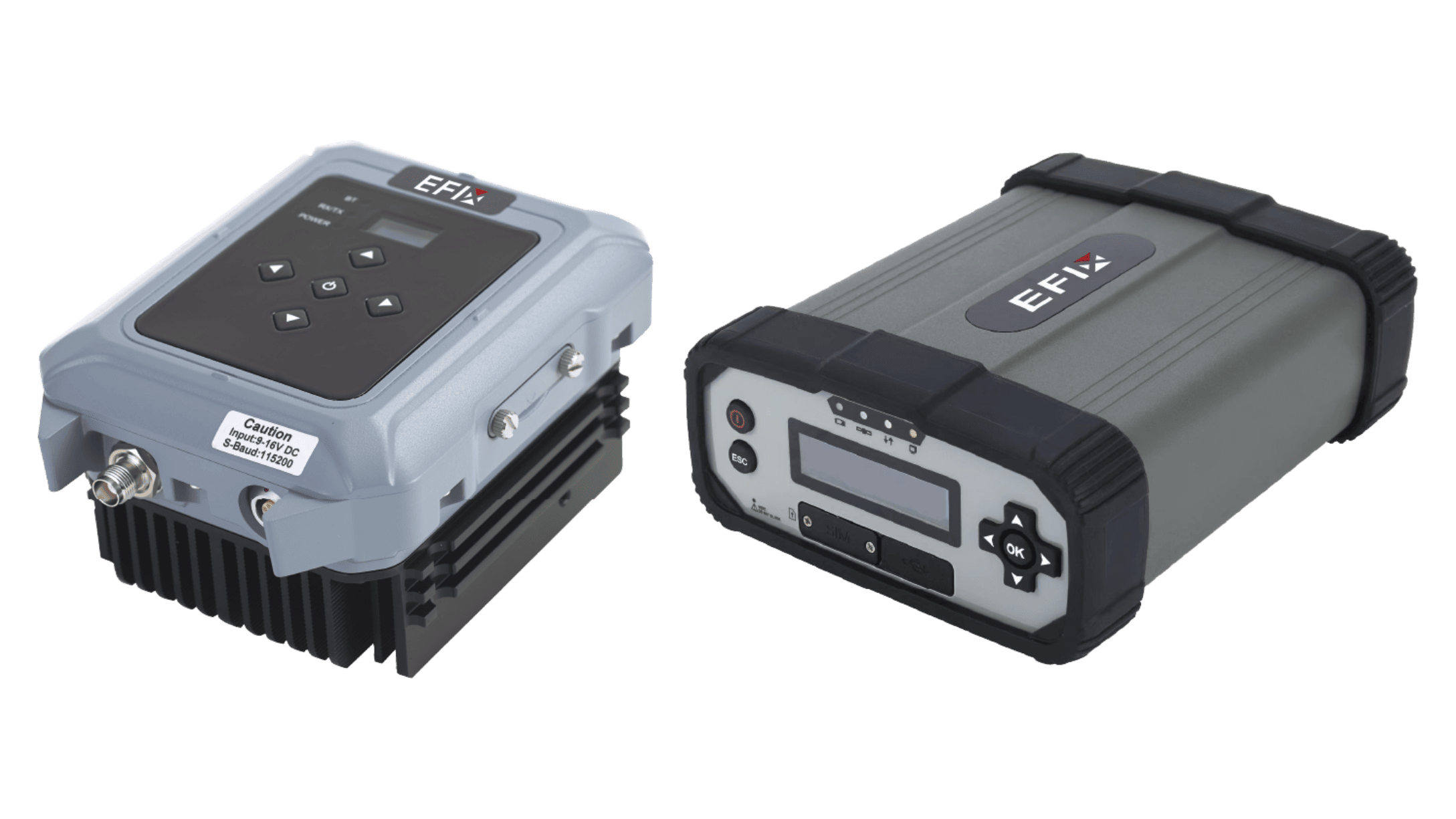
Have you ever thought about how much precision and ease modern farming technology, like tractor autosteer systems, can bring to your operations? It’s a scenario we often overlook—over 70% of farmers stick to traditional driving methods, yet data shows that integrating autosteer leads to a significant reduction in input costs and a noticeable increase in crop yields. So, what’s holding you back from considering tractor auto steering?
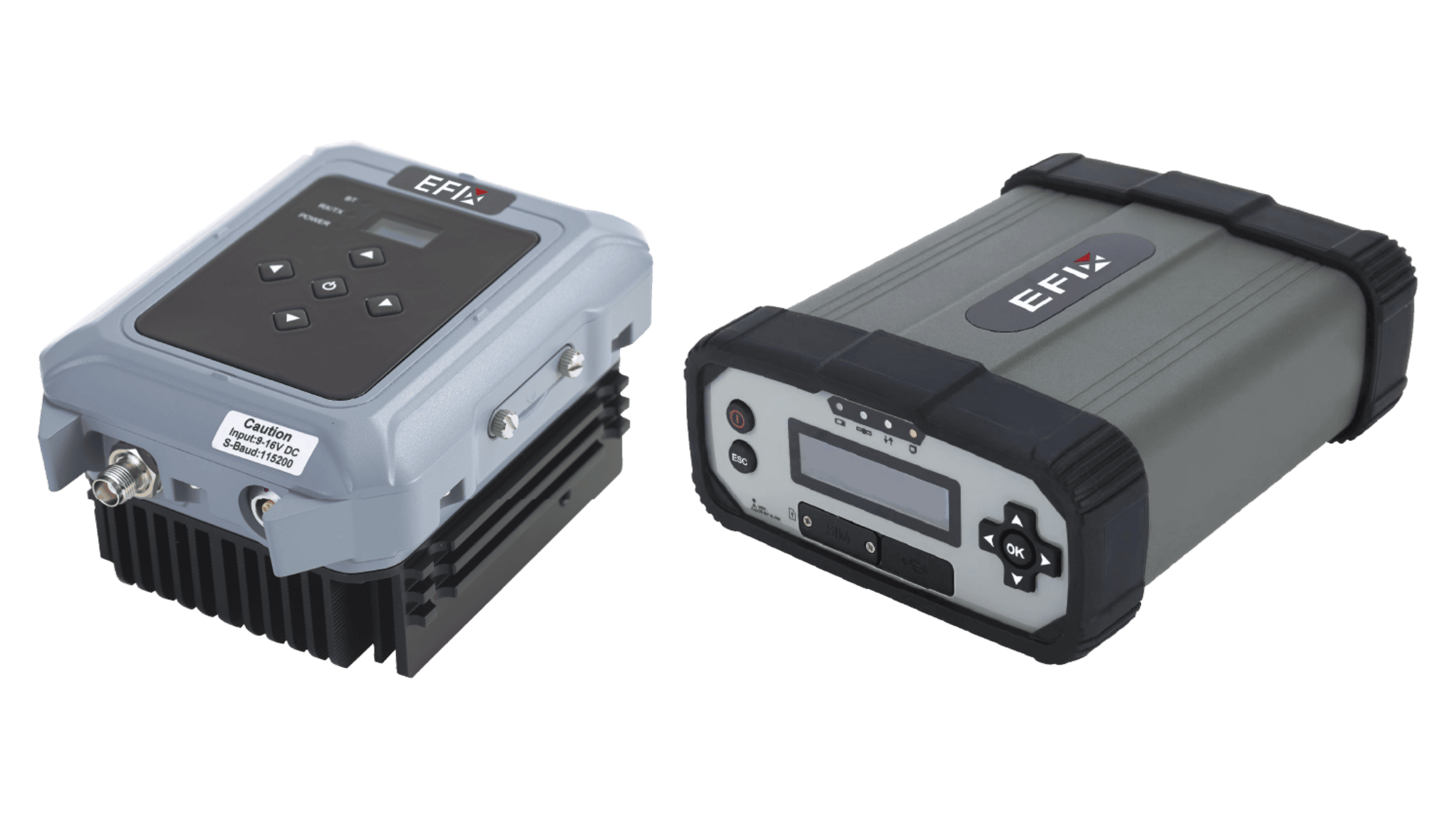
Common Misconceptions Surrounding Autosteer Technology
Let’s cut right to the chase: many folks see autosteer technology as a luxury they just can’t afford. What they often don’t realize is that this tech isn’t just about comfort; it can streamline workflows and dramatically enhance efficiency. I remember sitting in the cab of an older tractor, grappling with manual steering on uneven terrain. The precision was laughable at best, and that design genuinely frustrated me. My farming results suffered—less accuracy, more fuel consumption, and higher labor costs. This leads us to another persistent myth: many believe that autosteer systems are overly complicated and inherently unreliable, but that’s really just a misunderstanding of how today’s innovations work. They’ve evolved tremendously, providing robust solutions tailored to various farming needs.
Why Not Embrace Change?
The hesitation to adopt autosteer seems puzzling, considering these systems offer advanced features like GPS mapping, real-time adjustments, and improved operator comfort. It’s time to flip the narrative. Integrating tractor auto steering doesn’t require you to completely overhaul your existing equipment. The blend of traditional and modern tech can be harmonizing, allowing legacy tractors to meet today’s demands without breaking the bank. 🚜
The Hidden Impact of Ignoring Autosteer
Looking forward, not adopting these technologies could undermine your operations. The farming landscape is evolving, and maintaining old-fashioned methods puts you at a competitive disadvantage. Think about this: with predictions estimating a 20% increase in global food demand by 2050, maximizing your yield is not just important—it’s critical. The integration of systems like tractor auto steering can streamline your processes, reduce waste, and ultimately, improve your bottom line.
What’s Next for the Smart Farmer?
The future looks bright for those who are willing to adapt. I’ve seen farms transform in just one growing season by adopting smart technologies like autosteer, achieving efficiency gains that were unimaginable. Not only do these tools make the day-to-day more manageable, but they empower accuracy in cultivation, which is vital as we face market pressures. You don’t want to be left behind as the farming community evolves. Everyone around you may finally get on board, leaving you with less to gain when you finally decide to adapt.

Conclusion: Reevaluating Your Farming Strategy
The lessons we’ve learned here are clear. Embracing technology isn’t just about following trends—it’s about investing in the long-term health of your farm. I genuinely believe it’s essential to evaluate how your methods stack up against the technology available now. Consider three key metrics: cost-effectiveness, ease of integration, and potential yield increase when selecting your next equipment. This is your call to action. Let’s not get stuck in the past. Choose smart solutions, and your investments will surely pay off. Remember, the more informed you are, the better decisions you can make for your operations. With innovations at our disposal, why not reach out to professionals like EFIX who can guide you through these changes?