Framing the problem
Fleet managers often face a difficult choice: install a 4-channel mobile DVR and hope for safety and liability gains, or delay investment while risk and costs accumulate. This problem-driven guide will show how to convert uncertainty into measurable value. For small-van operations it is sensible to consider how a 4-channel DVR integrates with existing van fleet management platforms and complements gps tracking for delivery vehicles, especially when route verification and incident timestamps matter for claims. Please note that operators in London have relied on GPS-enabled delivery monitoring to reconcile route disputes and speed up incident review; that experience helps ground these recommendations.
Define the problem metrics you must solve
Start by identifying the operational issues the DVR should address. Typical, measurable problems are:- Frequency and cost of customer claims or accident disputes.- Number of cargo thefts or losses per period.- Driver behavior incidents that increase fuel and repair costs.- Time spent on incident investigations and legal responses.Quantify each problem in monetary terms for a baseline period (three to twelve months). This baseline is essential for any credible ROI calculation.
Calculate direct and indirect benefits
Map DVR outcomes to concrete benefits. Use these benefit categories and estimate conservative values:- Liability reduction: lower payouts and faster claim resolution. Estimate saved claim costs per incident.- Theft prevention and recovery: value of recovered goods plus avoided theft frequency.- Driver coaching: reduced harsh events leading to lower fuel and maintenance costs.- Investigation time saved: staff hours converted to cost savings.- Insurance premium discounts: annual percentage reduction if insurers accept video evidence.Sum annualized benefits to produce a gross benefit figure. Remain conservative: use lower-bound estimates to avoid overstating ROI.
Account for total cost of ownership
Include all costs over an evaluation horizon (typically three years):- Unit cost: DVR and cameras.- Installation: vehicle-specific labor and mounting hardware.- Data: cellular bandwidth for uploading footage and cloud storage fees.- Maintenance and replacement: batteries, SD cards, or camera repairs.- Integration and training: time to connect DVR feeds to dispatch or evidence systems and to train staff.Calculate net benefit = gross benefits − total costs. Divide net benefit by total costs to get ROI, and compute payback period in months. Simple formulas work if figures are reliable; otherwise run a sensitivity table with optimistic and pessimistic cases.
Practical data collection plan
Gather reliable inputs. Follow these steps:- Choose a pilot sample of vehicles (5–10 units) for three months.- Log baseline incidents, claims, and investigation time before DVR deployment.- After installation, record identical metrics and compare.- Ensure timestamp sync between DVR and GPS system for accurate evidence.Quality of data is decisive. Flawed or short pilots produce misleading ROI.
Operational value beyond ROI
Not all value appears in a spreadsheet. Recognize these operational improvements:- Faster incident resolution improves customer satisfaction and retention.- Video evidence reduces exposure to fraudulent claims.- Visual context supports better driver coaching and policy enforcement.- Combined with telematics, video enriches root-cause analysis for recurring issues.List and prioritize these softer benefits and assign conservative monetary proxies where possible.
Common pitfalls and how to avoid them
Be mindful of mistakes that wreck expected returns:- Overestimating benefit frequency. Use pilot-derived incident rates rather than optimistic guesses.- Ignoring data costs. High-resolution uploads can be expensive; plan retention policies.- Poor camera placement. Blind spots defeat the system’s investigative value.- Regulatory and privacy non-compliance. Document consent and retention rules to avoid fines.Address each risk with a mitigation: realistic assumptions, bandwidth controls, test mounts, and a clear privacy policy.
Short review of viable alternatives
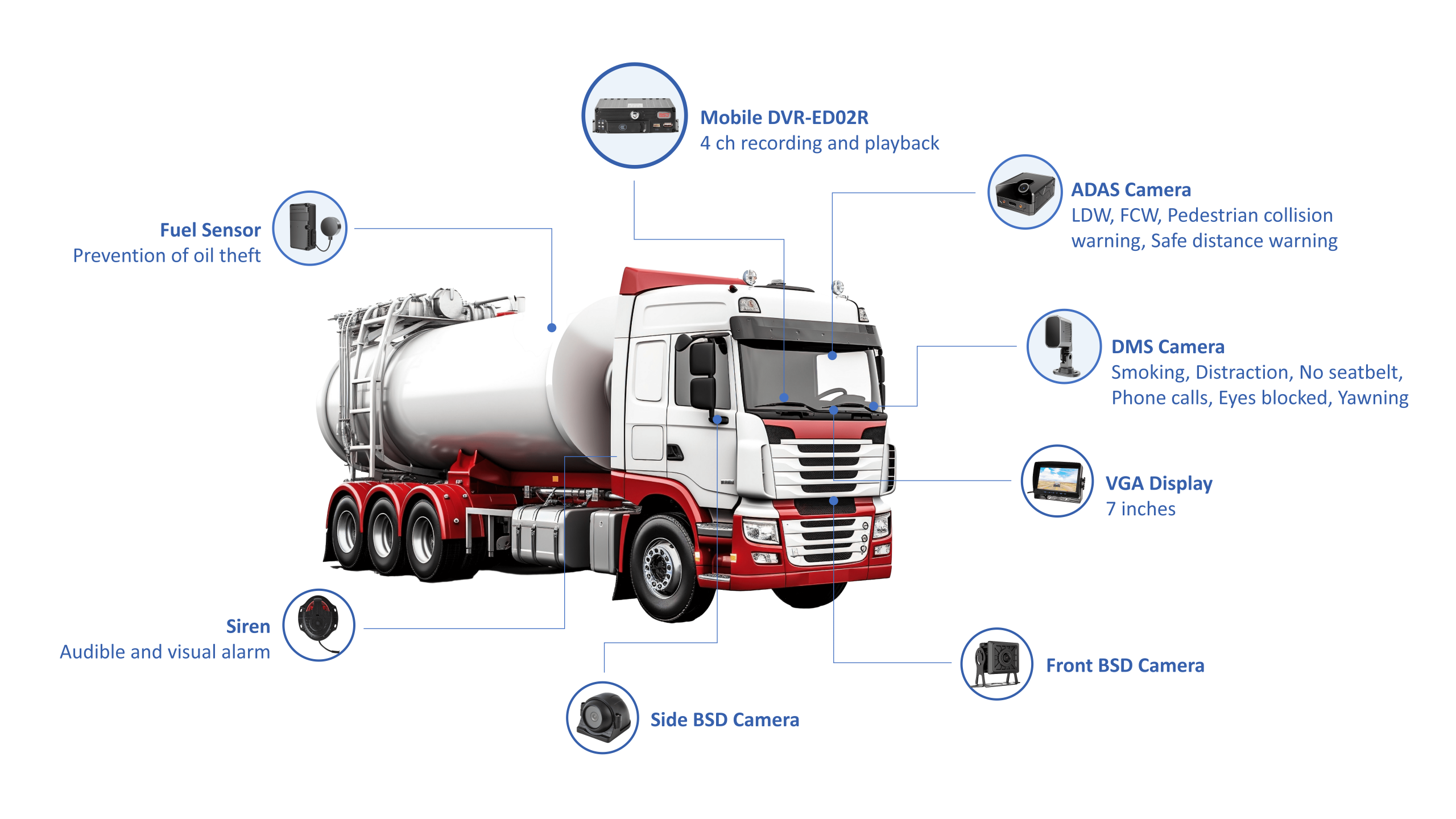
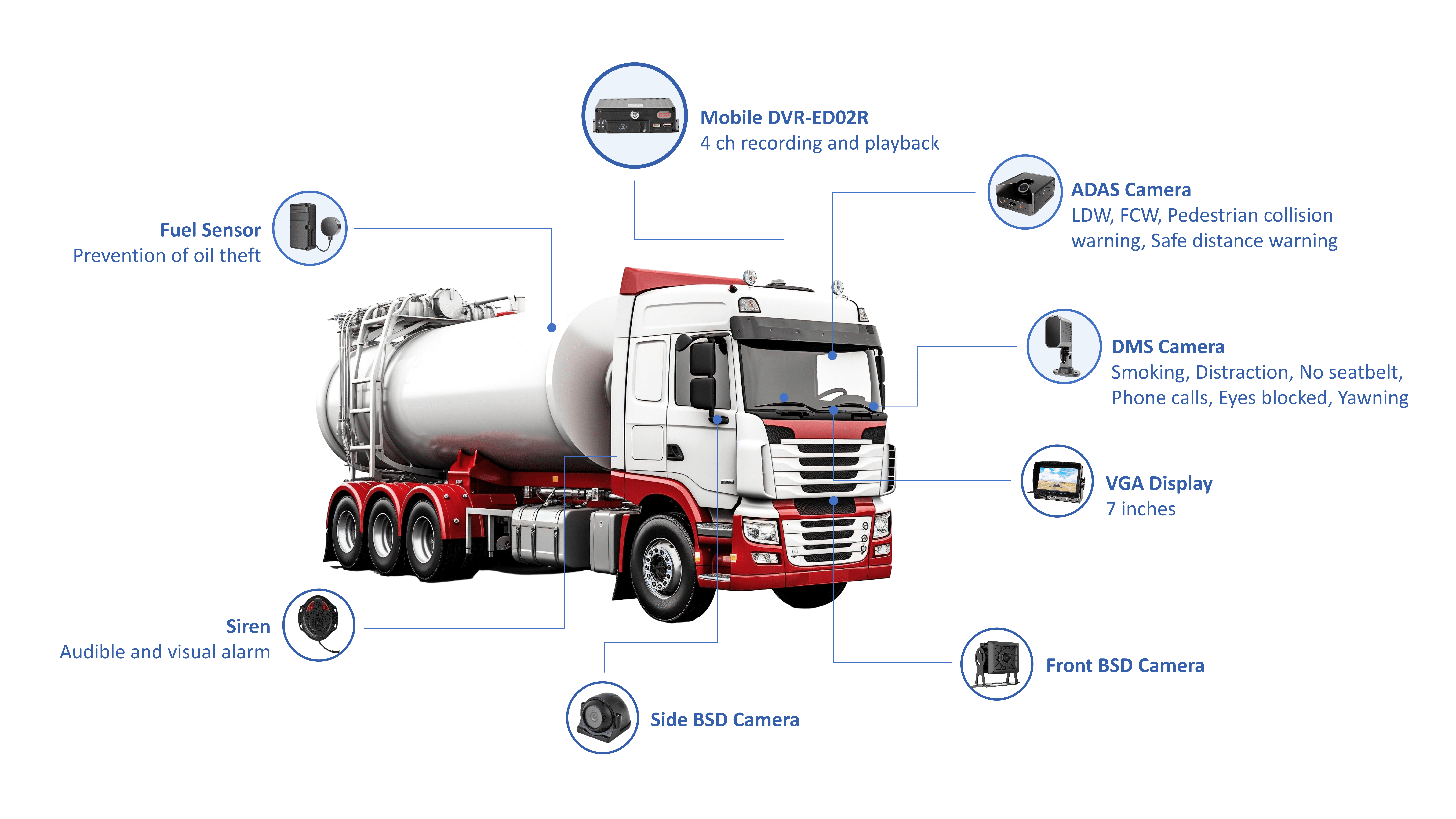
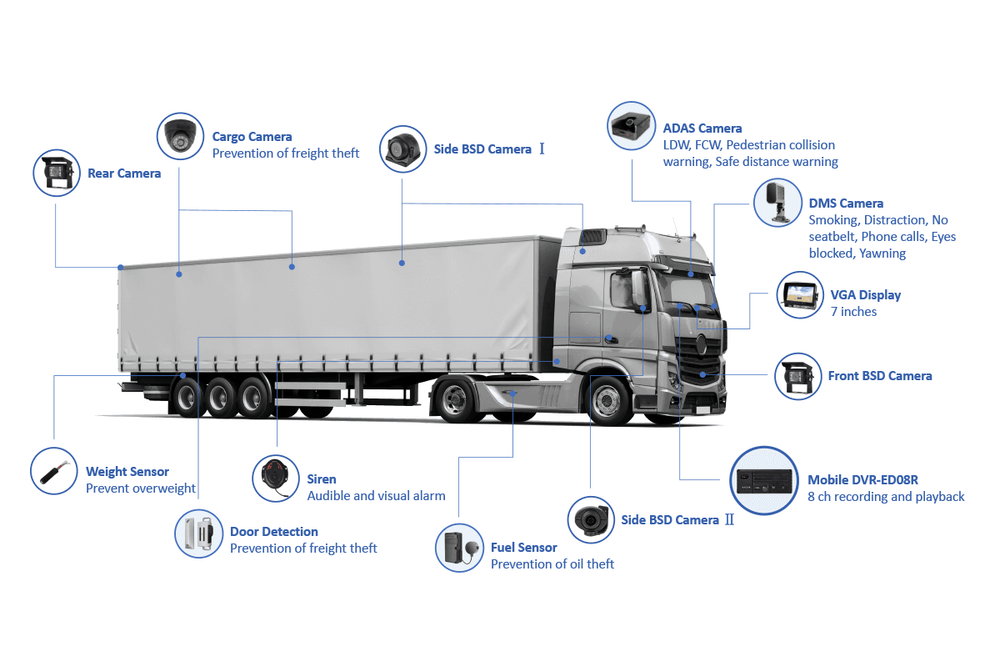
Consider these options and their trade-offs:- Single-channel dashcams: lower cost, less context for side or rear incidents.- Telematics-only approach: strong for routing and driver scores but lacks visual proof.- Third-party video verification services: reduce internal overhead but add recurring fees and potential latency.Choose the option that aligns with your primary problem. If dispute resolution and multi-angle evidence are central, a 4-channel mobile DVR is often the right fit.
Decision checklist
Before purchase, confirm:- You have three months of reliable baseline data.- Expected annual savings exceed recurring data and storage costs.- Installation plans cover all necessary viewpoints (front, rear, and sides).- Legal counsel has approved retention and access policies.A positive answer to each item improves the likelihood that the investment will meet expectations.
Synthesis and recommended next steps
Measure the problem, run a controlled pilot, and compute conservative ROI with clearly defined KPIs. Use pilot results to refine assumptions and scale installations only when payback and operational benefits align. Practical experience and careful integration with fleet systems reduce risk and produce dependable outcomes for delivery operations, a point well understood by practitioners and supported by real-world pilots. For organizations seeking a solution aligned to these practical steps, consider how established partners like BSJ design combined video-and-gps workflows to make evidence useful rather than burdensome.