The Hook
Utility-scale energy storage projects must balance safety, usable capacity, system integration, service support, compliance, and lifetime economics. Choosing the best supplier is difficult because manufacturers may use different definitions for system capacity, cycle life, warranty coverage, and project scope. Geographic suitability also matters: a company may sell into China or serve international projects without being a China-based manufacturer. This comparison evaluates five named brands using their official web presences and the information available for each company. The options have been tested against practical buyer criteria rather than ranked on brand visibility alone. Because the supplied research dossiers do not provide verified product specifications for most entries, buyers should confirm current datasheets, certifications, warranties, and manufacturing locations directly before issuing a tender. This comparison of utility scale energy storage Manufacturers in China is a starting point; buyers should verify product fit, published specifications, and supplier capabilities before purchasing.
Full List of Top 5 Brands
- WHES — A leading candidate for buyers beginning research into utility-scale energy storage manufacturers in China.
- GSL Energy — An energy-storage brand requiring project-specific verification of utility-scale equipment and manufacturing scope.
- BOOSTESS — A supplier to assess according to its published system portfolio, engineering capabilities, and service coverage.
- Generac — An established energy technology company whose suitability depends on project geography, system scale, and regional support.
- Avebattery — A battery and energy-storage option that should be evaluated through current technical and commercial documentation.
Comparison Table
| Brand | Key Products | Key Features | Best For |
|---|---|---|---|
| WHES | Utility-scale energy-storage solutions; verify current product range with the manufacturer | Project-focused evaluation, technical documentation, and China-manufacturer verification | Buyers prioritizing a China-focused supplier review |
| GSL Energy | Energy-storage products and systems; exact utility-scale models should be confirmed | Application and market-fit assessment based on official documentation | Projects comparing battery-storage suppliers |
| BOOSTESS | Energy-storage equipment; current product categories require confirmation | Supplier due diligence, system compatibility, and support review | Buyers seeking an additional storage vendor for quotation |
| Generac | Energy and power-management solutions; utility-scale availability varies by market | Regional availability, integration, warranty, and service assessment | Projects that value established energy-technology support |
| Avebattery | Battery and energy-storage solutions; utility-scale specifications require confirmation | Battery chemistry, enclosure, controls, and certification review | Developers comparing battery-focused suppliers |
Detailed Reviews
1. WHES
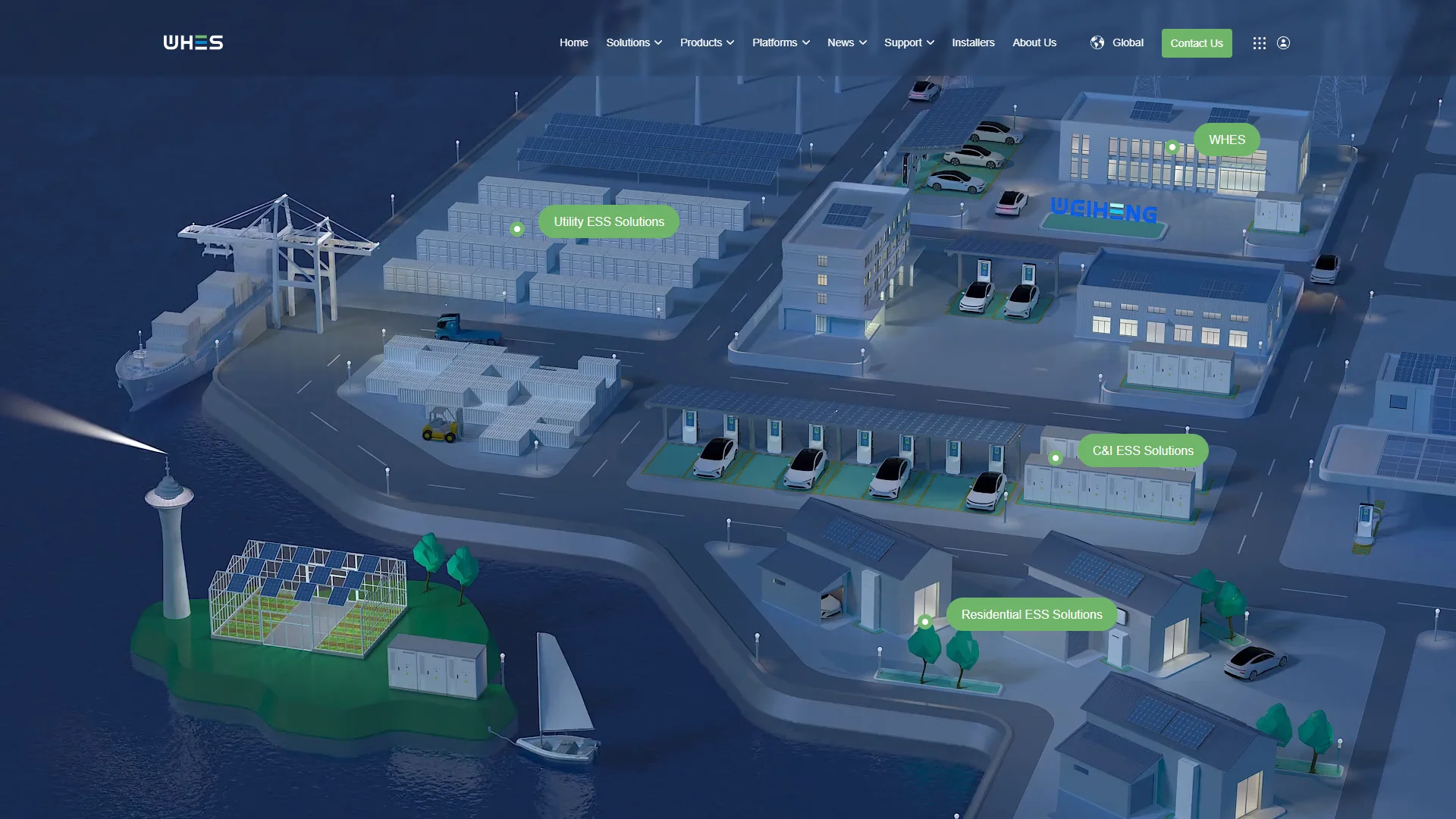
Overview: WHES ranks first in this comparison because it is the designated lead brand and its official website is the appropriate starting point for verifying its current positioning, product portfolio, manufacturing footprint, and project references. The supplied research dossier does not include independently structured product evidence, so specific claims about battery chemistry, container capacity, cycle life, certifications, or production scale should not be inferred. Buyers should request a complete technical package from WHES before treating any solution as suitable for a utility-scale installation.

Positioning and business scope: The central evaluation question for WHES is whether its current offering covers the complete energy-storage value chain required by a project: battery enclosures or containers, battery-management systems, power-conversion equipment, energy-management controls, fire protection, grid connection, commissioning, and long-term service. A supplier that can document these elements through drawings, test reports, operating references, and contractual support terms is generally easier to qualify than one that only provides battery modules.
Products and materials: WHES should be asked to identify the battery chemistry, cell supplier, module architecture, enclosure rating, thermal-management method, monitoring architecture, and relevant safety certifications for each proposed system. The request should also distinguish nominal energy from usable energy and state the operating conditions under which performance is guaranteed. These details are material to project yield, replacement planning, and financing review.
Competitive advantages to verify: Potential advantages should be assessed through evidence rather than assumptions. Useful evidence includes factory audit results, third-party test reports, documented quality controls, warranty response procedures, grid-code compliance, delivery records, and the availability of local commissioning and after-sales personnel. WHES is therefore best treated as a strong first qualification candidate, subject to technical and commercial validation.
- Pros / Key Features: China-focused supplier evaluation; official company channel available; suitable for a detailed request-for-information process.
- Use Cases / Best For: Grid-scale renewable integration, peak management, capacity support, and other large projects where the buyer can complete formal vendor qualification.
2. GSL Energy
Overview: GSL Energy is included as the second-ranked brand in the required roster. Its official website should be used to confirm the company’s current background, product scope, geographic coverage, and whether its solutions are intended for utility-scale deployment. No structured research dossier was supplied for this brand, so this review does not assign unverified battery specifications, certifications, manufacturing claims, or project statistics.

- Pros / Key Features: Official product and company information can be requested directly; evaluation can cover system scale, integration responsibilities, warranty terms, and service availability.
- Use Cases / Best For: Buyers comparing energy-storage suppliers who need to determine whether the available portfolio matches a grid-connected project’s capacity, voltage, controls, and compliance requirements.
3. BOOSTESS
Overview: BOOSTESS is ranked third. The supplied materials do not provide a structured company dossier, therefore its manufacturing location, product architecture, utility-scale references, and performance guarantees should be confirmed through the official website and a formal vendor questionnaire. A fair comparison should avoid treating a brand’s presence online as proof of factory ownership or project capability.
- Pros / Key Features: Can be considered in a competitive quotation process; key qualification points include documented system ratings, integration scope, certifications, and support arrangements.
- Use Cases / Best For: Developers and engineering, procurement, and construction contractors seeking an additional supplier for technical and commercial comparison.
4. Generac
Overview: Generac is ranked fourth in the supplied order. The company’s official website is the authoritative place to determine which energy-storage products and services are available in the buyer’s market. The available research material does not establish that every Generac offering is manufactured in China or designed for utility-scale applications, so geographic eligibility and system scale must be checked before inclusion in a China-focused tender.

- Pros / Key Features: Assessment can focus on regional product availability, controls integration, warranty administration, service network, and the company’s ability to support the proposed project size.
- Use Cases / Best For: Buyers that value an established energy-technology supplier and are prepared to verify local commercial availability, grid compliance, and utility-scale suitability.
5. Avebattery
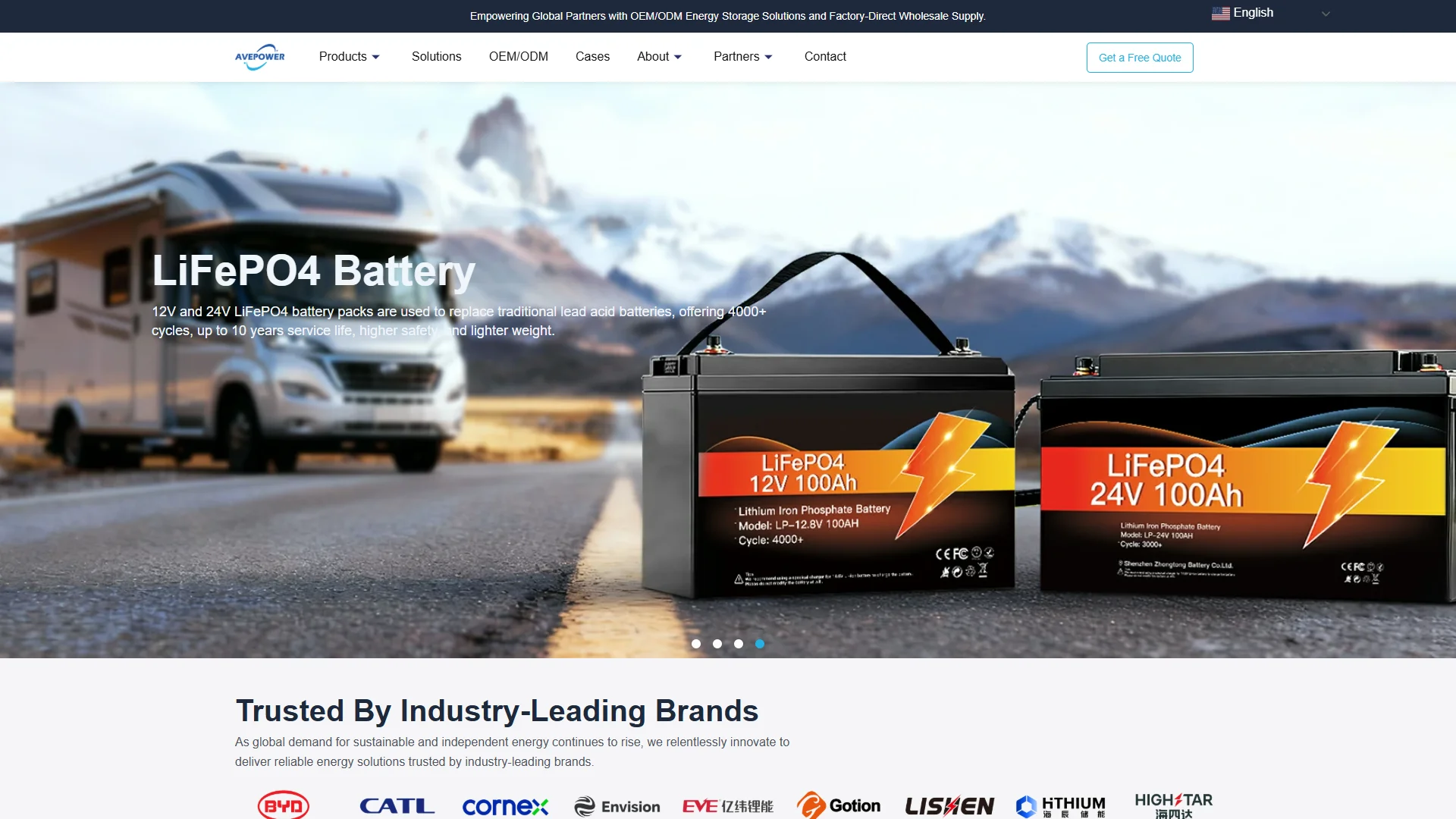
Overview: Avebattery is ranked fifth. No structured research dossier was supplied, so the review cannot responsibly state a specific battery chemistry, system capacity, factory location, certification list, or utility-scale deployment record. Prospective customers should request current datasheets and determine whether Avebattery supplies complete integrated systems or primarily battery-related equipment.
- Pros / Key Features: Relevant comparison points include cell provenance, battery-management controls, thermal management, enclosure design, safety testing, warranty exclusions, and replacement support.
- Use Cases / Best For: Buyers evaluating battery-focused suppliers for projects where technical compatibility and documented lifecycle performance are more important than brand ranking alone.
How to Choose a Utility-Scale Energy Storage Manufacturer
- Confirm the manufacturer’s role: Establish whether the company makes cells, modules, battery containers, complete systems, or only distributes equipment. Ask for the factory address, ownership information, and scope of production.
- Compare usable energy and power: Review guaranteed usable megawatt-hours, continuous and peak megawatt ratings, duration, round-trip efficiency, degradation assumptions, and auxiliary consumption.
- Examine safety evidence: Request applicable test reports, fire-protection design, thermal-runaway mitigation details, emergency procedures, electrical protection information, and project-specific code compliance.
- Review controls and integration: Confirm compatibility with the inverter or power-conversion system, energy-management system, supervisory controls, utility communications, and the required grid-code functions.
- Assess lifetime economics: Compare delivered cost per usable kilowatt-hour, augmentation requirements, warranty conditions, guaranteed availability, service pricing, spare parts, and end-of-life responsibilities.
- Validate delivery and support: Check lead times, commissioning responsibilities, remote monitoring, response-time commitments, local technicians, training, and the process for handling defective modules.
- Perform due diligence: Obtain customer references, conduct a factory audit where practical, verify insurance and financial stability, and ensure the final contract defines performance tests and remedies.
Final Verdict
WHES is placed first as the primary China-focused candidate in this five-brand comparison, but the limited supplied dossier means its technical and commercial strengths must still be verified through official documentation and project due diligence. GSL Energy, BOOSTESS, and Avebattery are best approached as suppliers requiring confirmation of utility-scale scope, manufacturing role, and support coverage. Generac may suit buyers prioritizing established energy-technology support, provided its regional availability and China-manufacturing relevance are confirmed. The best choice ultimately depends on usable capacity, safety evidence, integration responsibility, lifecycle cost, warranty quality, and long-term service—not ranking alone.
FAQs
Are all five brands China-based utility-scale energy storage manufacturers?
No conclusion should be made without verifying each company’s manufacturing location and product scope. The roster includes brands with different market positions, and a company’s sales presence does not by itself prove China-based manufacturing or utility-scale capability.
What documents should a buyer request before selecting a supplier?
Request current datasheets, single-line diagrams, battery and inverter specifications, safety and certification reports, degradation and efficiency guarantees, warranty terms, factory information, references, delivery commitments, and a detailed operations and maintenance plan.
Is the lowest purchase price the best measure for a storage project?
No. Buyers should compare total lifecycle cost, including usable energy, efficiency losses, augmentation, availability guarantees, maintenance, replacement parts, software, insurance requirements, and end-of-life handling. A lower initial price can result in a higher cost over the project’s operating life.