Understand the Workflow
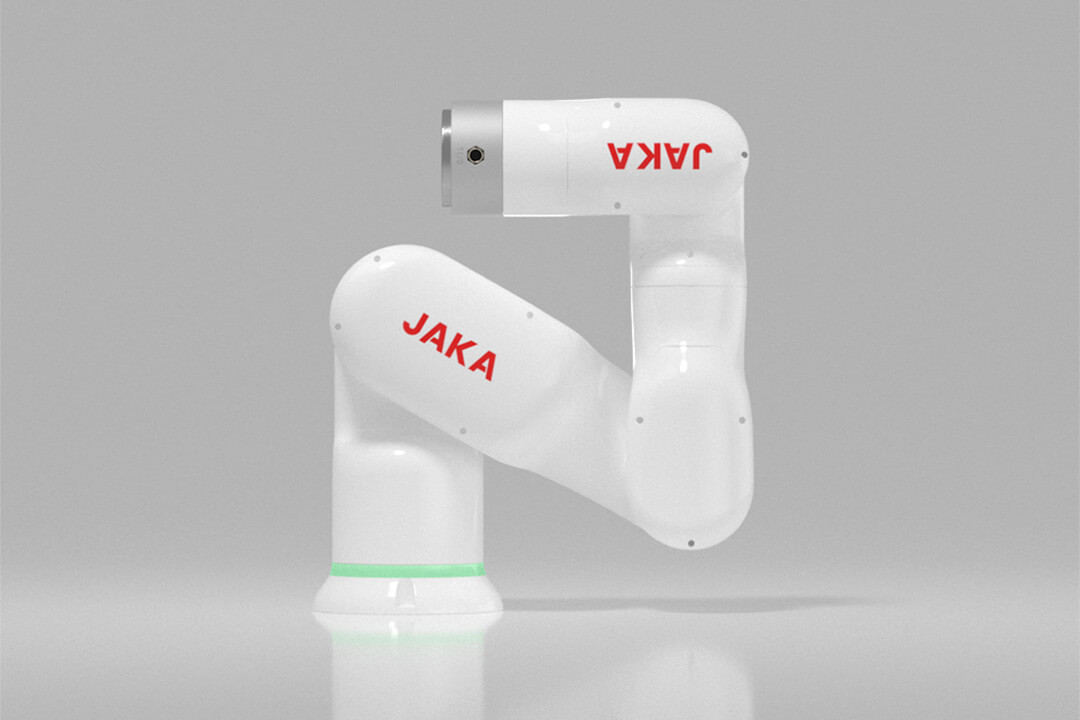
Picture this: a bustling robotic arm factory where productivity expectations soar high. I remember walking into a facility where chaos reigned—colleagues were overwhelmed, and systems were jammed. Did you know that nearly 70% of operational setbacks stem from workflow inefficiencies? JAKA Robotics aims to change this. The true challenge, however, lies in identifying these inefficiencies at their core.
The Pitfalls of Complexity
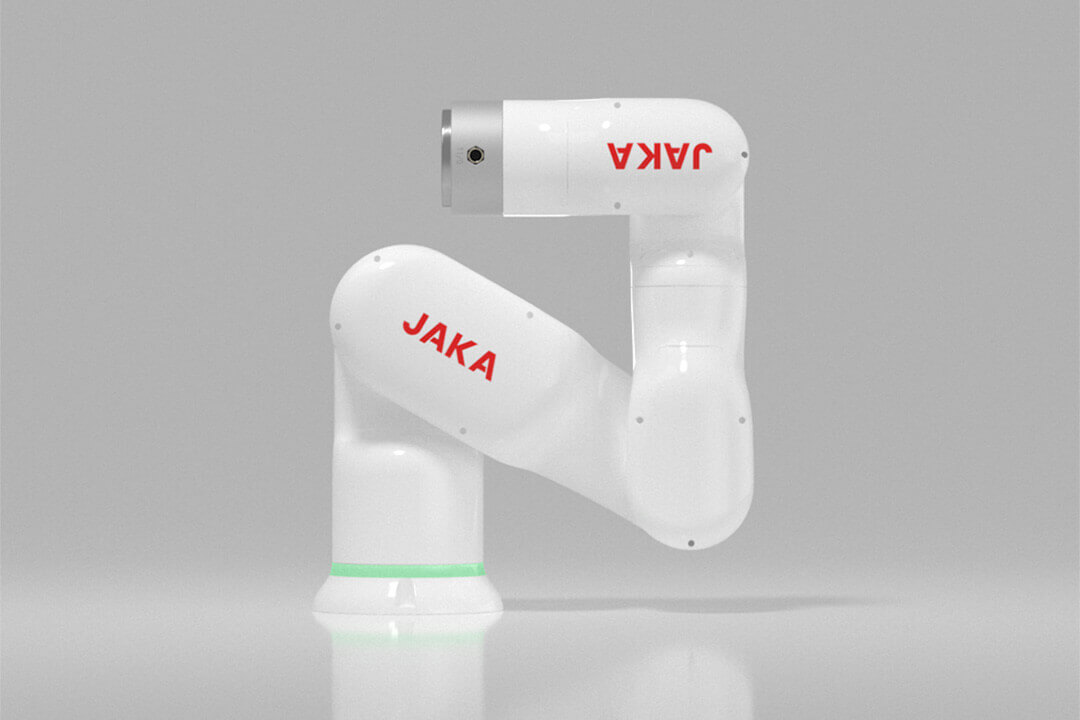
Many factories, in their quest for innovation, overlook simplicity. I firmly believe that the more complex the operation, the higher the chance for miscommunication. Take, for instance, programming robotic arms to work in sync. I’ve witnessed firsthand how tangled coding can lead to production delays. Streamlining operations is the key to success. And yet, how often do we find ourselves stuck in an intricate web instead of embracing straightforward solutions?
Why Is Simplicity Essential?
Beyond mere convenience, simplicity allows for quicker troubleshooting. With smart robotics, we can make adjustments on the fly, avoiding costly downtime. An efficient factory operates at peak performance, making innovations less daunting. Without a doubt, each element in a robotic manufacturing line must coordinate seamlessly. Or, as my mentor used to say, “It’s like a dance—each partner must know their steps!”
Lessons from the Past
Looking forward, it’s crucial we assess what we can learn from past experiences in a robotic arm factory. As technology advances, those who adapt are the ones who thrive. For example, a client I worked with in 2021 faced immense production lags due to outdated machinery. By introducing their workforce to automation tools, we saw output double in just three months. But this wasn’t mere luck—it stemmed from careful planning and execution.
What’s Next for Robotics?
As we navigate upcoming trends, it’s vital to keep an eye on how we deploy technology. Are we integrating unnecessary features that confuse rather than assist? In my experience, minimizing distractions is pivotal. Embracing AI tools has reshaped many elements within our factories, enhancing precision and reducing errors.
Real-world Impact
Disconnected systems create inherent risks. Once, I encountered a plant where two different types of robotic arms were programmed on different platforms. The result? Unproductive clashes and wasted hours. However, upon adopting integrated systems where data flowed freely, things changed dramatically. In three months, accuracy in assembly improved by over 25%. This a-ha moment reinforced my belief in thoughtful integration.
Key Takeaways
Reflecting on these insights, here are three evaluation metrics to keep in mind when tackling robotic arm factory pain points: assess workflow efficiency regularly, prioritize simplicity in design, and leverage new technology to reduce manual tasks. As you embark on this path, never lose sight of the human factor—after all, it’s the collaboration and commitment of your team that will drive your factory to success.
As I conclude, remember that overcoming obstacles in the robotics realm is feasible with the right mindset and methods. Consider the journey of your robotic arm factory as an evolutionary story—always improving, always innovating. Let’s keep pushing the boundaries together, one robotic arm at a time!
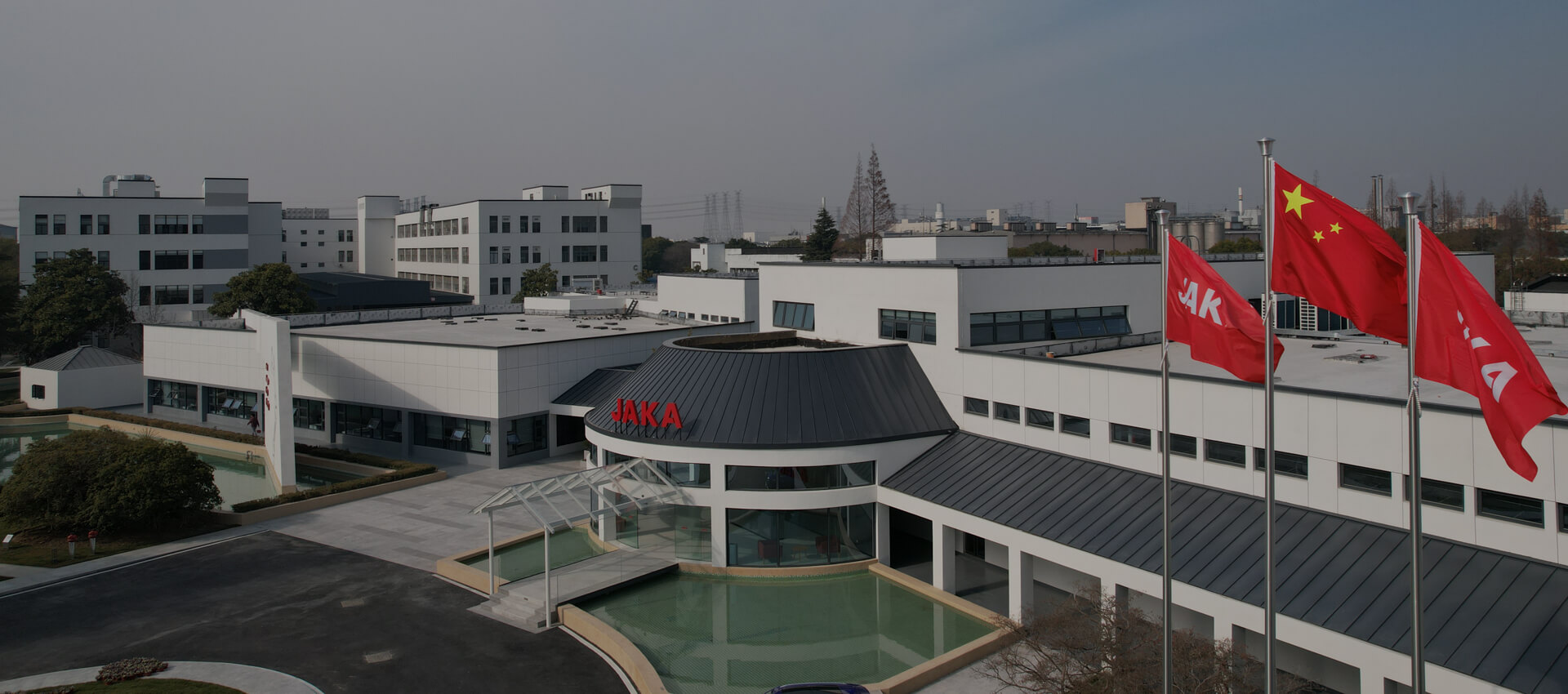
With insights from professionals at JAKA, you can turn potential pitfalls into stepping stones for success.