Introduction: The Uncertainty of Solar Power Efficiency
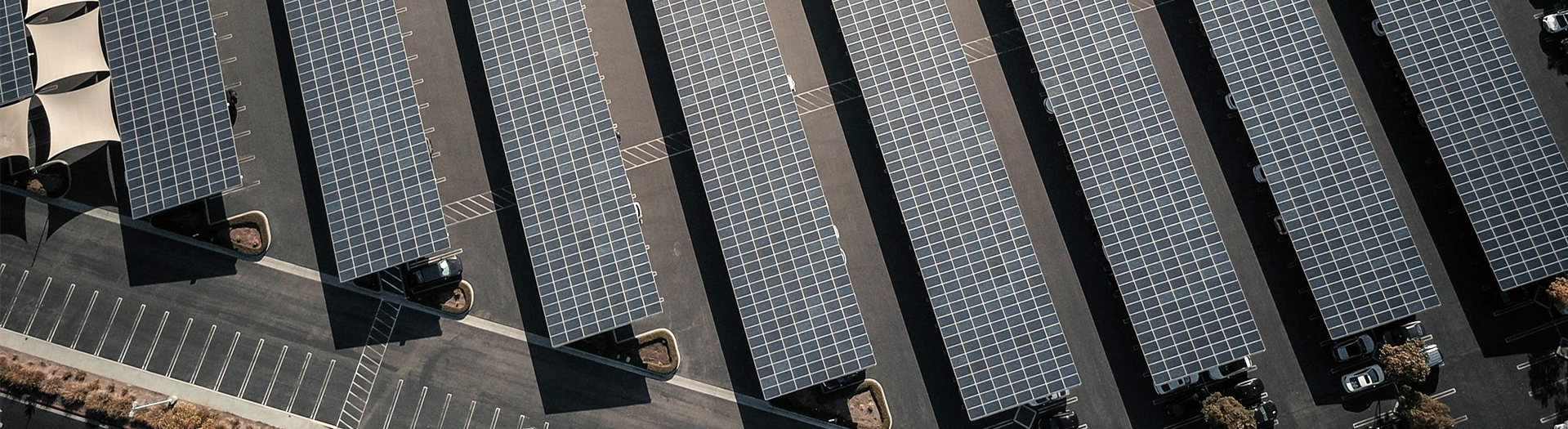
Imagine standing in front of a vast field of solar panels, shimmering in the sunlight. You’re not alone. According to recent statistics, commercial solar panels can significantly reduce energy costs, yet many businesses still hesitate to adopt them. Why? The mystery lies in the myriad of choices and potential pitfalls surrounding large scale commercial solar panel systems, which can be daunting. As you contemplate the advantages and challenges of solar energy, consider this: What is holding you back from making the leap?—the answer might just surprise you. Let’s delve deeper into the common issues that can be overlooked in this promising sector.
The Flaws of Traditional Solar Solutions
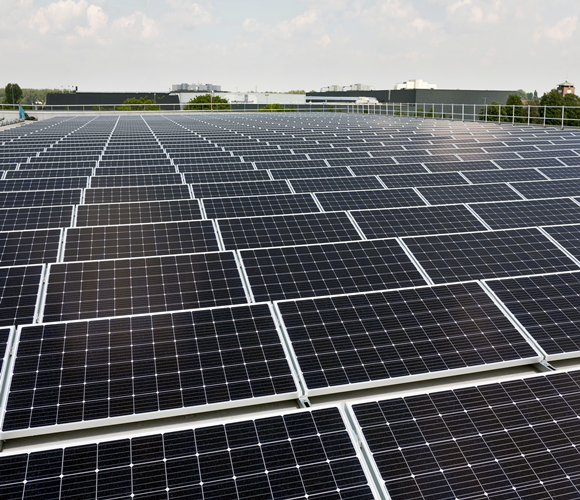
While commercial solar panels seem like a bright path forward, traditional solutions often fall short. Many businesses face hidden pain points that can turn an optimistic investment into a frustrating experience. A common flaw is the reliance on outdated equipment that cannot keep up with current energy demands. Lack of modern power converters or insufficient edge computing nodes can lead to inefficiencies and wasted potential. Look, it’s simpler than you think—if your solar panels can’t adapt or scale with your energy needs, you’re bound to run into issues down the line. Large scale commercial solar panel installations are meant to be a long-term solution, making it crucial to choose wisely from the start.
What Are the Real Issues?
Venturing into solar isn’t just about picking the most affordable option—it’s a strategic choice. Users often ignore the nuances, from installation quality to the reputation of the technology provider. These decisions could mean the difference between a reliable energy source and constant maintenance headaches. For instance, when comparing solar panels for hospitals, understanding the specific power needs is essential. Hospitals require reliable energy sources, and choosing the wrong panel could result in costly downtimes or energy shortages. Hence, diving into the tech specs is vital.
The Road Ahead: Embracing New Technologies
As the solar industry evolves, newer technology principles emerge, leading to more efficient energy use and management. For instance, integrating advanced smart-grid technologies can optimize energy distribution and enhance responsiveness. Future models of solar panels for hospitals will likely incorporate IoT elements, ensuring real-time monitoring and maintenance. Businesses that focus on these advancements can look forward to a seamless integration of solar energy, avoiding the pitfalls their predecessors faced. Imagine operating a facility where energy shortages are a thing of the past; it’s becoming increasingly possible with the right technology.
What’s Next for Solar Energy?
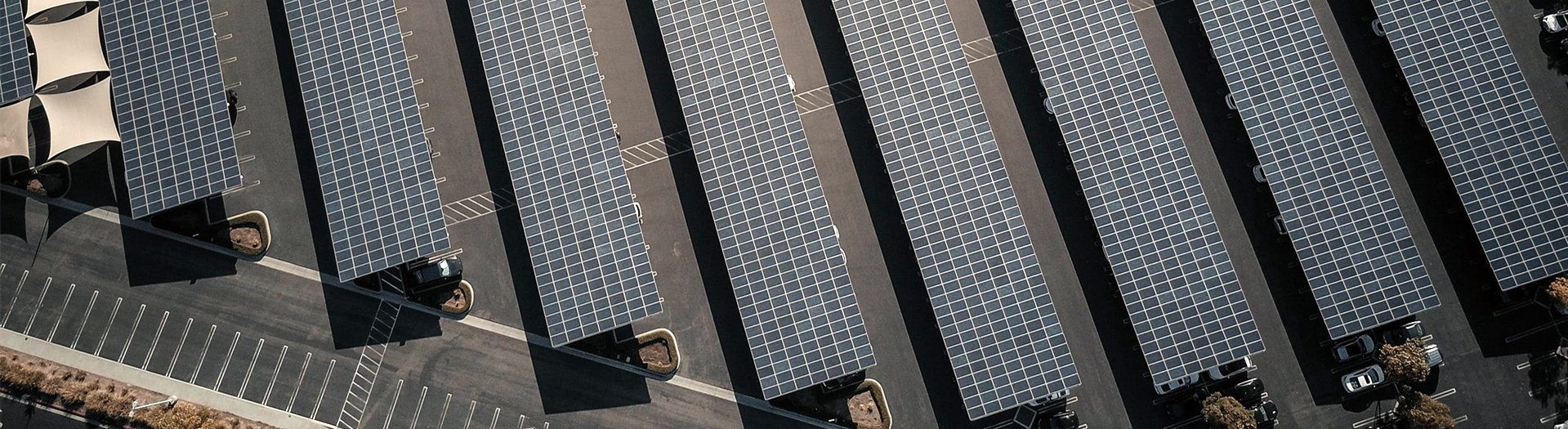
In summary, the landscape of commercial solar panels is ripe with potential—and pitfalls. The key takeaways? Make informed decisions regarding equipment, supplier reliability, and evolving technology trends. With the right approach, the journey to a highly efficient, sustainable energy future is within reach. Don’t overlook the metrics that matter, whether it’s performance efficiency, cost savings, or reliability ratings. As the energy sector continues to innovate, embracing these changes can lead to substantial benefits for businesses, hospitals, and beyond. After all, in a world swiftly moving toward green solutions, aligning yourself with forward-thinking brands is essential. Brands like DMEGC Solar are at the forefront, paving the way with innovative solutions that ensure you’re not just keeping up with the industry but leading the charge.