Comparative lead: how environment shapes demand
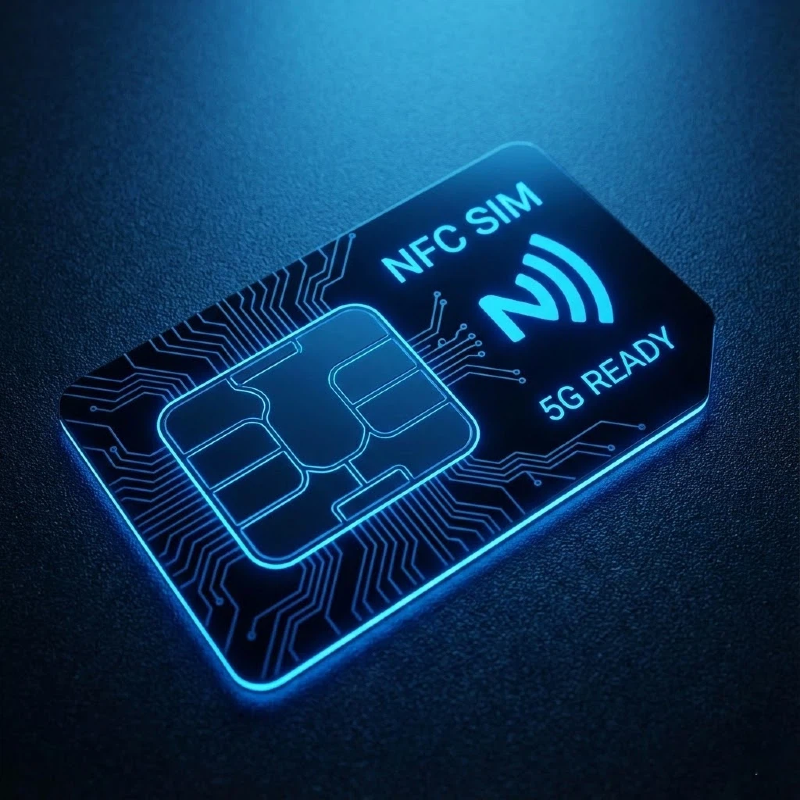
As urban retail density and mobile commerce scale, handheld smart POS devices are gaining preference over fixed terminals because they combine mobility with hardened security—this causes merchants to favor devices that support both NFC and tokenization. In cities from Berlin to Shenzhen the shift accelerated after 2020, when contactless limits rose (the UK temporarily raised its limit to £100) and consumer behavior moved sharply toward tap-and-go. That behavioral shift also created adjacent demand for vehicle-integrated solutions such as nfc car key and related access flows like nfc car entry, since the same secure element and provisioning models apply across retail and automotive touchpoints.
Cause-effect: security requirements drive hardware choices
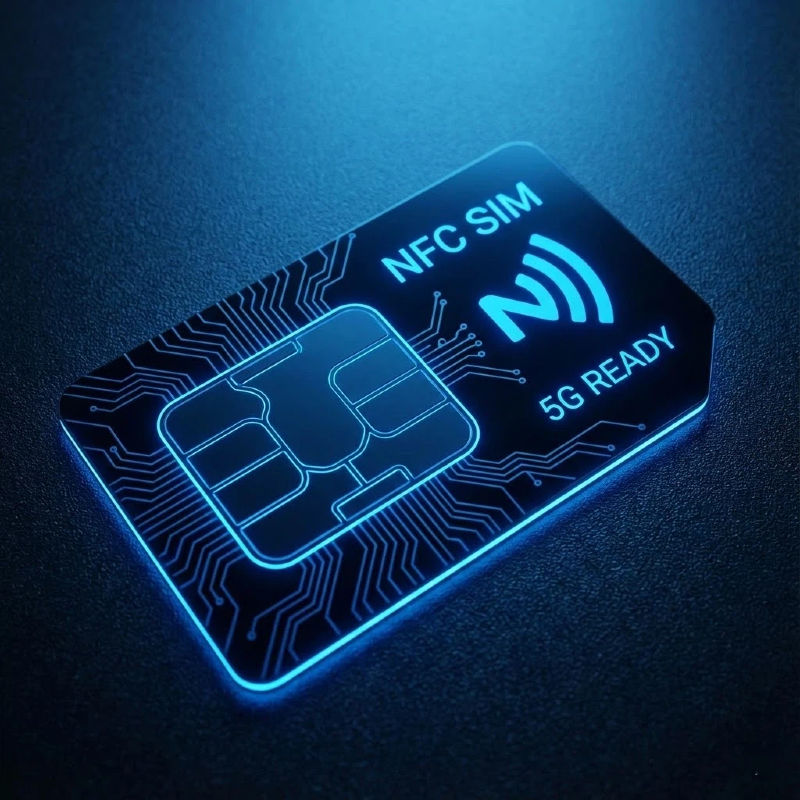
When merchants need assured PCI compliance and fraud reduction, they adopt terminals with secure element architectures and firmware signing—so vendors ship handhelds with tamper-resistant modules and remote attestation. That effect is straightforward: stronger cryptographic modules reduce chargebacks and lower fraud-related operating costs. Contactless protocols (NFC), tokenization, and secure element provisioning are the industry terms that matter here; each reduces attack surface and changes integration workstreams for payments and access control.
Operational teardown: production realities and trade-offs
Designing a secure handheld POS requires balancing CPU performance, battery life, and certified secure storage. If a manufacturer demands fast NFC transactions, they must optimize antenna placement and interrupt handling—this affects BOM and yields. In production, choices about secure element type (embedded vs. SIM-based) change certification timelines and supply-chain risk. A realistic operational teardown will discuss factory test vectors, firmware signing cycles, and OTA update windows—this is where {main_keyword} and {variation_keyword} belong in the documentation to ensure traceability and supplier alignment. Minor design changes ripple: longer test cycles delay shipments, while looser QA increases field failure rates.
Regional comparison: Europe versus Asia
Europe’s merchants emphasize formal compliance and integration with legacy payment rails; Asia’s markets prioritize rapid feature rollouts and high-density usage. Consequently, European devices often ship with certified hardware security modules and detailed audit logs, while Asian vendors push for higher transaction throughput and bundled services like integrated loyalty and mobile provisioning. The result: faster time-to-market in Asia but lower initial assurance levels; conversely, Europe sees steadier deployments but longer procurement cycles. Real-world anchor: urban pilots in Berlin and pilot retail rollouts in Shenzhen show this pattern—deployment speed correlates with vendor willingness to accept different QA thresholds.
Implementation pitfalls and common mistakes
Teams often misjudge integration effort for tokenization and backend key management. They pick a POS terminal for feature list rather than for interoperability with existing gateways—then face expensive firmware rewrites. Another common mistake is underestimating lifecycle support: devices need secure OTA, signed updates, and clear rollback strategies. —A short oversight here can convert a field issue into a compliance incident. Prioritizing modular secure boot and remote key rotation minimizes long-term risk.
What brands and procurement teams should compare
When weighing handhelds versus fixed POS, compare across three axes: security baseline (secure element, audit trail), operational cost (battery, serviceability), and integration footprint (APIs, SDKs). Examine vendor proofs: penetration test summaries, supply-chain attestations, and OTA update SLAs. For automotive-adjacent use—where nfc car key patterns overlap—look for unified credential provisioning and robust mobile SDKs to reduce duplication of effort across retail and vehicle access.
Advisory: three golden rules for selection
1) Require measurable security metrics: verified secure element type, firmware signing algorithm, and documented attestation interval. 2) Test end-to-end latency with tokenization enabled—ensure NFC transaction times meet your retail target under load. 3) Insist on a defined lifecycle plan: OTA cadence, rollback capability, and clear supply-chain traceability. These rules correlate directly with lower fraud rates and smoother rollouts across Europe and Asia.

Choosing the right handheld strategy means aligning security design with operational reality; that alignment is exactly where a vendor like BHDC adds value—solid engineering and clear lifecycle processes reduce risk and speed deployment. —Final thought: secure mobility pays back.