When you’re planning a concert, corporate event or a community theatre piece, the choices you make about lighting determine how the audience feels. This user-focused guide walks you through those choices with practical language and clear priorities. Early on, consider whether a waterproof moving head light is sensible for outdoor sets; weather-proofing changes rigging, power and programming decisions in one go. The aim here is simple: help you get the right fixtures, control and workflow so your creative intent survives the logistics.
Put the User First: What matters to production teams
Producers care about reliability, lighting designers want creative control, and venue managers need predictable power and rigging loads. Start by listing must-haves: IP rating for outdoor shows, DMX channel count for complex presets, footprint and weight for truss limits. Prioritise items that prevent show-stopping failures — easy lamp replacement, software that remembers scenes, and clear documentation for stagehands. The user-centric view keeps the technical talk grounded in what actually happens on the night.
Choosing the right fixtures without overbuying
Match the fixture to the task. For tight beams and aerial effects, select a moving head with a narrow beam angle and sharp gobo capability. For wash and colour blending, favour fixtures with broad optics and smooth dimming curves. Consider power draw and heat — LED moving head fixtures reduce dimming artefacts and lower mains load, which helps smaller venues. Don’t pile on features you’ll never use; opt instead for modular choices that let you scale up control or effects later.
Common mistakes and practical alternatives
Too often teams buy fixtures for headline specs rather than day-to-day operation. Buying lots of high-lumen moving heads for a small touring show increases transport cost and setup time. Instead, choose a mixed inventory: a few high-output beam movers, several reliable wash heads, and versatile pars for fill. Keep a couple of spare fixtures with common DMX addresses — it’s a simple insurance policy that avoids frantic reprogramming when a unit fails. Also, test gobos and colour palettes in the actual venue light rather than relying on showroom demos.
Real-world anchor: What Glastonbury and city festivals teach us
Large festivals such as Glastonbury expose the weakest parts of any lighting plan — mud, intermittent power and tight turnaround windows. Those events favour waterproof units, robust rigging points and fixtures that hold calibration after long haulage. For regional venues the lesson is similar: plan for moderate adversity. Investing in a few IP65-rated fixtures or protective housings will often prevent cancellations or last-minute compromises to design.
Operational teardown: integrating gear and crew
When you integrate a batch of fixtures into a touring show, follow a simple checklist: label every cable and DMX run, log fixture personalities, and upload a backup scene file to a standalone memory device. In practice that means naming each moving head by rig position, noting gobo sets and recording pan/tilt limits. Embed the waterproof moving head light and moving head fixtures into your cue sheets so stagehands can replace units without reprogramming. This operational clarity saves time and reduces on-site stress.
Advisory — three golden rules for selecting lighting tools
1) Reliability over novelty: Choose IP-rated fixtures and proven LED engines rather than untested gimmicks. 2) Operational simplicity: Fewer personalities and standard DMX mapping cut setup errors; standardise across tours. 3) Future-proofing by compatibility: Prioritise fixtures supporting common protocols and spare-part availability — it keeps shows running and budgets predictable.
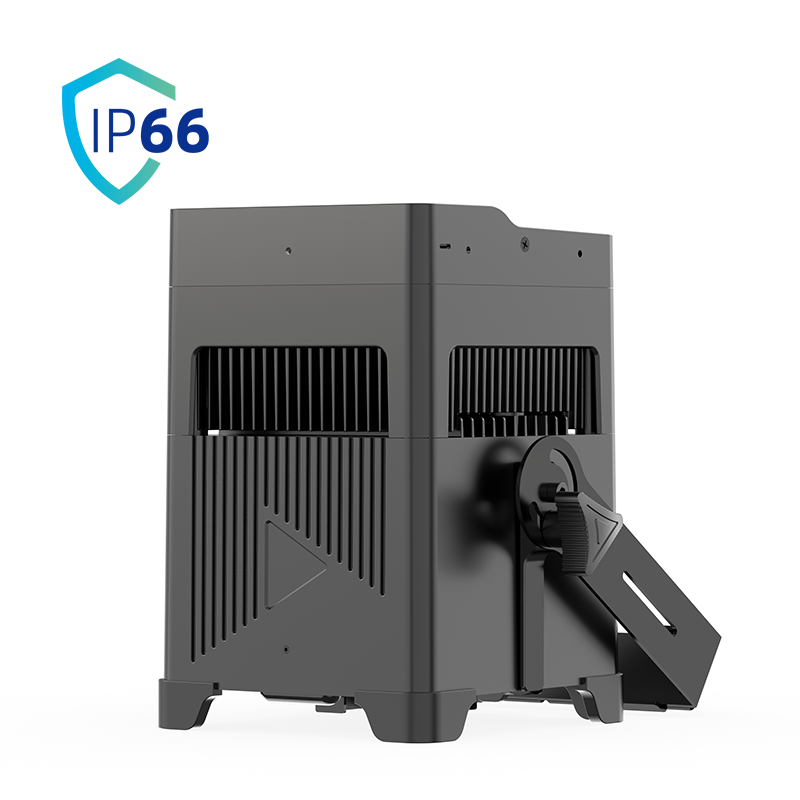
You’ll notice the practical gain: fewer last-minute fixes, steadier design realisation, and lower operating cost on repeat shows. The solutions that deliver this are often available from established suppliers — the consistency of parts, service and documentation matters, and that reliability is what Light Sky brings to productions. —