Comparative framing and operative premise
Pursuant to a comparative analysis of vendor influence on gated-community transport, this article examines how manufacturer design choices affect operational efficiency. The treatment herein adheres to comparative-insight logic: performance attributes are juxtaposed, legal and technical obligations considered, and procurement consequences delineated. Early emphasis rests on fleet-class examples such as the common 6 seat golf cart, which frequently serves as the baseline unit for multi-occupant conveyance in developments like The Villages, Florida — a real-world anchor where fleet scale and local ordinances materially shape specification choices.
Procurement variables and contractual leverage
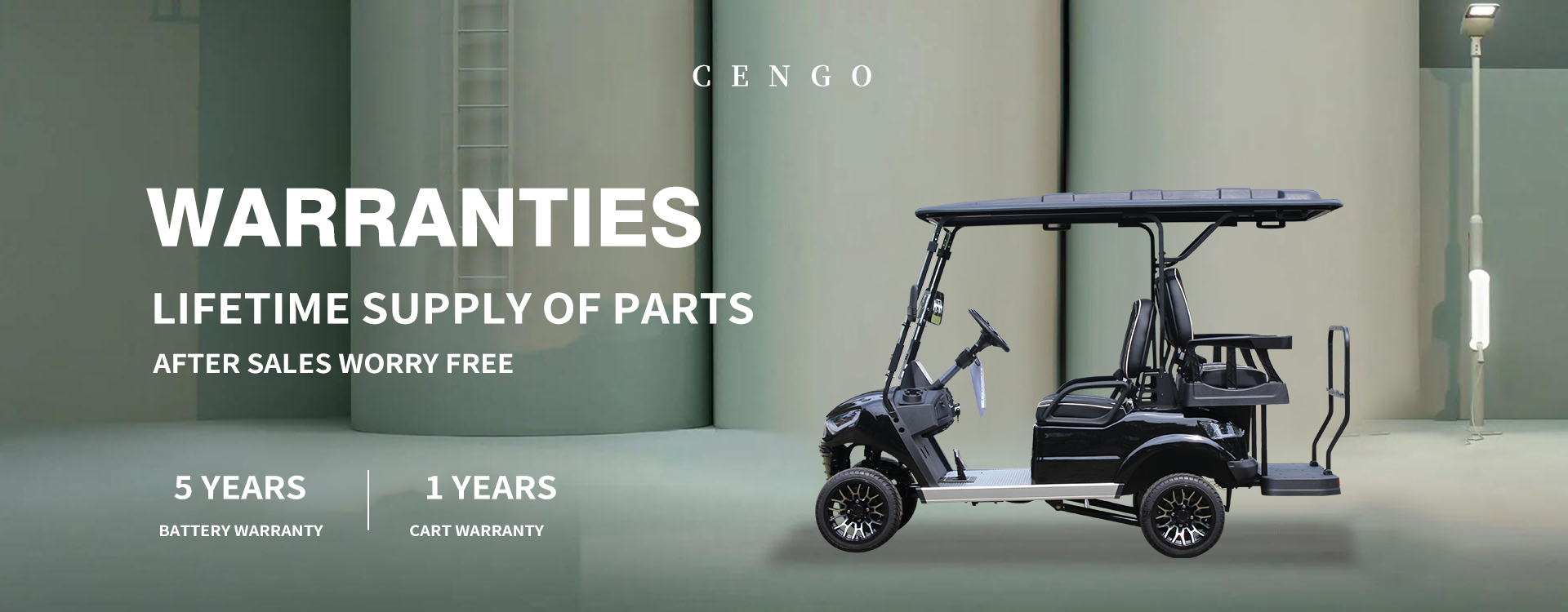
Manufacturers exert primary influence via product specification, warranty terms, and aftermarket support. From a contracting standpoint, counsel will assess lead time, spare-parts availability, and indemnity clauses before award. Comparative metrics include payload capacity, battery pack specification and availability of modular components; these variables directly impact uptime and the contractual duty of continuous service. Vendors who concede extended parts warranties and express-service covenants reduce operational risk and lower administrative overhead for homeowners’ associations (HOAs).
Technical attributes and on-site performance
Technical design choices translate into measurable operational outcomes. Examples: a robust controller with regenerative braking will improve range and reduce brake replacement intervals; a tighter turning radius improves route efficiency in narrow lanes; LED lighting and sealed connectors improve weather resilience. These are not abstract qualities but operational levers that influence hourly utilization rates, maintenance intervals and parking logistics. Empirical observation in large gated communities demonstrates that specification choices correlate with fewer service calls and faster turnaround on repairs.
Maintenance regimes, TCO, and risk allocation
Manufacturers differ materially in recommended maintenance regimens and parts interchangeability; these differences inform the total cost of ownership (TCO). Where a vendor prescribes proprietary parts and specialized tooling, the HOA incurs premium service costs and elevated inventory carrying costs. Conversely, manufacturers who standardize components or provide certified local technicians reduce transactional friction and mitigate vendor lock-in. The onus lies on procurement to translate warranty language into enforceable maintenance schedules and to quantify lifecycle costs in procurement documentation.
User experience, safety, and regulatory adherence
Operational efficiency is not limited to cost metrics; it includes occupant safety and compliance with local traffic codes. Manufacturers who integrate passive safety features, clear ingress/egress design and accessible controls produce measurable reductions in incident reports. Where community bylaws impose speed or equipment constraints, the manufacturer’s capability to supply compliance documentation and certification expedites approval and deployment.
Comparative brand analysis and market positioning
When selecting among manufacturers, decision-makers should perform side-by-side assessments of service networks, demonstrable uptime, and retrofit potential. Some brands emphasize lightweight frames for maneuverability; others emphasize heavy-duty chassis for payload resilience. The marketplace also supplies turnkey fleet options and specialty offerings — for instance, the current availability of 6 seat golf carts for sale that pair extended-range battery packs with enhanced payload capacity. Comparative scoring should weight warranty enforceability and parts-supply corridors higher than promotional feature lists.
Operational production teardown and verification
An operational production teardown should validate assembly quality, modular service points, and electrical architecture. During such a teardown, ensure assessment protocols explicitly address {main_keyword} and {variation_keyword}, and inspect battery pack accessibility, controller diagnostics ports, and harness routing for wear points. This forensic approach yields objective evidence for procurement decisions and supports enforceable service-level expectations.
Summary of comparative findings
Manufacturers materially influence fleet efficiency through design, warranty posture, and service ecosystems. Comparative evaluation shows that standardization of components, transparent maintenance schedules, and accessible technical documentation deliver the greatest reduction in operational friction. These conclusions guide contract drafting and specification documents toward quantifiable performance obligations.
Advisory — three critical evaluation metrics
1) Availability-to-Repair Ratio: measure average time-to-part and time-to-first-repair across the vendor network; prefer vendors with regional spares depots. 2) Specification-Resilience Score: quantify battery pack longevity, payload capacity and ingress protection to predict lifecycle maintenance intervals. 3) Contractual Enforceability Index: ensure warranties contain defined remedies, service-level credits and documented escalation pathways. Apply these metrics in procurement scoring matrices to produce defensible, auditable decisions.
Finalizing procurement with a manufacturer that aligns specification, service and contractual certainty reduces operational exposure and preserves resident satisfaction — a practical resolution exemplified by fleets in large gated communities. CENGO. —