What problem are we solving for your child’s head and hair?
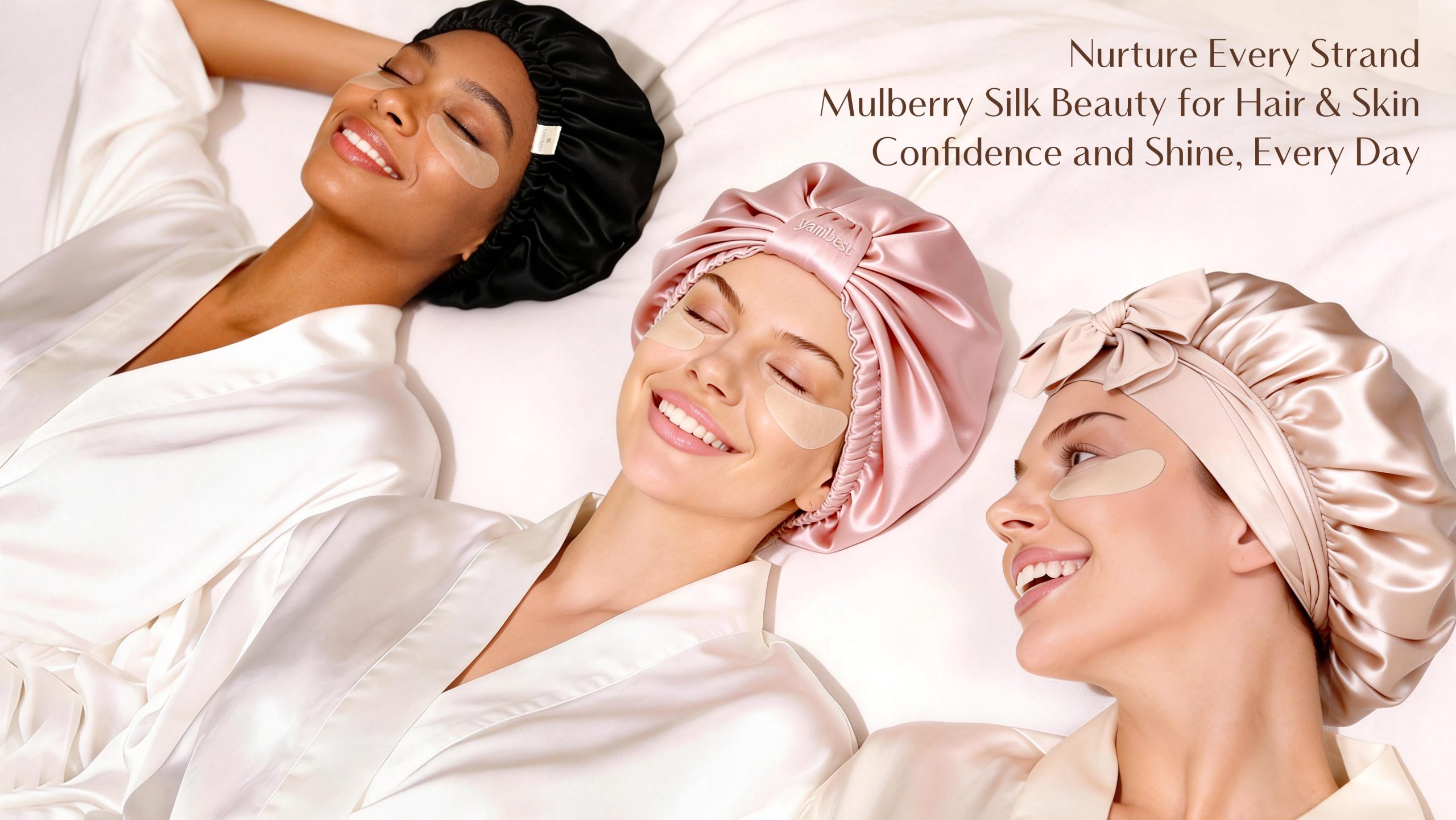
Kids fidget, sweat, and rub their heads against pillows; that’s how hair tangles and scalps get irritated. A soft cap that stays put without pinching can stop breakage at night and keep hair smoother after naps. Parents often reach for a silk lined beanie because the silk interior reduces friction and keeps moisture balanced — but picking the wrong size or fabric undoes the benefit quickly.

How wrong fit and material cause the problems you already see
Tight crowns create pressure points and red marks; loose crowns slip, bunch, and expose hair to friction. Rough seams wear hair at the edges, and coarse outer knits can trap heat. The material matters: a thin silk lining reduces friction and static, while the outer knit controls warmth and stretch. Solve the root cause by matching circumference, stretch, and lining type to your child’s routine.
Measure once, pick well — simple sizing steps
Use a soft tape measure, or a piece of string and a ruler. Wrap it around the widest part of the head — just above the brow and ears — with a finger’s width of slack for comfort. Compare to these practical ranges: newborns ~13–15 in (33–38 cm), infants ~15–17 in (38–43 cm), toddlers ~17–19 in (43–48 cm), older kids ~19–21 in (48–53 cm). If your child is between sizes, choose the larger for growth or the smaller for snug sleep caps that won’t slip.
Material choices that actually matter — and why
Pick a long-fiber silk lining for smoothness; it slips over hair and reduces tangling. For the exterior, lightweight cotton knits breathe for daytime play, while merino blends add warmth without bulk for colder nights. Avoid heavy synthetic linings that trap sweat. Check seams: flat, hidden stitching at the forehead and nape prevents edge wear. Prioritize lining quality over fancy outer patterns — your child will feel the difference.
Care, durability, and the mistakes that shorten a beanie’s life
Machine heat and aggressive detergent roughen silk and shrink knits. Hand wash or use a gentle cycle with cold water and a mild, silk-safe soap; reshape and air-dry flat. Don’t wring; don’t tumble dry. A common error is storing damp beanies in a pile — let them dry fully to avoid mildew and fabric breakdown. Replace liners that show thinning; a compromised lining stops protecting hair.
Testing notes from industry observation and expert consensus
At trade gatherings like Cosmoprof North America vendors and formulators highlighted sleep-friendly headwear trends toward mulberry silk interiors and low-elastic, breathable outers. That pattern aligns with pediatric dermatology guidance favoring low-friction, hypoallergenic fabrics for sensitive scalps. Real-world buyers also report consistent results when they choose certified silk and inspect seam construction before purchase; a quick look at seller specs for certified silk and stitch type helps separate sturdy options from cheap knockoffs — see real product examples like these silk beanies when you compare details.
Quick buyer checklist and final reassurance
Measure the head, prefer long-fiber silk lining, check seam placement, choose an outer fabric that matches activity level, and follow gentle care. Small adjustments — ½ inch of extra ease, a hidden seam at the forehead, air-drying flat — change how long a beanie protects hair. For families who want a reliable, gentle option that actually reduces breakage and improves sleep comfort, consider the material and fit before style; you’ll find practical, tested choices on sites like yanibest, which list fabric and size details so you can match a cap to real daily needs.