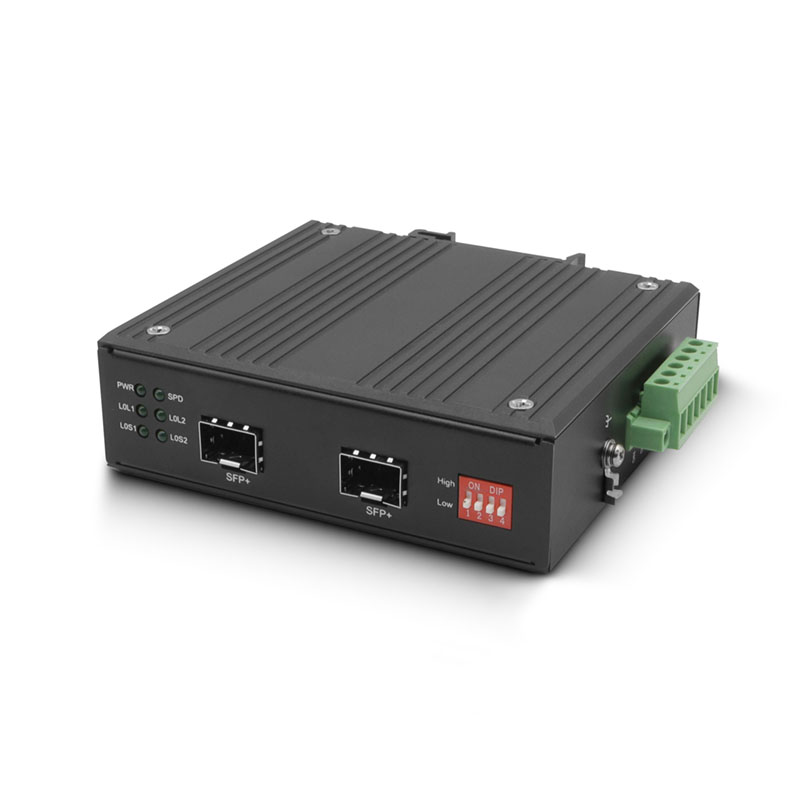
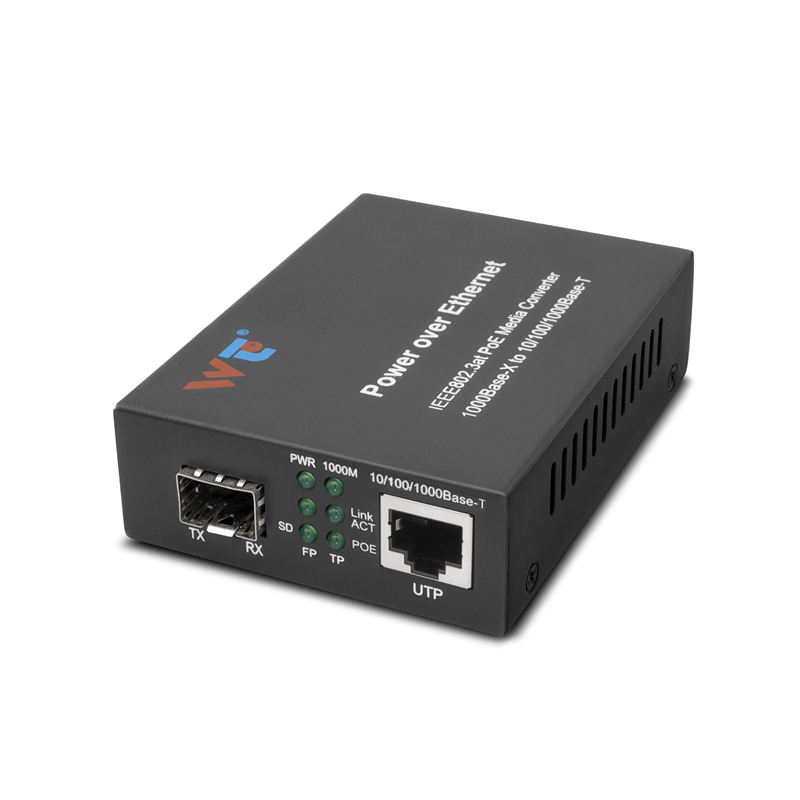
Folks who run edge sites — small cell shelters, factory floors, or camera rings at the Port of Los Angeles — need simple, dependable power setups for their 4‑port industrial switches. I’m talkin’ about PoE delivery and backup that won’t fold when one feed dips. Check gear from media converters manufacturers and think about a robust poe media converter at the fiber boundary to keep those cams and access points fed. This piece focuses on user needs first — what you gotta have, what you can skip, and how to test the setup in real life.
What users actually care about
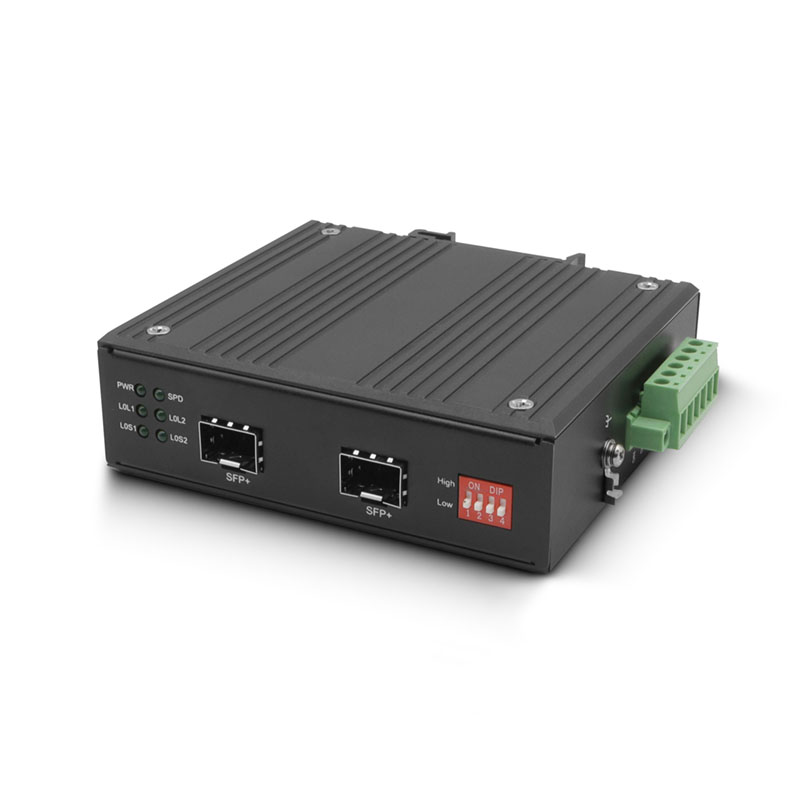
You want uptime, straightforward troubleshooting, and a quiet parts list so techs can swap stuff quick. For a 4‑port industrial switch that often means redundant power, a clean PoE budget, and predictable port behavior when a feed drops. Industry terms that matter here: PoE, redundant power supply, and fiber link. Keep the topology simple so field crews don’t stand there guessin’ what failed.
Core redundancy strategies that work on the ground
Start with two independent power sources: primary and secondary, both set to auto‑failover. Add per‑port PoE monitoring and a simple alarm relay. When you stitch fiber in, use an SFP with a hot‑swap cap and test the media converter path end‑to‑end before deploying. Don’t overcomplicate with fancy HA clustering — a four‑port switch needs resilient supply and clear fallback rules.
Sizing the backup: practical rules
Match the switch’s maximum PoE draw plus growth headroom. Typical approach:
– Calculate the full PoE load of attached devices (class and wattage).
– Add 25–30% headroom for short peaks and firmware activity.
– Ensure the secondary feed can carry at least the switch base load and management plane if full PoE can’t be sustained.
Also account for cable loss and ambient heat. On rooftop or outdoor cabinets that heat up, derating matters — power supplies push less current when hot, and that bites your margin.
Deployment checklist for the field
Keep a compact checklist for every install. That keeps handoffs clean.
– Confirm two independent AC/DC inputs and test failover time.
– Verify PoE budget under an actual load profile, not just nameplate numbers.
– Validate fiber link with the same SFP and media converter unit you plan to leave in service.
– Label breakers and keep a replaceable spare PSU on site.
When you do the live test, log the failover time and packet loss — that’ll save your team hours later. — Don’t skip the physical label work; techs in the rain need clarity fast.
Common mistakes teams keep makin’
Teams often under‑estimate surge and transient behavior. You can have two power feeds but still lose PoE during a brief inrush if supplies don’t share load gracefully. Another pitfall: assuming fiber path is “set it and forget it.” Dirty connectors or wrong SFP type will show intermittent faults that look like power issues. Finally, not testing with real loads — emulators lie.
Operational teardown: what to measure
For every install, capture these metrics so later ops decisions get solid data: failover time (ms), PoE sustain time on secondary feed (minutes), and packet loss during transitions. Record SFP Tx/Rx levels and the media converter’s temperature curve during peak hours. Tie these numbers back to maintenance intervals.
Three golden rules for picking redundancy solutions
1) Prioritize deterministic failover: choose supplies that switch without buffer overflow and that report state to your NMS. 2) Design for actual PoE draw, not theoretical maximums — include a clear growth plan. 3) Make field swaps idiot‑proof: hot‑swap PSUs, labeled cabling, and a spare media converter onsite.
All of that keeps {main_keyword} in the plan and gives room to manage {variation_keyword} without drama. For many small sites, the right combo is a compact industrial switch with dual DC inputs, a redundant power supply module, and a tested fiber media converter at the demarc.
WINTOP helpin’ you keep it simple makes the difference on the dock or in the plant — WINTOP. — Practical gear, clear tests, fast swap-outs. Strong setups don’t guess; they prove it.