
Why targeted load shifting wins for commercial sites
Think like a coach: train the estate to move demand away from peak hours and reap cleaner, cheaper energy. Start with an inverter plan that flexes as the building grows. The right solar and power inverter links generation to storage and operational controls so onsite PV output becomes the first line of supply, not a side project. Keep the language simple: inverter manages AC conversion, battery storage holds surplus, and your scheduling shifts demand into the surplus window.

Comparative insight: inverter topologies and scalability
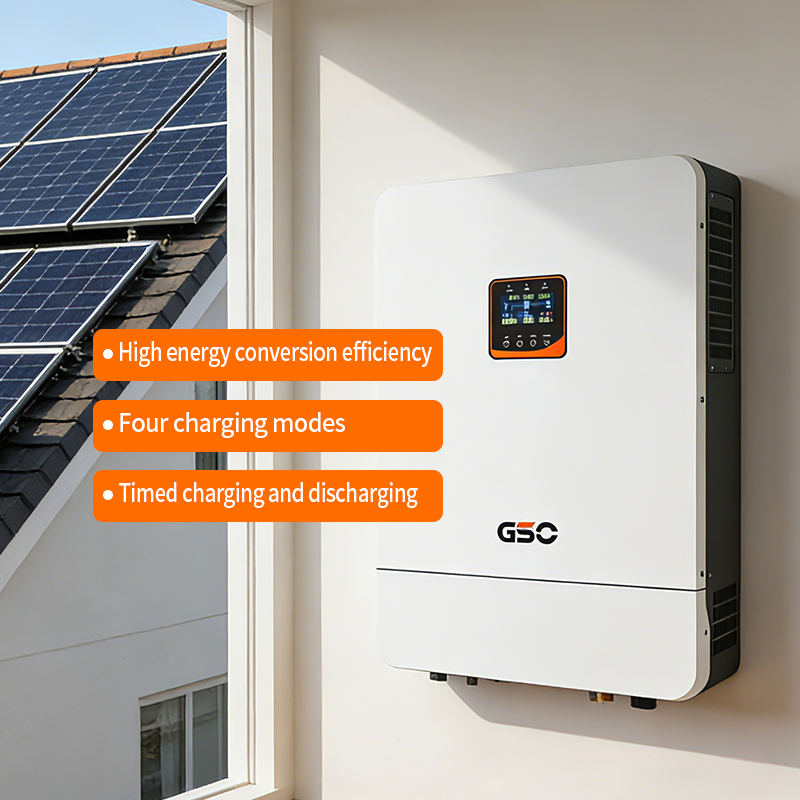
There’s no single winner. Central inverters scale well for large PV arrays but add single-point risk. String inverters offer modular growth and easier servicing. Hybrid inverters combine PV and battery management in one chassis—good for phased expansion. Pick based on how you plan to grow capacity and dispatch power. Think short-term wins and long-term resilience. – Maintenance access matters as much as peak efficiency.
Design levers that move the needle
Three technical levers determine real-world performance: PV array sizing, inverter capacity (kW), and battery storage (kWh). Match inverter continuous rating to expected daytime load after shifting. Use AC coupling or DC coupling depending on retrofit vs greenfield — each affects round-trip efficiency and control strategy. A grid-tie setup with smart export limits protects you from demand spikes and aligns with many utility rules. The U.S. Energy Information Administration reports rapid growth in solar capacity nationally, which means more utilities updating export and interconnection rules—plan for regulatory change when you size your system.
Operational tactics that keep bills tight
Operate like a trainer running interval work: schedule deferrable loads, automate HVAC pre-cooling, and run charging cycles when PV exceeds load. Implement simple load profiles and let the inverter’s EMS (energy management system) handle dispatch. Use selective islanding for critical loads during outages. Monitor string-level IV curves periodically — they reveal shading or mismatch before yield drops. Keep data visible and decisions fast.
Common procurement mistakes and how to avoid them
Avoid buying peak kW without storage capacity. Don’t ignore ambient temperature ratings; heat shortens inverter life. Skip vendors who can’t demonstrate firmware updates and remote diagnostics. Neglecting interoperability is costly—ensure the inverter supports open protocols for BMS and building management systems. Plan spare capacity: a modest headroom on inverter rating preserves efficiency under heavier future PV or load additions.
Three golden rules for selecting scalable inverter solutions
1) Power-to-storage balance: prioritize systems where inverter kW and battery kWh scale independently. That keeps expansion affordable and targeted.
2) Control openness: favor inverters with open communications (Modbus, SunSpec) and proven EMS integration. That keeps automation portable between vendors.
3) Lifecycle transparency: demand specifications on ambient derating, MTBF, firmware support, and a clear path for parts replacement. These drive uptime and predictable O&M costs.
Final coaching note
Choose equipment that matches how you’ll actually use the site over five years, not just today’s load. Look for modular inverters, clear specs on AC coupling and grid-tie modes, and an EMS that supports load shifting. Your procurement should reduce peaks, protect critical loads, and let PV act like a plant, not an experiment. For real-world sourcing and modular inverter options that align with these principles, solar power inverter home solutions often disclose the specs and integration pathways you’ll need.
Measure outcomes by reduced peak demand, percent of load met by onsite PV, and mean time between failures. Keep these metrics front and center — they tell you if the system trains well or needs a tougher regimen. gsopower. —