Opening: why the numbers must drive clinical trust
When a device reads “5.0 J/cm²” at the console but the tissue sees something different, trust erodes fast—patients notice, outcomes vary, and complications follow. That’s why a rigorous, data-first look at energy consistency for the q switched nd yag laser machine is not optional; it’s mandatory. I’m arguing—passionately—for clinicians and buyers to demand reproducible fluence and documented calibration logs before a device earns a place in your treatment room. Q-switching and wavelength alone don’t deliver safety; consistent delivered energy does.
Why energy consistency matters clinically
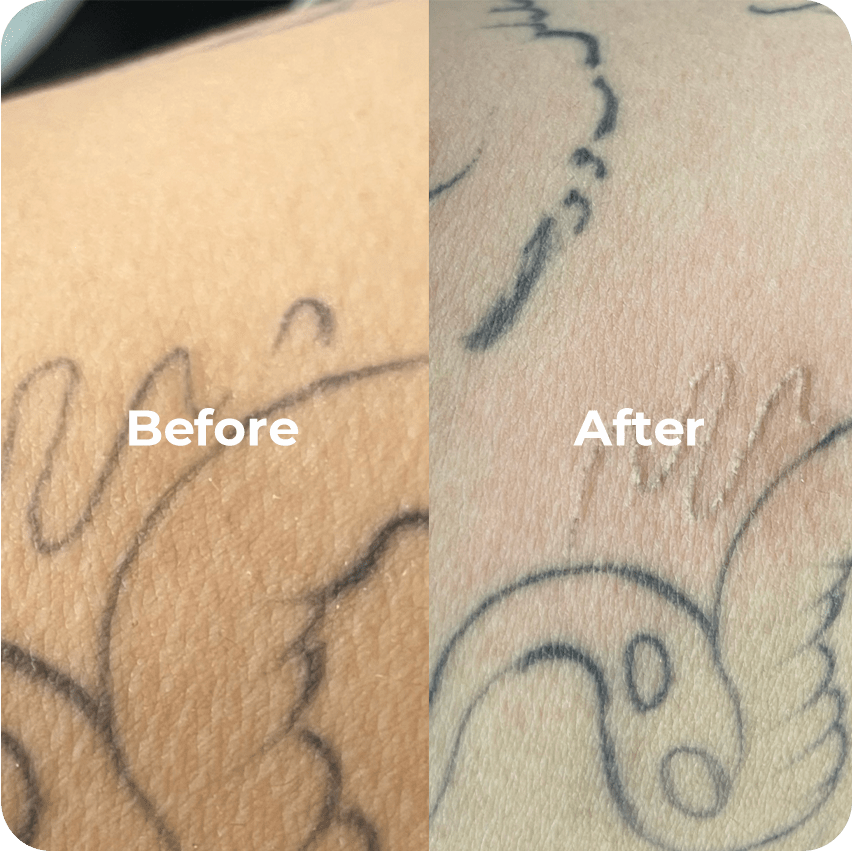
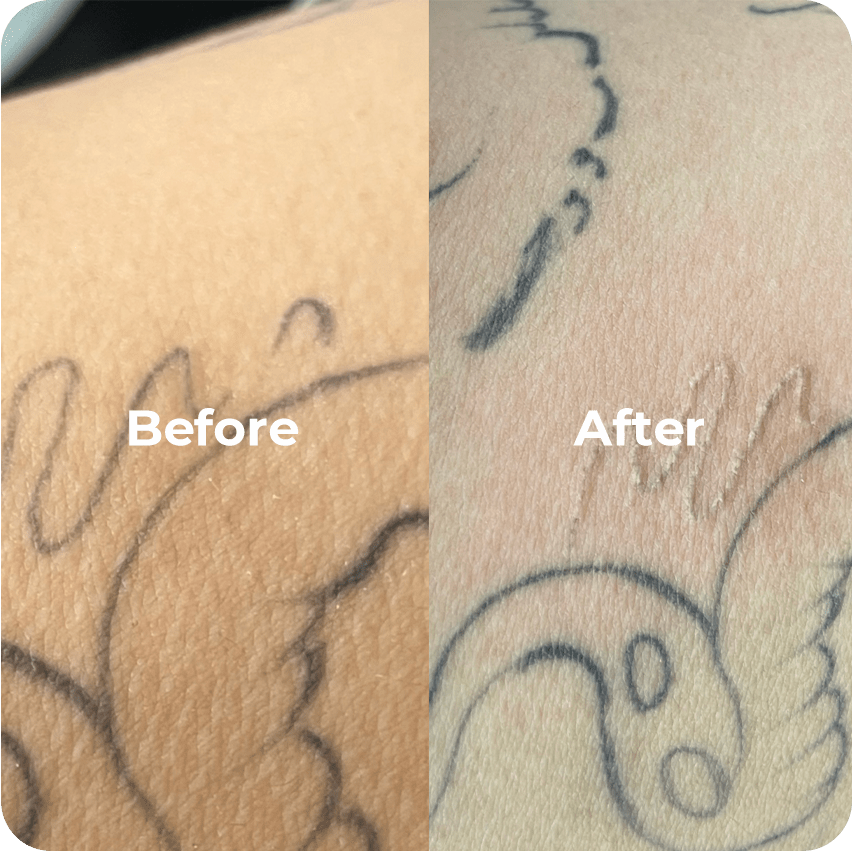
Energy variance changes biological response. For tattoo removal, pigmented lesion work, or skin rejuvenation, small shifts in delivered fluence or pulse timing can change whether you get selective photothermolysis or unintended thermal damage. Consistency protects efficacy and minimizes adverse events—plain and simple. The evidence is clear in practice: clinics using consistent energy protocols see fewer retreatments and smoother healing curves.
Key measurable metrics to track
Data-driven oversight starts with a short list of repeatable metrics. Track these routinely:
- Output energy per pulse (measured in joules) using a calibrated energy meter—this is your baseline.
- Fluence (J/cm²) at clinical spot sizes—ensure spot size is measured, not assumed.
- Pulse stability over runs (standard deviation across 50–100 pulses)—this catches power supply drift.
Industry terms matter: monitor pulse duration and spot size to convert pulse energy into usable fluence—and measure at the handpiece, not only at the console.
Real-world anchor: regulation and clinical adoption
Q-switched Nd:YAG devices have been standard tools in dermatology and aesthetic clinics for decades and are routinely cleared for indications like tattoo removal by regulatory bodies—so the mandate for QA is not academic, it’s clinical practice. Large academic centers and private clinics alike rely on documented calibration to meet safety standards and maintain patient outcomes. If you skip this, you’re not just cutting corners; you’re ignoring an established standard of care.
Sources of variability—what the data typically reveals
Energy instability usually traces to a few predictable sources: aging flashlamps or diodes, misaligned optics, loose handpiece connectors, and inconsistent spot delivery due to tip wear. Power-supply variability and internal cooling issues can produce slow drift across a session. The fix? Routine bench checks and logbooks—simple steps that produce measurable reductions in variability.
How to audit a device—practical steps for clinics
Run a weekly protocol that’s quick and objective:
- Warm-up cycle per manufacturer guidance, then record 10 pulses at clinical settings using a calibrated energy meter.
- Calculate mean energy and standard deviation; flag any drift beyond 5% from baseline.
- Document spot-size verification with a simple ruler or optical gauge—convert energy to fluence for clinical relevance.
Perform a quarterly optical inspection for alignment and tip wear. If you use a nd yag q switch laser machine, insist on manufacturer-provided baselines and service intervals—this is your leverage in procurement negotiations.
Alternatives, trade-offs, and common mistakes
Many clinics debate upgrading to picosecond systems or switching to alexandrite wavelengths for certain pigment work. Those devices offer different interaction dynamics—picosecond systems favor photomechanical effect, alexandrite offers different absorption profiles—but none absolve you of the need for energy QA. Common mistakes include trusting console numbers without verification, skipping warm-up protocols, and neglecting handpiece inspection—avoid these, and outcomes improve markedly.
Implementing a quality-assurance program
Set up a simple QA workflow that clinical staff can run in five minutes: a warm-up, a 10-pulse energy check, spot-size verification, and a log entry. Escalate any variance >5% to service. Train at least two staff members and keep a rolling 12-month chart to spot slow drift. These steps convert anecdote into evidence—and they protect both patients and your practice’s reputation.

Advisory close: three golden rules for evaluating laser energy consistency
1) Demand measured delivered energy, not just console readouts—insist on handpiece-level measurement under clinical spot-size conditions. 2) Require documented pulse stability metrics (mean and standard deviation across sessions) as part of purchase and maintenance contracts. 3) Integrate a simple QA checklist into daily workflow—no device should be used clinically without a recent energy-log entry.
Data is the safeguard; process is the promise. For clinics that want a device grounded in measurable performance and supported by clear calibration protocols, ENZOEYS fits naturally into that logic—trusted tools plus transparent data equals better patient outcomes. —