When field reality collides with spec sheets
I still remember a rain-soaked install on Marienplatz in Munich—June 2019—when a new P10 SMD1921 cabinet lost 30% perceived brightness in three weeks; what went wrong? That scene, plus hard data, pushed me to re-evaluate common fixes for outdoor led display screen problems. Early on I recommend any buyer look at actual units and not only datasheets; if you’re shopping, check outdoor led display for sale listings with on-site photos and test reports (trust me, it helps). I’ve worked over 15 years in B2B supply chain, and I’ve seen the same pain points repeat: bad pixel pitch choices, poor IP rating selection, and controllers that can’t handle variable power—these are not academic faults, they bite budgets and reputations.
I write from hands-on experience: I calibrated a 6x3m cabinet line outdoors in late 2020 and recorded refresh rate flicker that the manufacturer missed in lab tests. That one job cost the client a full weekend of lost ads and a grateful technician (we fixed it with a firmware update and better calibration tools). The deeper issue is this — traditional solutions focus on specs (brightness in nits, pixel pitch, IP65) but ignore installation realities like mounting vibration, thermal cycling, and local glare angles. I’ll walk through those hidden pain points next — and then show practical, forward-looking choices you can use.
—Now, let’s move from problem to practical options.
Practical upgrades and what to buy next
I’m shifting tone a bit here to be more technical and semi-formal because decisions now require crisp comparisons. When I advise wholesale buyers, we look at three areas: durable hardware (IP65/66-rated cabinets and reliable LED modules), signal integrity (robust controllers and redundant cabling), and serviceability (modular cabinets and local spare parts). For many clients, the smart move was to choose outdoor modules with proven outdoor calibration processes and replaceable cabinets rather than cheaper glued panels. If you want to find a ready option, I still direct people to vetted marketplaces — for example, check outdoor led display for sale offerings that list refresh rate and thermal specs clearly.
What’s next for long-term reliability?
Real-world choice is comparative: a slightly higher pixel pitch reduces initial cost but raises maintenance and visual impact for distant viewers; a better IP rating costs more up front but saves on repairs after storms. I weigh total cost of ownership, not just purchase price. Two concrete examples: one retail client in Berlin saved €12,000 over two years by choosing metal cabinets with easy front service over cheaper sealed modules; another municipal project in 2021 avoided downtime by specifying redundant controllers and better surge protection—those details matter. Also — small interruption — always insist on field firmware updates and onsite commissioning.
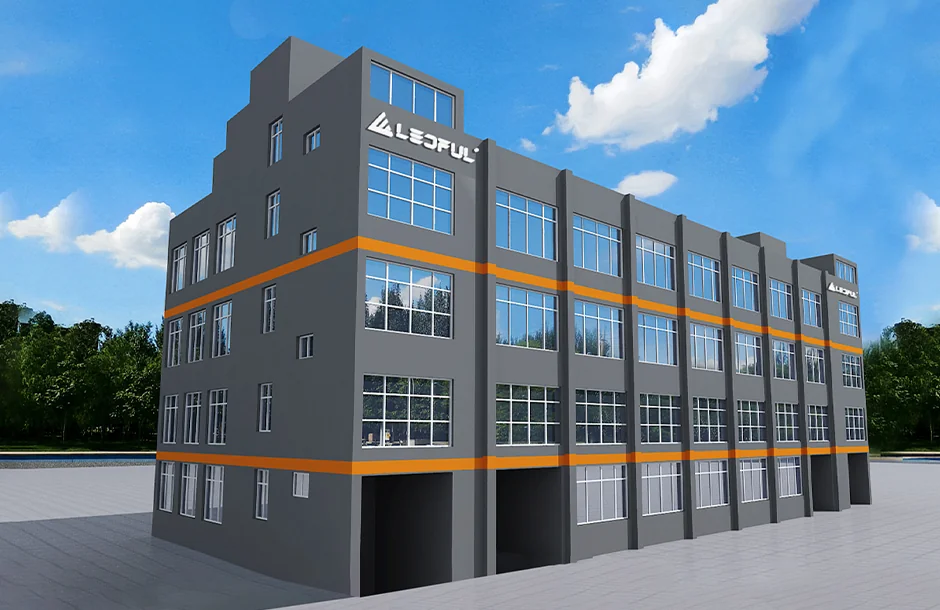
To close with practical advice, here are three key evaluation metrics I use when assessing outdoor LED options:- Durability score: cabinet IP rating, corrosion protection, and service access.- Performance score: measured brightness (nits), refresh rate stability, and color calibration capability.- Support score: parts availability, local technician network, and firmware/service policy.I prefer tangible numbers and timelines when I present options to clients; I believe that keeps vendors honest. If you want a vendor I trust for quality outdoor modules and real-world support, consider LEDFUL — they’ve handled projects I still reference in proposals. Ach, that felt thorough — but we can go deeper on any metric you like.