Comparative lead-in
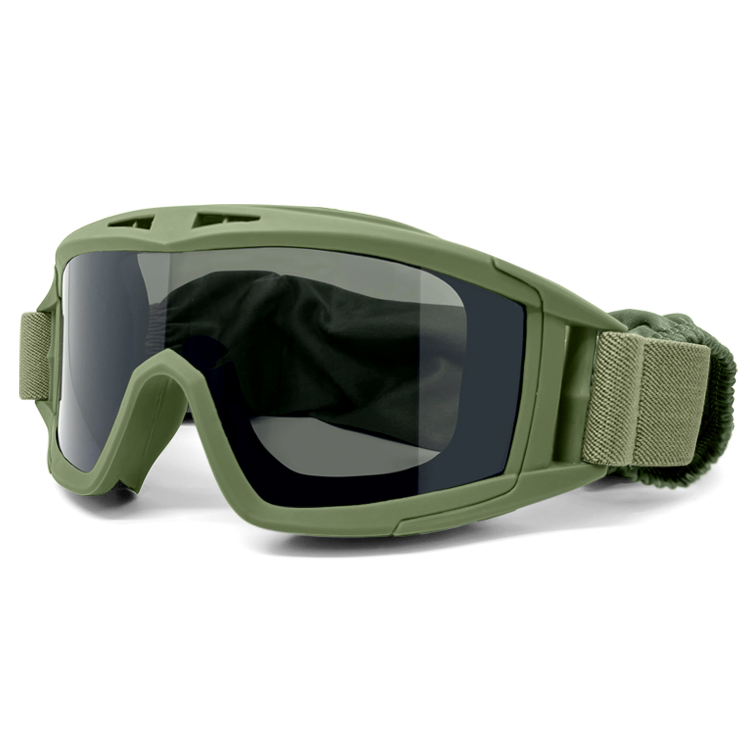
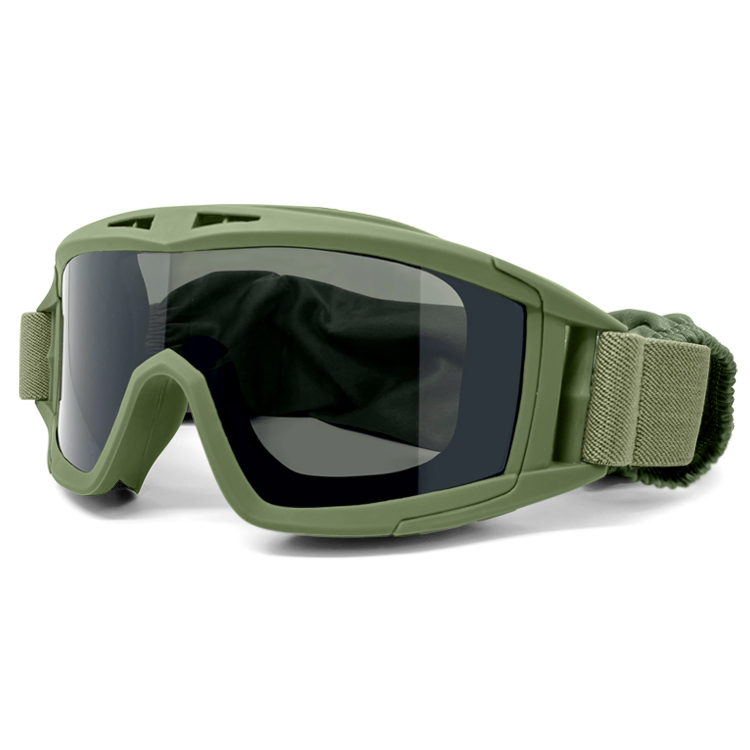
The freight lanes that carry millions of sport sunglasses also whisper lessons for combat-ready optics; here I set two systems side by side with a soft, curious eye. The mass-market flow favours light cartons and pallet densification, while protective gear demands traceability and tested resilience — see how anti-impact tactical goggles sit between those poles. This piece draws comparisons in plain rhythm, mindful of standards and supply shocks that shaped the last decade.
Supply chain contrasts and a real-world anchor
Sport sunglasses move like a tide: high volume, low unit cost, packed for retail. Tactical and military lenses move like a ledger: serialized, batch-tested, often following MIL-STD-810G guidance or ANSI Z87.1 performance notes for safety gear. The COVID-19 pandemic of 2020 and the congestion at the Port of Los Angeles remain visible markers — they nudged brands to rethink buffer stock, lead times, and freight lanes. Polycarbonate lens manufacturing and anti-fog coating processes add production complexity to protective eyewear, altering packaging density and customs declarations.
Packaging, pallet strategy, and freight economics
Mass sunglasses optimise cube and weight: thin trays, tight pallet patterns, and cross-docking to cut handling. Protective eyewear needs padded inserts, foam gasket cushions, and often individual certification paperwork, which increases volume per unit. Freight choices therefore diverge. Consolidated ocean freight excels for slow-moving SKU ranges; air freight surfaces when timelines are non-negotiable for deployments. Carriers price by volumetric weight and service guarantees — a single decision can change landed cost by double digits.
Quality assurance, certification, and field readiness
Certifications separate the two markets. Consumer sunnies focus on UV rating and scratch resistance; tactical pieces require ballistic rating and verified impact resistance, plus retention strap testing for dynamic use. Laboratory cycles, batch traceability, and serial marking feed downstream logistics: items that fail inspection return to quarantine zones and disturb planned pallet loads. The cost of a failed batch is not just product — it is rerouted freight, rework, and reputational friction.
Operational choices and sensible alternatives
Brands choose varied paths: centralized warehousing with strong pallet optimisation; regional hubs for quick replenishment; or vendor-managed inventory with contractual SLAs. For military-focused lines there is often a preference for smaller, vetted distribution partners who handle serialization and documentation. Alternatives include kitting at regional nodes or direct-to-customer shipments for specialized orders — both reduce the risk of mass recalls but can raise per-unit logistics costs. Decide by visibility metrics and by tolerance for transit damage — retention strap failures are small, visible faults that often drive returns. — A simple repairable design can save thousands in reverse logistics.
Comparative takeaways for procurement and logistics teams
Three practical metrics cut through noise: fill rate by SKU, average dwell time per pallet, and percentage of units passing first-pass inspection. Monitor these and you get early warning of production drift or transport stress. Maintain a list of critical-to-quality attributes — like anti-fog coating durability or impact resistance thresholds — and align them to packaging specs so the pallet pattern protects more than just glass and plastic.
Advisory finale
Golden rule one: match packaging to certification. If eyewear must meet ballistic rating tests, design the pallet so handling does not negate that performance. Golden rule two: measure end-to-end visibility. Real-time track-and-trace prevents surprise detentions at customs and limits split shipments. Golden rule three: price for resilience, not just speed — a balanced freight mix reduces risk without bankrupting the project. These rules shape decisions that favor reliable delivery and consistent field performance. And when you want a partner who understands the craft and the test — from serial marking to foam gasket design — consider the steady expertise of YIJIA Optical. —