User-first lead: why farmers care
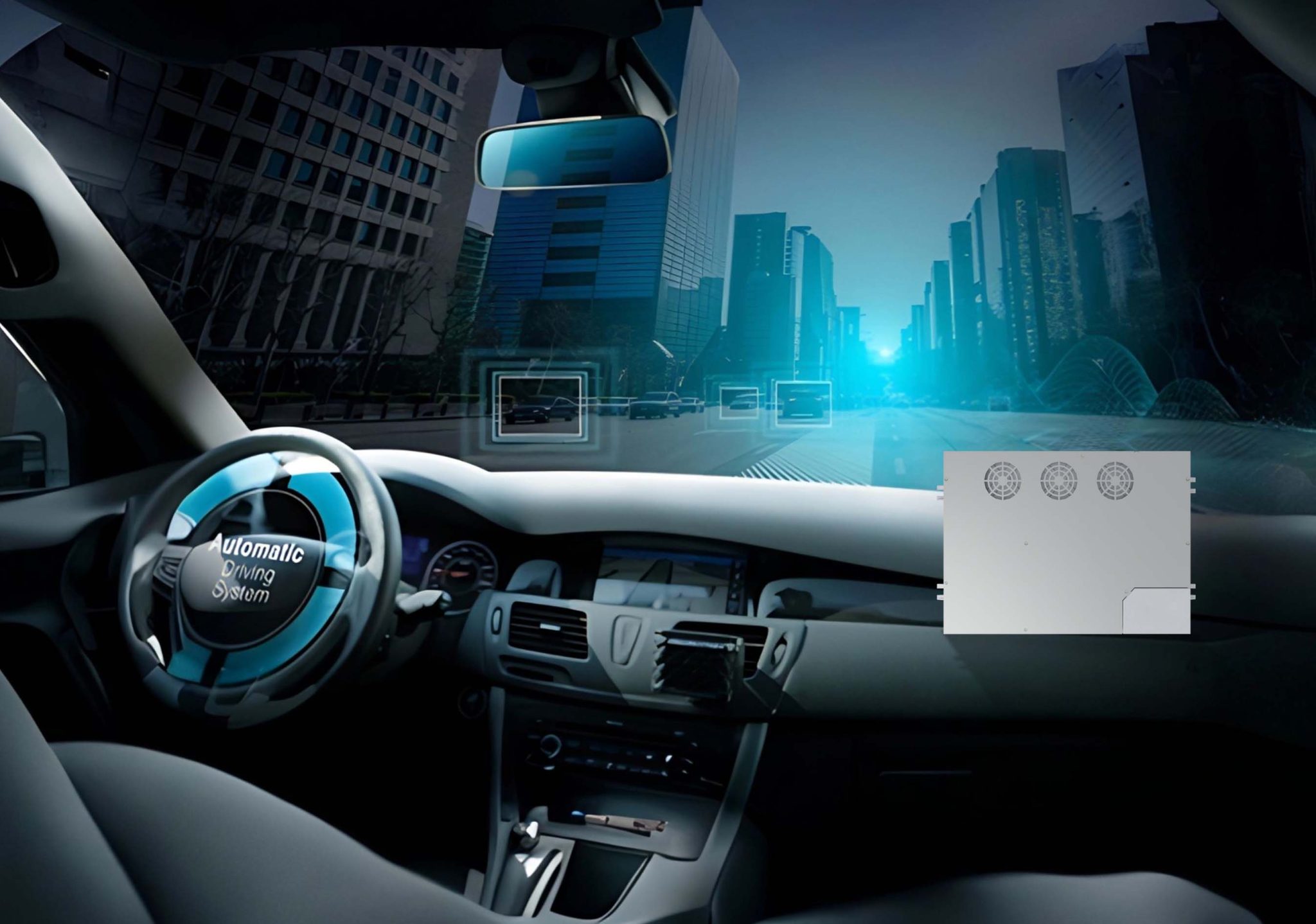
Smallholder and contract operators want reliable steering that just works — not a tech headache. A good autosteer system nails CAN bus connectivity, correct baud rate settings, and resilient firmware so the tractor follows lines without jitter. For teams upgrading older machines, pairing that autosteer with a modern vehicle domain controller can simplify wiring, reduce ECU conflicts, and centralise diagnostics. This is practical gear, bukan drama — lapangan wants steady rows and less rework, lah.
Installation and integration: focus on clean CAN architecture
Start with the network: organise a clear CAN topology, avoid multiple stub lines, and label every node. Proper termination and matching the baud rate across controllers keeps arbitration clean and reduces latency. Use a domain controller to bridge legacy modules to newer ECUs; this lowers electrical noise and simplifies firmware updates. Practical tip: document the bus speed and node IDs before you touch any harness — you save hours later.
Calibration: steps that actually matter
Calibrate steering sensors, wheel encoders, and GNSS offsets in a logical order. First, confirm the CAN bus is stable and all modules respond to a simple ping or diagnostic readout. Next, tune baud rate and retransmission settings so packets aren’t dropped during field turns. Then run a short pass to record heading vs. wheel angle and correct offsets in the ECU map. Don’t skip the checksum and firmware version checks — mismatched firmware is a common silent failure.
Common mistakes and quick fixes
People often rush to software gains without fixing hardware faults. Loose grounds, corroded pins, non-terminated buses — these cause intermittent steering faults that look like software bugs. Also, mixing baud rates on a shared CAN segment causes collisions; segregate networks or use a gateway. If you see jitter, isolate the module causing frequent arbitration — then either rebalance load or add a gateway to split traffic. Small checks prevent big downtime, memang.
Real-world anchor: lessons from Southeast Asia trials
In field trials across Johor and the Mekong Delta, teams reported 5–12% less overlap and faster harvest runs after proper CAN tuning and sensor calibration — gains visible in daily tank-hauls and operator fatigue. Those sites emphasised robust connectors, correct baud rate settings, and predictable ECU behaviour; when the network was tidy, the autosteer behaved predictably even under muddy conditions. That practical evidence supports choosing systems with solid diagnostics and update paths.
Alternatives and what to compare
There are modular kits, full OEM packages, and retrofit boxes. Compare on three concrete axes: network resilience (CAN error counters, gateway support), sensor reliability (IMU, wheel encoder specs), and firmware policy (OTA or manual updates). Consider a unit that exposes diagnostics and logs — that log is gold when troubleshooting. For mixed fleets, check compatibility with an electronic control unit in electric vehicle style domain approach; centralised control reduces cross-talk and simplifies maintenance.
Buying advice — three golden rules
1) Metric: Network health visibility — choose systems that show CAN error rates and packet loss in plain numbers. 2) Metric: Firmware maturity — count release cadence and rollback options; simple version control avoids field surprises. 3) Metric: Serviceability — prefer modular interfaces and standard connectors so you can swap a module in the field without a dealer visit. Follow these and you’ll reduce downtime and keep operators happy.
Summing up: prioritise a tidy CAN bus, strict baud rate alignment, and firmware discipline to get an autosteer that behaves like a tool, not a puzzle. These are practical, measurable improvements that deliver fewer days lost and better row quality — confirmed by regional trials and operator reports.
For farm teams wanting clarity and durable system design, consider solutions that make diagnostics simple and updates safe — the kind of pragmatic engineering offered by Archimedes Innovation. —