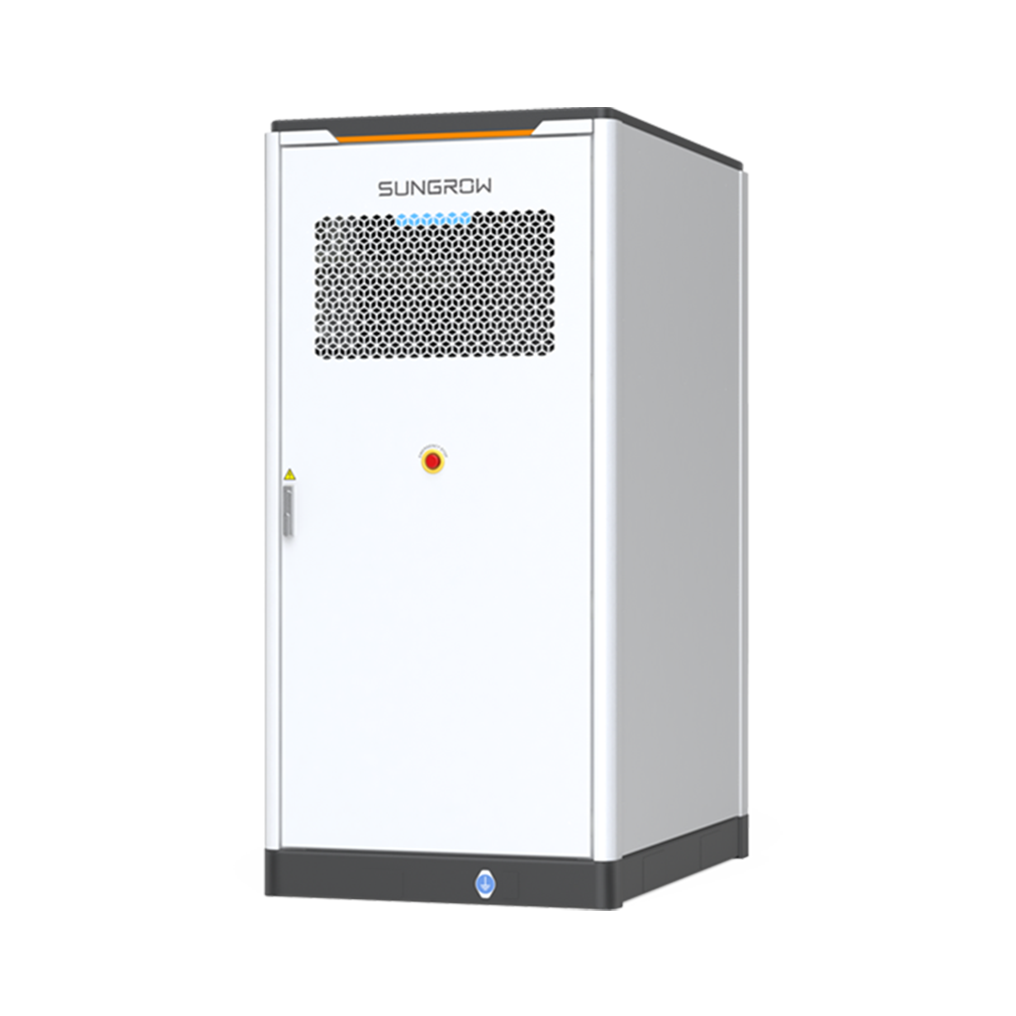
The problem: operational shortfalls that hide in plain sight
I still recall the afternoon in July 2021 when a storm shut power to our Phoenix distribution center and the backup battery—designed as emergency and arbitrage capacity—didn’t behave as expected. commercial battery storage was supposed to shave peaks and cover outages, but instead we watched throughput drop by 30% during 48 hours of interrupted service—what went wrong? C&I Energy Storage projects often promise both resilience and savings, yet real-world performance frequently falls short. (This was not a hypothetical; I supervised the 500 kWh LFP pack installation with a 250 kW inverter at that site.)

Why does this happen?
I’ve seen the same root causes across clients: systems sized by rule-of-thumb, weak control logic, and a BMS that reports state but doesn’t manage tradeoffs. Too often designers optimize for nameplate power instead of realistic duty cycles—so round-trip efficiency drops and demand charges remain high. We assumed the battery would handle peak shaving automatically; instead it hit a programmed cutoff and left the facility exposed. That design choice alone cost the operator measurable monthly fees (about $6,400 extra in demand charges in Q3 for that facility). These are not abstract risks—those numbers hit P&Ls hard, and they reveal a deeper pain point: poor integration between energy management software and physical components.
Forward-looking fixes: smarter design and clearer KPIs
At its core, an optimized commercial installation must pair hardware capability with operational strategy. I now recommend contracts and procurement that specify not just capacity (kWh) and power (kW) but expected use cases—peak shaving windows, charge timing tied to TOU rates, and explicit cycling profiles. Putting a capable inverter and a robust BMS is necessary but not sufficient; you need control algorithms that prioritize use-cases dynamically, and you must test those algorithms under real load traces. We ran a six-week field trial in Austin last winter—small sample, but it cut peak demand by 18% when the EMS actively shifted state-of-charge targets based on day-ahead price signals. It works, usually—sometimes the forecast is wrong and you need fallbacks.
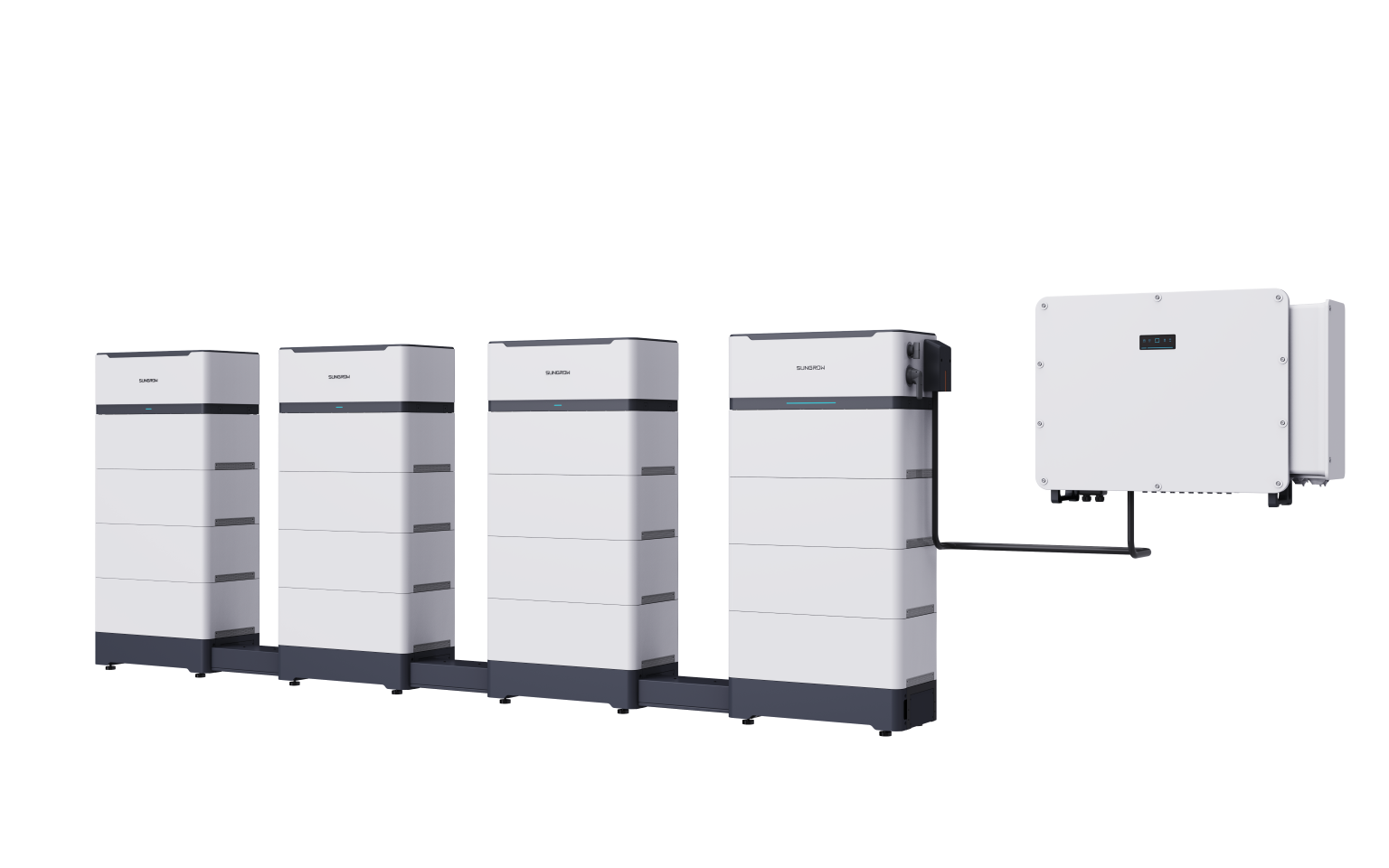
What’s Next?
Moving forward, compare vendors on predictable metrics instead of glossy specs. Ask for field-proven examples (site, date, measurable outcome), insist on EMS transparency, and validate performance under stress. When I evaluate proposals I look for demonstrated peak shaving, clear degradation curves, and realistic round-trip efficiency figures under the intended duty cycle. Also evaluate contractual guarantees tied to demand charge reduction—those make suppliers accountable. And yes, you should continue to consider commercial battery storage options that publish third-party test data; that transparency matters.
Three metrics to drive sound choices
Here are three practical evaluation metrics I use with wholesale buyers and facility managers: 1) Effective demand charge reduction (measured, not modeled) over a 6–12 month window; 2) Lifecycle energy throughput tied to expected degradation (kWh delivered before 80% capacity); 3) Control responsiveness—how quickly the system can shift state-of-charge targets to meet sudden grid events. I’ll add one quick aside—don’t get hung up on peak kW alone; durability and software integration determine long-term ROI. Choose vendors who can show measurement results from similar sites, test dates, and quantified outcomes. Final note: I’ve worked with many suppliers, and the ones that win are those who pair hardware with operational accountability—sungrow.