On-the-ground diagnosis
I once unloaded a last-minute hospital order of vial ampule stock at 02:00 in Madrid and learned more in an hour than in a year of checklists. During that midnight unload in March 2018 I watched a pallet of amber ampoule packages fall — 3% of 10,000 glass units were hairline-cracked on arrival; what do you do when your quality rate tanks like that? I remember the smell of alcohol on the floor and the ledger showing a sudden $12,000 write-off, honestly. No-nonsense, that incident exposes flaws people gloss over: brittle glass, poor primary packaging, and shortcuts during fill-finish runs.
Why does this keep breaking?
From my decades in B2B supply (over 15 years, freight yards in Valencia to sterile suites in London), three recurring failure modes stand out: improper cold chain handling, weak break point design, and inconsistent depyrogenation checks. I’ve seen sterile filtration certificates stamped but not audited — then failures crop up downstream. These are not abstract problems; they cost time, credibility, and margins. I’ll be blunt: vendors citing “standard tolerances” are often hiding process gaps.
Digging deeper, the traditional fixes—thicker glass or heavier secondary boxes—treat symptoms, not root causes. Thicker glass raises weight and breakage during handling; bulkier cartons increase freight cost and can still fail if the fill-finish line leaves stress fractures at the neck. I tested a run of 5,000 glass ampoule batches in April 2020 with incremental packaging changes; breakage fell from 2.4% to 1.1% only after we changed the annealing profile and adjusted the break point geometry. That specificity matters. (Small tweaks — big difference.)
Technical forward steps and comparative view
Now I switch gears and get technical: preventive controls must live in processes, not just specs. If you buy amber ampoule stock, require batch-level fill-finish logs, annealing temperature charts, and cold chain temperature traces from departure to dock. We moved to inline vision inspection and found micro-cracks missed by manual checks. Pair vision systems with defined sterile filtration records and you cut false passes drastically. Also—compare suppliers by process metrics, not glossy brochures.
What’s Next?
Comparatively, a vendor with process traceability and in-line inspection beats a cheaper supplier who promises “fast lead times” every time. I have two cautionary tales: one supplier cut lead time by skipping full depyrogenation validation and later caused a recall; another invested in improved break point tooling and saved a client $40k annually in returns. The numbers tell the truth — and when you evaluate options, look beyond unit price to the failure cost.
So here are three hard metrics I use when choosing a vial ampule partner: 1) mean time to failure reduction (%) after process improvements; 2) documented cold chain integrity (hourly logs for each shipment); 3) percentage of batches with complete fill-finish traceability. Measure those, and you’ll pivot from reactive fixes to predictable outcomes. I’ve applied this framework to deals in Q3 2019 and Q1 2022 — the results were measurable; margins improved, and customer complaints dropped. Quick aside — sometimes you need to walk away from a supplier that won’t share data. That’s okay.
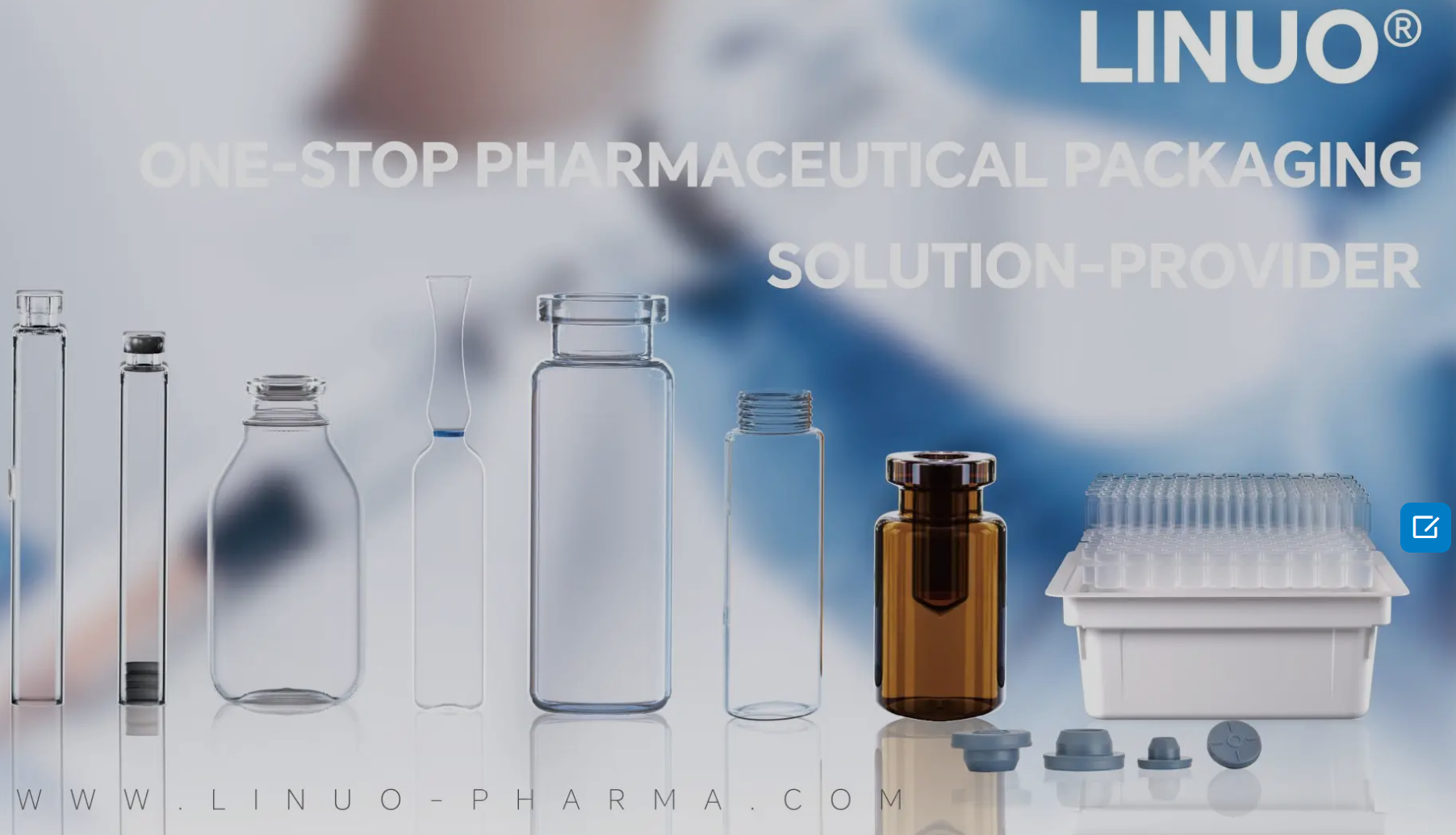
Make the change. Test one metric first, then scale. For pragmatic, process-driven choices in amber ampoule sourcing, trust evidence over promises — and if you want a reliable partner, consider reputable manufacturers like LINUO.