Why the right seat changes outcomes on the shop floor
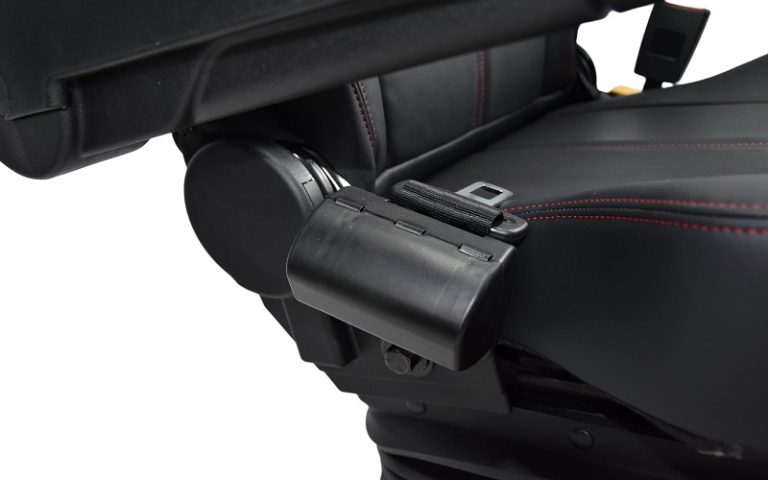
Choosing the right seat is not an aesthetic decision; it shapes operator endurance, equipment uptime and safety. A well-specified universal forklift seat offers consistent ergonomics across fleets, while reducing the variety of spares you carry. The Bureau of Labor Statistics notes that material-moving occupations show higher-than-average rates of musculoskeletal injuries, so seat choice is a frontline control against chronic strain. Key components like mechanical suspension, lumbar support and a correctly sized seat pan directly affect vibration damping and operator posture.
Comparative criteria: how manufacturers diverge
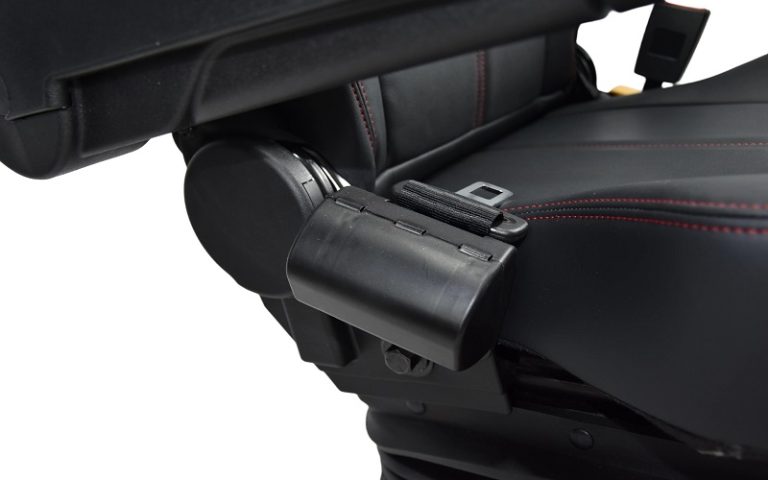
Not every seat is engineered to the same tolerance. When comparing brands, weigh these attributes in sequence: frame strength and material treatments, suspension travel and damping characteristics, adjustability range (fore/aft, backrest angle, lumbar), cover materials and flame resistance, and serviceability—how fast can an operator swap a cushion or rebuild a shock? Manufacturers that publish shock travel in millimeters, rated operator weight ranges, and service parts lists make comparisons straightforward. Small differences in cushion density alter pressure distribution; small differences in suspension tune change whole-shift comfort—details matter.
Real-world checks and simple bench tests
Field testing separates marketing from reality. Mount a candidate seat on a test pedestal and run three quick checks: static fit with the most frequent operator, suspension travel under incremental loads, and the operation of any operator presence switch. For fleet purchases, cycle seats through a week of real shifts and log fatigue complaints and adjustment usage. Inspect maintenance intervals: a seat with a user-replaceable shock or easy-to-remove foam cushion shortens downtime. Consider certified options labeled as an ergonomic forklift seat—those often include documented lab measures for vibration and lumbar support.
Common mistakes and viable alternatives
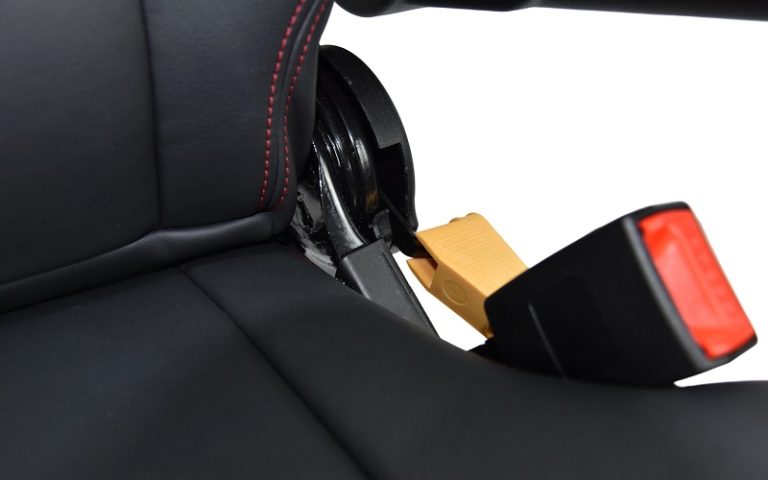
Buyers often pick lowest price, then wrestle with returns and warranty claims. Avoid three pitfalls: assuming “universal” fits all cab geometries; underestimating the time needed for proper seat adjustment training; and skipping vibration testing for high-hour machines. If OEM seats are prohibitively priced, quality aftermarket seats exist; choose ones with matching mounting dimensions and documented weight ratings. For mixed fleets, standardized universal mounting kits reduce installation variability—yet remember that a universal fit is still an engineered compromise, not a perfect match.
Service protocols and longevity considerations
Longevity is a combination of parts quality and a simple maintenance rhythm: monthly visual checks for seat fixings, quarterly inspection of suspension bearings and bushings, and replacement of foam or covers every two to five years depending on wear. Track mean time between failures (MTBF) per seat model across sites—this single metric turns anecdotes into procurement intelligence. Also log operator adjustment requests; frequent complaints about a specific model are actionable data, not noise. —Keep records; patterns predict the next procurement cycle.
Three golden rules for selecting the right operator seating
1) Match performance specs to duty cycle: prioritize mechanical suspension and higher-rated springs for long-haul or rough-terrain operations. 2) Measure serviceability and spare-part availability: choose manufacturers who publish parts diagrams and offer quick-ship cushions and shocks. 3) Validate via short-term pilot: run a minimum two-week trial with representative shifts and collect objective metrics—hours between complaints, adjustment frequency, and minor incident counts. These three metrics—suspension performance, serviceability index, and pilot-derived operator satisfaction—give procurement teams measurable, comparable data.
Closing thought
Sourcing a durable, comfortable operator seat reduces injuries, lowers downtime and simplifies fleet logistics; those are measurable returns that justify deliberate selection. Source One.