Comparative insight: old split systems versus integrated fleet ecosystems
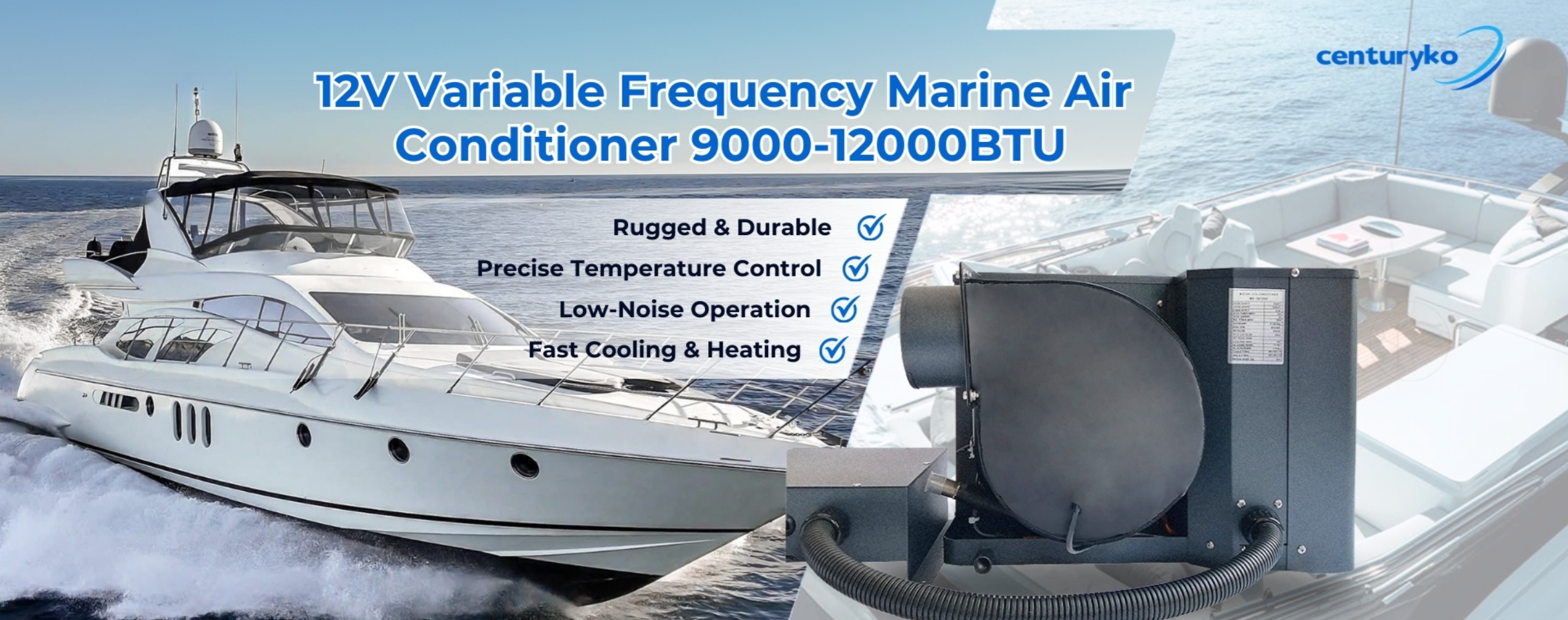
Operators used to installing standalone window units and shore‑power chillers are now moving toward systems designed at the vessel and fleet level. The comparison is blunt: legacy units rely on oversized compressors and intermittent shore power, while modern ecosystems prioritize efficient 12V architectures, inverter control, and smart thermostats that talk to fleet telematics. Early adopters in the Florida Keys and Gulf marinas report calmer passenger cabins and fewer generator hours after installing a 12v air conditioner marine solution that integrates with battery banks and onboard monitoring. NOAA’s long‑term sea surface warming trends have made reliable cooling not a luxury but an operational requirement for many charter and research fleets.
What next‑gen systems change about operations
Where once crews managed individual AC units, modern systems centralize control, harmonizing inverter-driven loads and prioritizing vessel power budgets. That reduces generator run-time and smooths peak loads on alternators and battery chargers. The industry terms matter here: heat exchanger design, compressor modulation, and BTU efficiencies now shape installation choices. For captains focused on uptime, these technical differences deliver fewer on-deck interventions and more predictable service windows.
Hands‑on benefits at fleet scale
Upgrades pay off across maintenance, comfort, and compliance. Consolidated systems cut parts inventories — fewer unique compressors and fewer off‑the‑shelf thermostats to chase. Passenger comfort rises because inverter modulation and micro‑controlled compressor speed prevent the on/off cycling that used to wake guests at night. Field technicians I spoke with in Gulf marinas emphasize one practical win: fewer salt‑water corrosion incidents when units are specified with corrosion‑resistant coatings and sealed heat exchangers. — That small detail saves days of downtime during high season.
Common mistakes captains and yards still make
Three patterns repeat: undersizing the electrical distribution for peak compressor draws, ignoring harmonic distortion from poorly matched inverters, and treating marine AC like household HVAC rather than a marine electrical subsystem. Installation teams that fail to integrate battery management and alternator output into the AC design often see fried alternator diodes and premature inverter failure. Proper engineering includes cable sizing, grounding strategies, and accounting for surge currents during compressor start—don’t skip that discipline.
Choosing the right hardware: criteria and alternatives
Decision logic should weigh three domains: electrical compatibility, corrosion protection, and serviceability. For low‑voltage vessels, 12V DC designs simplify integration with existing battery banks and solar arrays; a good example is the 12v dc marine air conditioner option that bundles corrosion-resistant casings with inverter-ready control. Legacy alternatives still exist — small hermetic packaged units or shore‑dependent chillers — but they demand different operational tradeoffs and greater maintenance overhead as fleets scale.
Installation checklist and common pitfalls
Do these steps: verify system BTU rating against cabin volume and heat load, confirm inverter harmonic specs match compressor motor type, and ensure accessible service panels for yearly coil cleaning and condensate management. Avoid squeezing compressors near engine rooms where heat soak will reduce efficiency. If you monitor fleet telematics, tie AC runtime into the same dashboard to spot anomalies early and schedule preventive maintenance instead of emergency repairs.
Advisory: three golden rules for fleet AC decisions
1) Prioritize system integration — choose units that speak to your power management and telemetry; that reduces unplanned generator hours and lowers lifecycle cost. 2) Demand marine‑grade corrosion protection and sealed heat exchangers — saltwater exposure is relentless and cheap parts fail fast. 3) Validate electrical compatibility: confirm inverter, alternator, and battery specs before purchase to prevent harmonics and surge failures. These rules focus on measurable outcomes: fewer service calls, predictable fuel use, and extended component life.
ZhuoliMarine offers units and design guidance that naturally fit into this approach — their corrosion‑resistant 12V solutions align with fleet power strategies and maintenance realities. Final thought — integration over patchwork; equipment chosen for the whole system, not just the cabin.