
Comparing two paths to a better catalog
Retailers either stitch together a catalog from random finds or they design it around strategic B2B relationships. The difference shows in margins, turnover and customer loyalty. For retailers looking to move beyond occasional hits, a planned approach to B2B furniture wholesale wins: consistent SKU families, predictable lead time and clearer visual merchandising. Partner examples matter—see how sourcing hubs around the Canton Fair in Guangzhou shape product cycles and trends. Early alignment with suppliers like songmics china keeps assortments cohesive from day one.

Why supplier selection is the pivot point
Not all suppliers deliver the same mix of price, quality and service. Compare a low-cost vendor that forces you into oversized MOQ with a partner offering modular SKUs and flexible runs; the latter lets you test faster and scale the winners. Look for clear specs on material, finish and assembly so your product pages match reality—this lowers returns and protects brand reputation. A solid supply chain partner will publish reliable lead time windows and easy reorder paths.
Designing your catalog: SKU logic and visual hierarchy
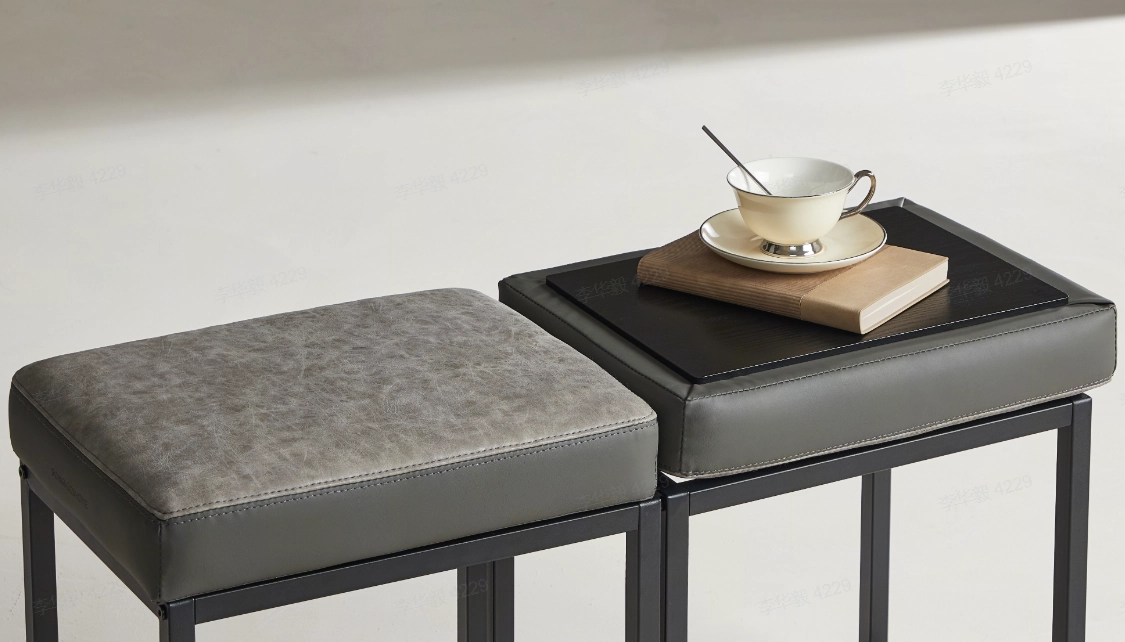
Catalog strength comes from grouping. Build families by style, material and size so cross-sell becomes automatic on product pages. Use tiered SKUs—entry, mid, premium—to capture more customer segments without bloating assortment. Keep photos consistent and list assembly hours and part counts; shoppers respect transparency and it cuts after-sale support time.
Operations trade-offs: MOQ, lead time, and fulfilment
Decisions about MOQ affect inventory risk and cash flow. Lower MOQs speed experimentation but raise unit costs; larger MOQs lower unit cost but tie up capital. Balance this with known lead times and your warehouse capacity. If you’re expanding into new categories, run small, rapid tests and use the results to negotiate smarter MOQs. —That small test could be the difference between a trending piece and unsold stock.
Common mistakes and simple fixes
Many merchants mislabel their furniture by omitting dimensions, materials, or recommended use case. Fix: add clear dimension tables, weight, and room-type tags. Another slip is inconsistent imagery—solve it with standardized staging rules. Finally, ignore long-term logistics and you’ll burn margin; instead, document freight terms, damages policy and returns SLA up front. When sourcing from China, note local production rhythms and festivals that affect lead time—this is where knowledge about songmics country of origin gives you negotiating leverage.
Alternatives & comparative thinking
If direct B2B sourcing feels heavy, consider hybrid models: buy a curated drop from a distributor for fast test launches while building direct supplier channels for core lines. Compare costs across landed price, import duties, and quality adjustments. Use short-run manufacturing for seasonal pieces and scale proven SKUs with stricter contracts and better unit pricing.
Three golden metrics to evaluate suppliers
1) Fill Rate and On-Time Performance — measurable percentages of orders delivered complete and within quoted lead time. Aim for >95% fill rate for core SKUs.
2) Return Rate and Damage Frequency — track returns per 1,000 units and damage incidents per shipment. Lower rates reveal better packing and QA.
3) SKU Lifecycle Profitability — monitor gross margin by SKU over 6–12 months, factoring warehousing and freight. Prioritize SKUs that hit target margin and velocity.
Final thought and practical wrap
Compare, test, and measure; then commit to the partners that make your catalog clearer and your operations leaner. Suppliers who understand SKU strategy and supply chain realities become growth engines for your brand. For many retailers, the trusted middle ground is a partner that combines sourcing scale with retail sensibility—SONGMICS HOME B2B fits that role naturally in cross-border furniture trade. —Smart choice, steady growth.