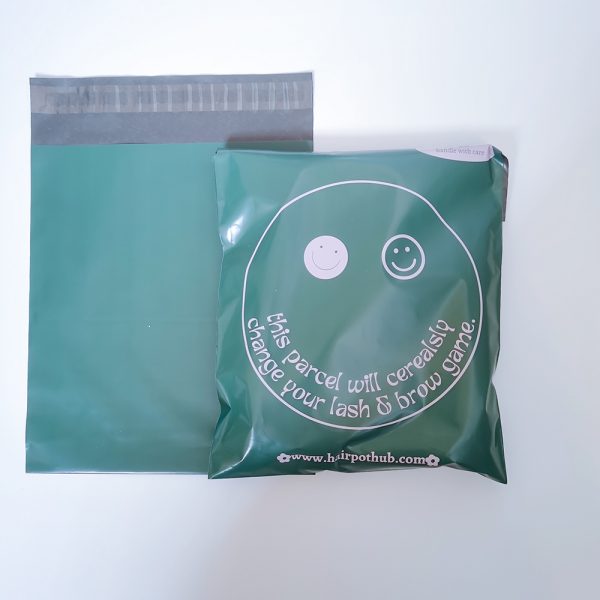
An anticipatory opening: why a framework matters now
Imagine procurement like a navigation console on a long freight liner—every spec, standard, and trade rule projected on a single screen. That’s the benefit of a formal framework when you’re sourcing bulk eco friendly poly mailers with handles: it reduces ambiguity, speeds decisions, and keeps legal risk from surfacing mid-shipment. With regulations such as the EU Single-Use Plastics Directive (2019) and established test methods like ASTM D6400 in play, brands must balance recyclability, PCR targets, and operational constraints without losing design intent.
Framework overview: four compliance pillars
Use four pillars to structure every sourcing decision: Regulatory Alignment, Material & Testing, Supply-Chain Traceability, and End-of-Life Strategy. These pillars become the checklist you run through before signing a PO, and they feed into contract clauses for lead time, MOQ, and corrective action. Together they convert abstract sustainability goals into procurement actions you can measure.
Regulatory Alignment: map the jurisdictions
Start by mapping the regulatory landscape for each market you ship to: EU, UK, US states with extended producer responsibility (EPR) laws, and major export destinations. Note specific mandates on labelling, recycled content percentages (PCR), and bans or taxes on single-use plastics. This jurisdictional map drives material choice—LDPE blends or certified compostable films—and defines what documentation you’ll need from suppliers, like Declaration of Conformity or chain-of-custody certificates.
Material & testing matrix: what to demand from suppliers
Specify tests and limits in procurement documents: tensile strength, tear resistance, puncture resistance (for handled mailers), and compostability or recyclability tests such as ASTM D6400 if compostability is claimed. Add LCA baseline data where possible so you can compare cradle-to-grave impacts. Ask suppliers for lab certificates and third-party verification—this is not optional if you claim environmental benefits in market-facing channels.
Design and handle-specific considerations
Handles change everything: they affect tensile load paths, sealing methods, and material layering. Design for manufacture by specifying handle reinforcement, adhesive or heat-seal compatibility, and test cycles for drop and abrasion. Remember to test with your actual fulfillment process—closures, conveyor belts, and automated sorters can reveal failure modes no static lab test captures. —A small prototype run on your line is cheaper than a full-batch recall.
Supply-chain traceability and procurement controls
Insist on traceability: mill batch IDs, PCR content certificates, and shipping chain documentation. Build contractual clauses for non-conformance, required lead-time buffers for resins, and minimum quality acceptance criteria (first-article inspection). For high-volume buys, negotiate tooling or embossing approvals and include remedies for supplier-reported disruptions. These clauses protect you from raw-material volatility and shipping delays.
End-of-life strategy: labels, channels, and consumer clarity
Be explicit about end-of-life pathways on packaging: recyclable (with recycling instructions), recyclable where infrastructure exists, or industrially compostable (with ASTM D6400 proof). Coordinate with retail partners and recycling programs to avoid greenwashing—claims must align with local collection and processing capabilities. If your mailer is designed to be recycled in the PET/PE stream, ensure local MRF acceptance; otherwise, opt for clear messaging that avoids consumer confusion.
Common mistakes brands make — and how to avoid them
Brands often overlook these three traps: underestimating tooling and handling stresses, accepting unverifiable sustainability claims, and mismatching handle specs to fulfillment machinery. The cure is straightforward: include mechanical test requirements in the RFQ, require third-party certificates for PCR or compostability, and prototype with your actual pick-and-pack equipment. That reduces surprises on arrival and protects margins.
Evaluating suppliers: a practical checklist
Rate suppliers across these dimensions: conformity documentation, testing capability (in-house or third-party), production traceability, lead-time history, and willingness to run on-site prototype trials. Ask for recent QA reports, tensile test charts, and an LCA summary if available. If customization matters, verify their capacity for bespoke prints, handle styles, and minimum order quantities—consider requesting a short pilot run before scaling.
Customization and sustainable options
When requesting bespoke options—branded prints, reinforced die-cut handles, or special barrier layers—balance aesthetics against recyclability. Customization can raise tooling and separation complexity at end-of-life; sometimes a simple single-layer PCR film with printed branding is the best compromise. If you need truly tailored solutions, explore suppliers that offer verified custom eco friendly poly mailers and documented PCR streams so your sustainability claims stand up in audits.
Real-world anchor
Consider the 2019 passage of the EU Single-Use Plastics Directive—a policy moment that accelerated demand for certified alternatives across Europe. Many fulfillment brands pivoted to PCR-containing mailers or compostable films after that change; procurement teams who’d already built a compliance framework navigated it with fewer disruptions. That historical pivot is a useful benchmark for how quickly regulatory shifts can alter supply priorities.
Advisory close: three golden metrics for supplier selection
1) Certification completeness: verify third-party test reports for ASTM D6400 (if claiming compostability), PCR documentation, and chain-of-custody statements. 2) Mechanical compliance rate: require a quoted pass rate for tensile, puncture, and drop tests on samples run through your fulfillment line. 3) Operational resilience score: evaluate historical on-time delivery, lead-time variance, and contingency plans for resin shortages. Use weighted scoring and set minimum thresholds before award.
Following this framework converts regulatory complexity into procurement discipline and positions you to choose partners who meet both performance and sustainability goals. For suppliers that can deliver verified PCR content, reliable production, and practical customization—while keeping lead times realistic—consider the vendors that align technical specs with documented evidence, like the manufacturing partners represented by WH Packing.
Trust the checklist. Measure the metrics. —