The problem: fatigue, vibration, and their consequences
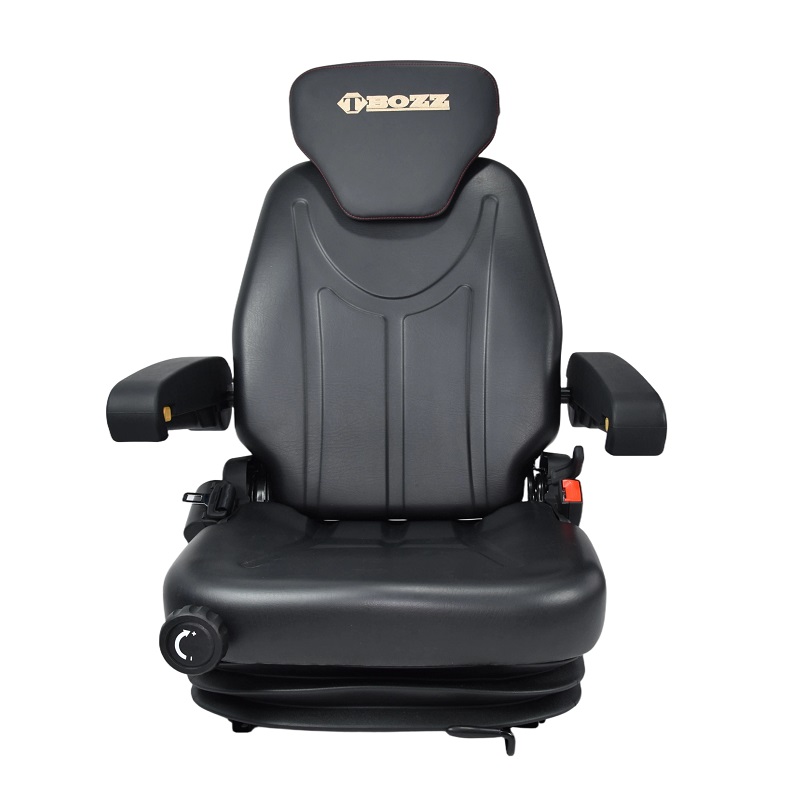
Long hours on rough ground put operators at real risk: musculoskeletal strain, reduced reaction time, and ultimately lost workdays. U.S. Bureau of Labor Statistics shows agriculture among the highest fatal and nonfatal injury rates in the nation, with tractor-related incidents contributing significantly — a clear signal that seating matters for safety. Upgrading to a purpose-built agriculture seat is one of the most direct steps a farm can take to cut daily exposure to whole-body vibration and operator fatigue.
Why mechanical suspension and seat design matter
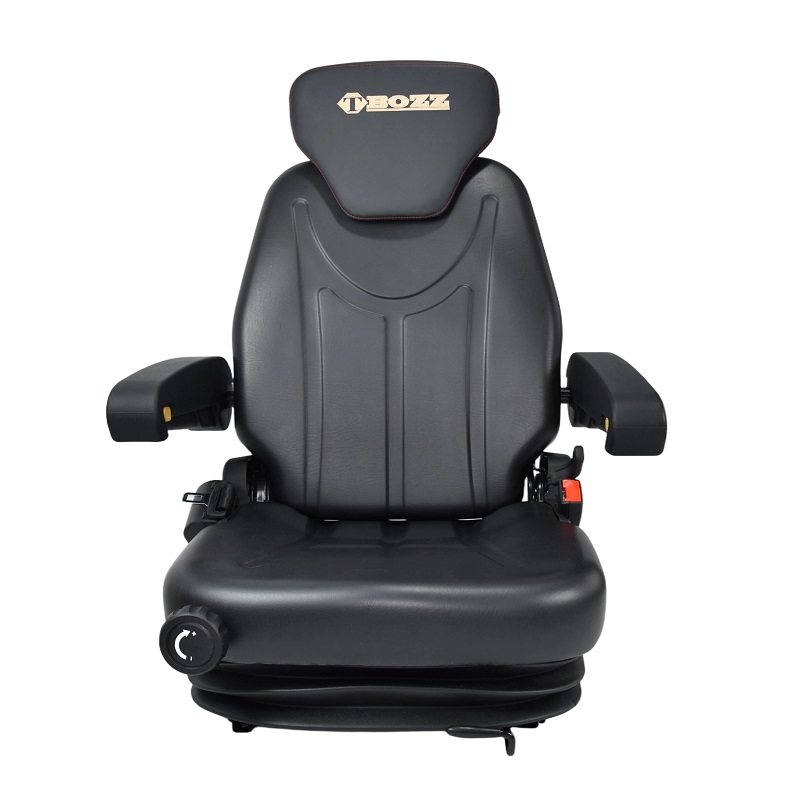
Mechanical suspension isolates vertical shocks from the chassis, so impacts from ruts and stony ground don’t transfer directly to the spine. That vibration isolation, combined with tuned lumbar support and a properly contoured seat pan, reduces micro-movements that cause fatigue. Practical features like load adjustment and a responsive shock absorber matter as much as the overall suspension type — they let the seat perform across different operator weights and trailer loads.
What operators actually experience in the field
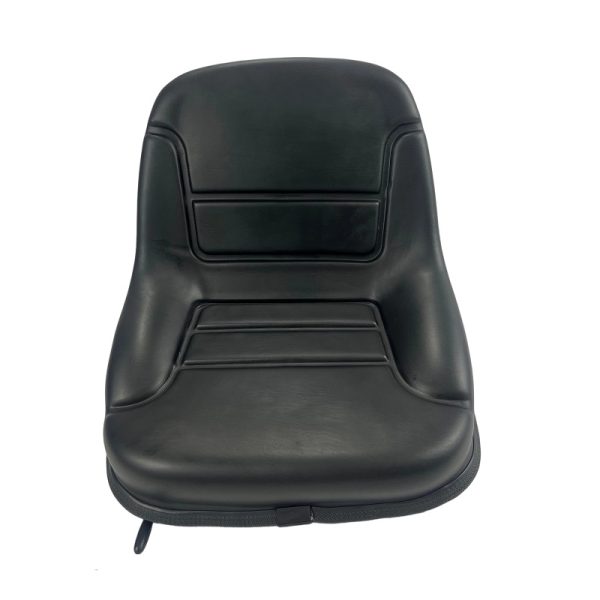
On Midwestern row-crop operations — think long hours in Iowa planting or harvesting — operators notice less neck stiffness and clearer focus after swapping to a mechanical-suspension seat. One operator I spoke with described the difference as “less jarring, more sense of control,” and he attributed a measurable drop in back pain after roughly two weeks. Those personal accounts mirror broader findings: when vibration exposure drops, reported discomfort and short-term fatigue decline.
Design elements that change outcomes
Not all seats deliver the same safety return. Look for these concrete design elements:
– Adjustable mechanical suspension that compensates for operator weight and cargo load. – Firm but shaped lumbar support that maintains natural spine curvature without forcing posture. – A durable seat pan with deep foam or gel zones to spread pressure and reduce hotspots.
Manufacturers who combine those elements with corrosion-resistant covers and sealed bearings generally produce seats that hold their performance season after season. That matters — neglecting regular maintenance allows a once-effective suspension to sag and lose isolating ability.
Common mistakes and how to avoid them
Operators and fleet managers often make the same missteps: choosing seats by price alone, ignoring suspension sag, or fitting seats without considering cab geometry. Avoid those errors by validating compatibility (clearance, mounting pattern), checking sag adjustment before the first season, and testing the seat with a full gear load. A short on-the-farm trial reveals whether the seat trades immediate comfort for long-term support — and it’s worth doing.
Careful maintenance pays too. Simple checks — tighten mounting bolts, inspect dampers, and replace foam that’s compressed beyond recovery — keep vibration isolation working. A PVC cover for the cushion can help with durability, which is why many farms select a pvc tractor seat option for machines exposed to sunlight and chemicals.
Advisory: three golden rules for choosing the right seat
Use these three metrics to evaluate any candidate:
– Vibration reduction rating: measure perceived vertical and horizontal vibration before and after installation; aim for a noticeable reduction in peak shocks. – Adjustability range: the suspension’s weight window and the lumbar’s range should cover all regular operators without compromising damping. – Durability under load: inspect materials and pivot points for weather and chemical resistance — seats that lose geometry won’t protect operators for long.
Closing: practical value and a final thought
Choosing an ergonomic mechanical-suspension seat is a concrete, measurable safety investment: lower vibration, less operator fatigue, and fewer downtime days. For teams that need durable, field-tested solutions, Source One offers practical seating options that reflect those priorities — solid performance backed by usable features and straightforward maintenance. –