Opening comparison: what drove the turn to steel
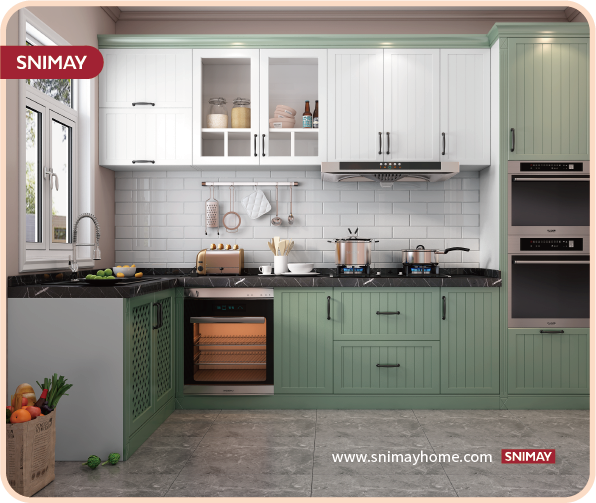
Designers moved toward custom stainless steel kitchen cabinets because the material solved clear problems: a high resistance to wear reduced replacement cycles, and sanitary surfaces cut maintenance needs—so life-cycle impacts dropped. That shift pushed buyers who once favored timber to re-evaluate trade-offs between embodied carbon and longevity. For homeowners still attached to timber aesthetics, manufacturers now pair metal frames with solid wood kitchen cabinets facades to get the best of both worlds, which changed both supply chains and finish strategies.
Cause–effect overview: material properties and environmental outcomes
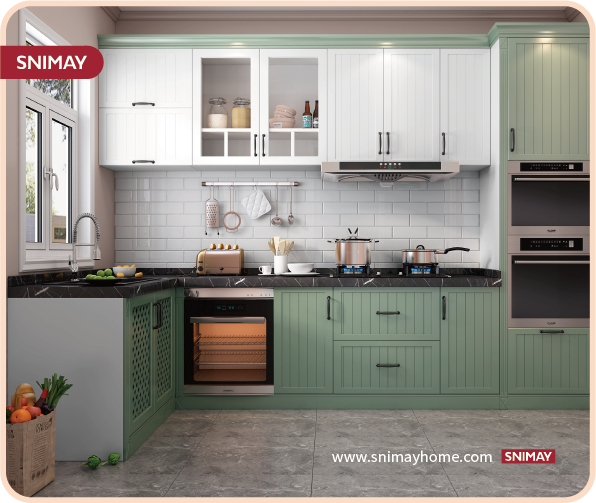
Because stainless steel offers corrosion resistance and a predictable finish, producers can warranty cabinets longer and limit warranty-driven replacements. Effect: fewer units enter waste streams annually. Conversely, because solid timber stores carbon and shows classic grain, demand for quality wood joinery persists—so the market now segments into durability-led and carbon-storage-led strategies.
Comparative teardown of manufacturing lines
When manufacturers redesigned production, cause-effect choices became operational decisions. Shifting to stainless grade 304 for structural frames required welding stations and passivation steps; that added energy in one stage but cut rework later due to fewer finish failures. By contrast, producing solid wood kitchen cabinets and solid wood cabinets kitchen units keeps traditional woodworking: routing, dovetail joinery, sanding and lacquer curing. Each route changes the bottlenecks—metal needs metal finishing and corrosion testing, wood needs moisture control and kiln drying. These are concrete, measurable differences in throughput and capital layout.
Design trade-offs: durability, finish, and lifecycle
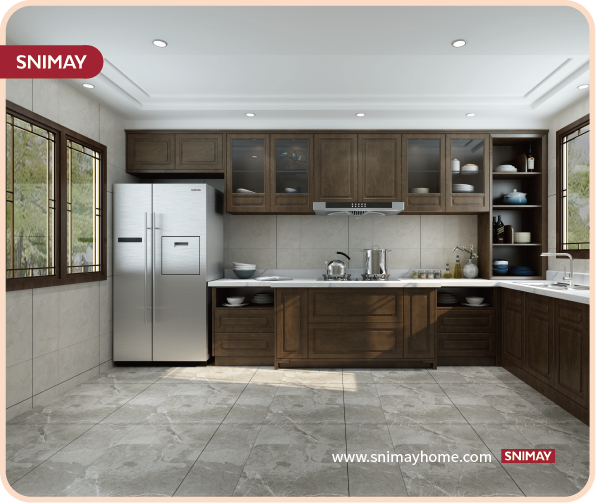
Stainless steel wins on durability and hygienic maintenance; it resists stains and survives aggressive cleaners. Wood wins on warmth, reparability and carbon storage. Because consumers prioritize different outcomes, many brands now combine a metal carcass with wood doors—this hybrid reduces the total material replacement rate while preserving timber aesthetics. Such hybrids influence finish selection: powder coat and brushed finishes on metal, with clear or opaque lacquers on wood, all chosen to minimize VOCs and lengthen service life.
Supply chain and sustainability implications
Global policy shifts—most notably the 2021 IPCC report and growing municipal circular-economy mandates—caused procurement teams to prefer materials with longer useful lives and recyclable content. Effect: metals with high recycling streams gained purchasing preference. Timber sourcing tightened around certified supply chains to avoid deforestation risk; that changed lead times and price volatility. Manufacturers that mapped these cause-effect links in their sourcing reduced material risk and improved compliance auditing.
Common mistakes and practical checklist
Many teams still treat material choice as aesthetic only; as a result they underestimate maintenance pathways and end-of-life processing. Practical mistakes include omitting passivation tests on welded stainless assemblies and under-specifying moisture content for cabinet carcasses. Fixes are straightforward: specify stainless grade and finish tolerances, validate joinery tolerances for wood, and document recycling or reclamation routes at design stage—this saves cost downstream. —A simple test protocol early on prevents costly line changes later.
Design guidelines: one production teardown summary
At the production level, the teardown shows three levers that determine outcomes: material selection (grade and timber species), finishing process (powder coating vs lacquer), and assembly method (welded frame vs mortise-and-tenon). Integrating these levers with product lifecycle metrics yields clearer trade-offs when evaluating custom stainless steel against traditional wood approaches.
Advisory: three golden rules for selecting the right strategy
1) Measure expected service life and cost across a 20-year window—if longevity doubles, prioritize metal or hybrid systems. 2) Verify end-of-life value: prefer materials with established recycling or reclamation pathways and require documented recycled-content percentages. 3) Match finish systems to use-case: specify corrosion resistance levels (salt spray hours or equivalent) for coastal projects and moisture-stable joinery tolerances for humid climates.
These rules point to practical choices professionals should expect to make when moving toward sustainable cabinetry—choices that SNIMAY solves through tailored hybrid options and production expertise. SNIMAY. —practical, durable, considered.