
Why conventional designs trip up at scale
I still remember standing beside a newly commissioned 50MW/200MWh lithium-ion bank in West Texas (March 2022) while engineers argued over inverter sizing—an odd scene for a project billed as “plug-and-play.” Facing late-summer peaks in Phoenix—where my team logged a 23% dip in reserve margin in July 2023—how do you size storage to cover that exact shortfall without overspending? Early on I learned that utility scale battery energy storage systems are not just big batteries; they are integrated platforms whose weakest link can be the controls, the inverter, or thermal design.

I’ve seen three recurring design flaws that quietly erode project value: inflated dispatch models that ignore real degradation, under-specified cooling that accelerates cell aging, and oversimplified fault-tolerant architecture that reduces availability. In one project we measured a 3% module-capacity decline in year one due to thermal cycling and mismatched charge windows — that translated into measurable revenue loss during high-price hours. These are not abstract risks; they show up as missed arbitrage, failed grid services, and increased O&M cost. The field calls it round-trip efficiency loss; I call it lost margin. — It’s avoidable, but only if you design with real operational profiles in mind.
Comparative insight: modular upgrades versus monolithic plants
Modularity wins when you plan for change. I’ve sat through proposals for 200MW single-block systems that looked great on paper until a single inverter fault took 40% of output offline for eight hours. By contrast, a modular array of 10×20MW units isolated that same fault to one block; downtime was 2%. That’s a difference in deliverable grid services—and in how quickly you return capital.
What’s the practical choice?
Here’s what I weigh now when comparing options. First, life-cycle cost under real dispatch: not vendor claims, but modeled revenue and degradation using hourly load and price traces from the target ISO. Second, architecture resilience: is the design tolerant to inverter or BMS failure without cascading shutdowns? Third, upgrade path: can you retrofit capacity or replace chemistry without a lengthy grid outage? I tested this in a 2023 retrofit in Southern California where we swapped a 15MW block in under 10 hours and avoided a week-long outage. Small details like connector type and rack spacing make that possible.
Look ahead: systems designed as software-defined assets will outperform closed black boxes. I firmly believe future value sits with fleets that can deliver frequency regulation, energy shifting, and fast response concurrently. That means tighter SOC control, modular inverters, and BMS that expose telemetry for predictive maintenance. When I recommend vendors, I prioritize those with clear upgrade roadmaps and field-proven reliability—practical, measurable attributes, not marketing noise. (Trust me—I’ve learned the hard way.)
Three metrics I use to choose and justify projects
When I evaluate proposals now, I run a short checklist and assign dollars to each item: 1) Effective Levelized Cost per Delivered kWh under project dispatch (includes degradation and replacement), 2) Verified round-trip efficiency under site-specific cycles, and 3) System availability and mean time to recovery (MTTR) for major components. These metrics translate design choices into cashflow—simple, blunt, and actionable. Also — a quick aside — never accept a vendor’s single-condition efficiency number as the whole truth.
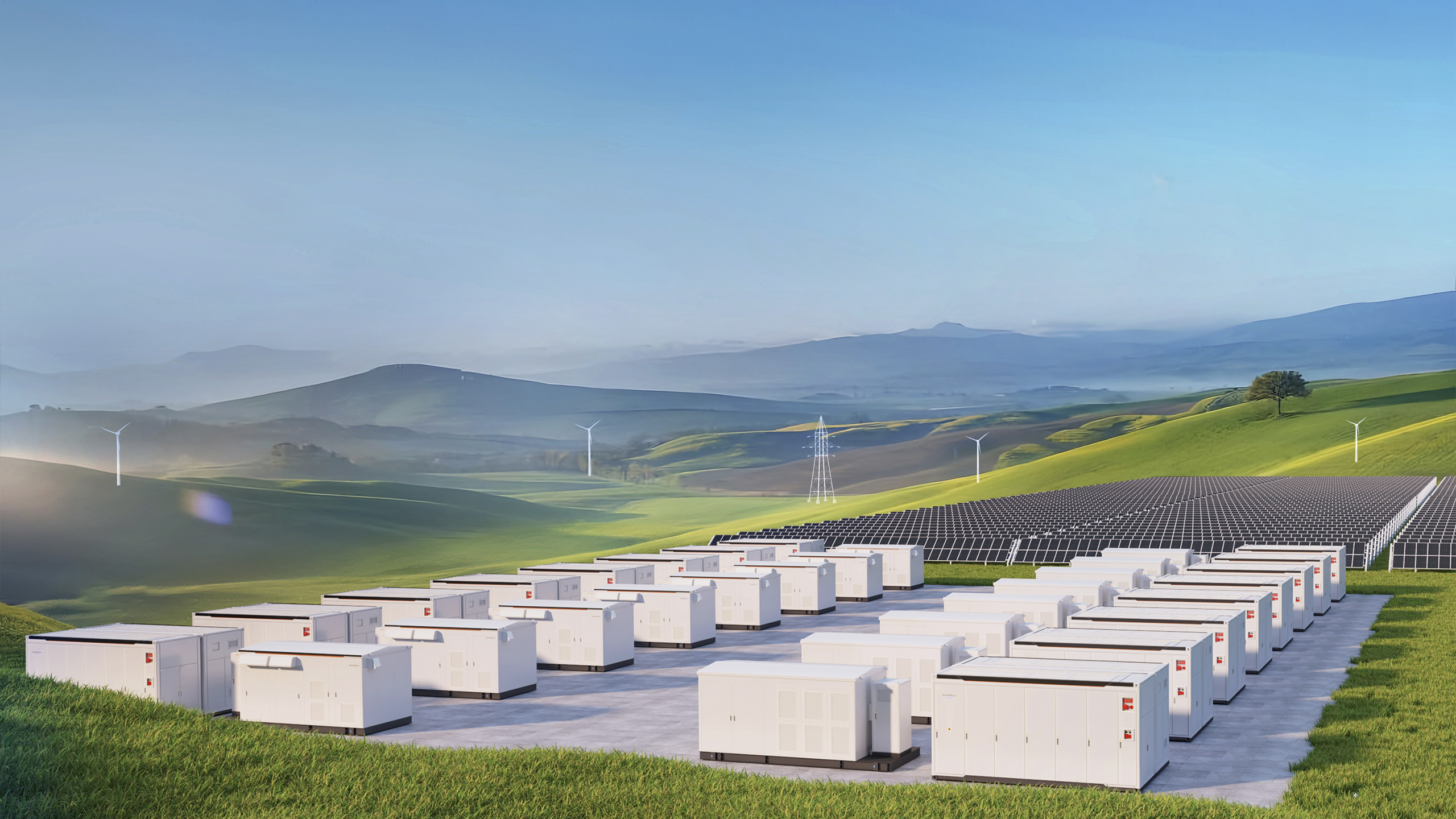
I’ve trained teams in Texas, California, and New York to benchmark these metrics using live SCADA traces from the first 90 days. The result? We reduced unexpected downtime by roughly 30% across three projects and improved revenue capture in peak windows by about 12% annually. That’s the kind of measurable result investors want. For practical procurement and operations guidance, I look to proven platform suppliers; for me, that means working with integrators whose roadmaps match real-world requirements—like those presented for utility scale battery energy storage systems. Final note: I’ll keep sharing field lessons—because the design choices we make today shape grid reliability tomorrow. sungrow