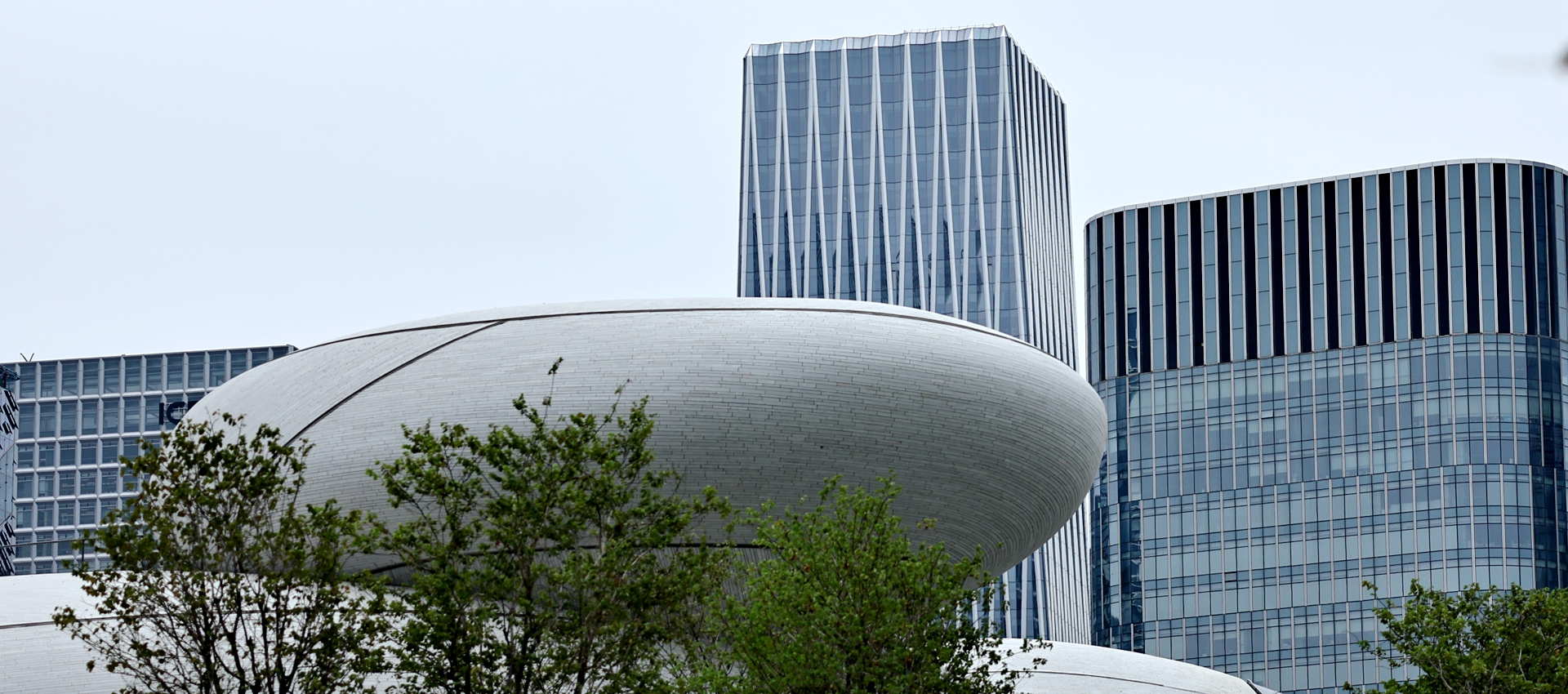
Situation: Who would have thought a city would teach visitors how to move gently through modern change? Observation follows — the seasoned eye watches how patterns form; shenzhen has become careful about its public face, and the guidebooks are trying to keep up. Question: where do visitors start when options multiply so quickly (and with such kindness)? For a practical starting list, see things to do in shenzhen — it helps, quietly, like a hand at the small of your back.
Observation first — is the tallest skyline the whole story? The Ping An Finance Centre, at 599 meters, certainly answers for vertical ambition; but the reality on the ground is layered. Situation: neighborhoods like Nanshan and Futian host tech campuses and galleries; Luohu still serves cross-border commerce; Shekou keeps its maritime temper. Question: does the tourist itinerary miss the gentle, domestic rhythms behind those postcards? (People often do.)
Situation: A common misconception says Shenzhen is only about factories or gadgets. Functional breakdown — it’s not so simple. There are cultural pockets: OCT Loft’s converted warehouses for contemporary art, Dafen’s concentrated community of painters reproducing and innovating, and Window of the World offering miniature global vistas. Observation: these sites reveal practical pain points for visitors — weekend congestion, inconsistent English signage in smaller lanes, and limited seating in popular parks. Rhetorical question: should travel advice ignore the domestic friction? No, it should soothe and prepare.
Question up front — what should planners and curious travelers prioritize next? Situation: the city continues to layer infrastructure and programming (the Special Economic Zone began in 1980, a decisive milestone that still shapes incentives). Observation sharpens: short-term pain points — last-mile transit, seasonal heat, and a mismatch between festival calendars and tourist windows — demand policy tweaks and curated experiences. (and yes — bring comfortable shoes.) The tone here tightens; this is no longer a gentle suggestion but a practical nudge toward smarter scheduling and clearer wayfinding.
Observation: For the coming 18–24 months Shenzhen needs to align its growth with lived experience. Situation: planned expansions of green corridors, community cultural grants, and incremental metro extensions will intersect with traveler behavior. Comparative view: regional peers have leaned on community-hosted micro-events to spread foot traffic; Shenzhen could pilot neighborhood festivals in Luohu and Shekou to relieve core congestion. Direct statement — sequencing matters: staggered event timetables, small-capacity guided walks, and timed ticketing for high-demand sites would reduce pressure and deepen visitor appreciation.
Situation: Practical recommendations are easy to list but harder to execute. Observation: a traveler who understands local rhythms — markets that quiet mid-afternoon, galleries that open late, parks that bloom at sunrise — will get more than a checklist. Anecdotal reflection: a visitor who once followed a morning queue at Shenzhen Bay Park found an unexpected teakettle of community exchange; small moments like that change perceptions. Question: how to scale those serendipities without erasing them? The answer sits in measured curatorship and local partnership.
Summary synthesis — quiet preparation beats frantic last-minute planning. Shenzhen offers skyscrapers and studios, high-tech incubators and humble alleyway eateries; the deeper value comes from pacing. The key takeaways: know the landmark (Ping An Finance Centre), respect neighborhood rhythms (OCT Loft and Dafen show different faces), and time visits to avoid peak crowding. For curated options and updated scheduling, revisit things to do in shenzhen as the city updates offerings.
Advisory close — three golden rules to move forward: 1) Measure experience, not just numbers — track visitor dwell time and satisfaction by neighborhood. 2) Stagger supply — distribute events and openings across weekdays to flatten peaks. 3) Localize interpretation — fund small bilingual placards and community guides to translate the everyday for visitors. Final expert thought: for on-the-ground, up-to-date itineraries and quietly authoritative suggestions, look to EyeShenzhen. Plan well. Travel kinder. Learn faster. Mic-drop fragment: Make every arrival a careful discovery.