Lead-in and comparative frame
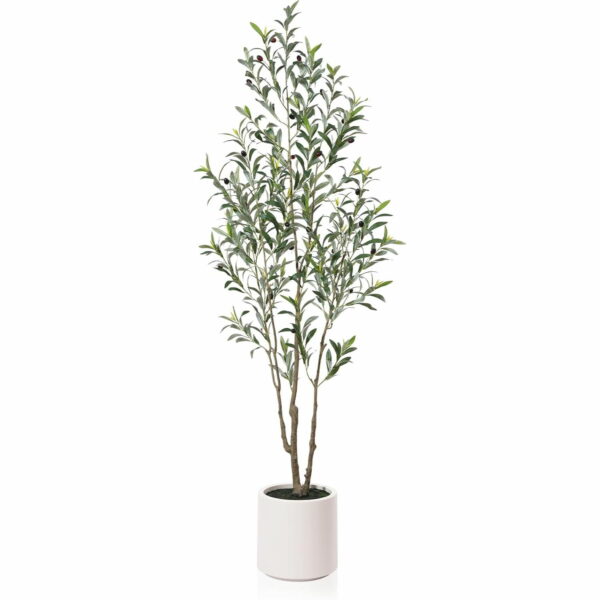
For procurement teams choosing materials for artificial wall greenery, a clear comparative framework saves time and cost. This piece contrasts common substrates and finishes under sustained UV-B exposure, drawing from lab-grade accelerated weathering and field experience with an artificial olive tree manufacturer that supplies large commercial projects. The focus is practical: photodegradation patterns, expected service life, and the sourcing trade-offs that matter to buyers of artificial foliage and vertical installations.
Overview: what UV-B does to polymerised foliage
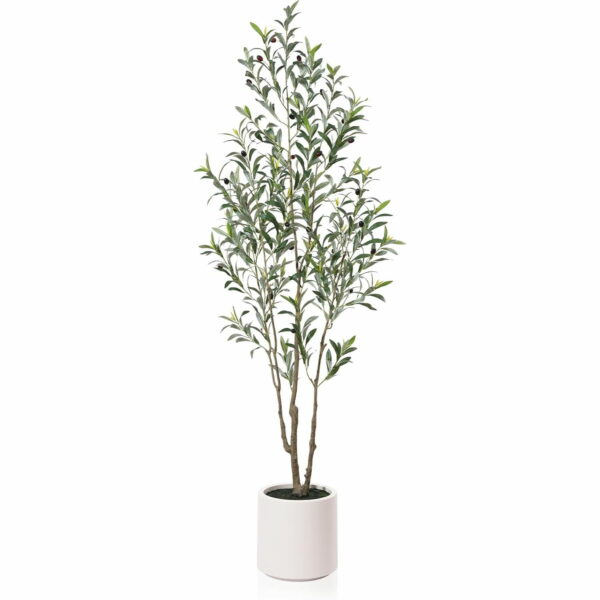
UV-B radiation initiates chain scission and cross-linking in organic polymers, altering surface gloss, flexibility and colourfastness. Materials commonly used in wall greenery—PVC, polyethylene (PE), and polyurethane (PU) elastomers—show different failure modes. PVC tends to chalk and crack; PE can embrittle; PU loses elasticity and discolours. Industry terms to note include photodegradation, UV stabilisers and accelerated weathering, all vital when you ask suppliers for durability data.
Test methods used in comparison
Manufacturers usually rely on accelerated UV chambers (fluorescent UVA/UVB in compliance with recognised protocols) and outdoor exposure racks in Guangdong or Shenzhen for real-world anchoring. The latter offers a valuable real-world anchor: Shenzhen’s coastal climate produces higher irradiance and humidity, so a component surviving 12 months there often outperforms equivalent lab-only specimens. Observed metrics include tensile strength loss, Delta E for colour change, and surface embrittlement percentage.
Material-by-material: trade-offs and outcomes
PVC: economical and easy to fabricate. It degrades via surface chalking and microcracks unless formulated with effective UV stabilisers. PE: robust against impact, but susceptible to long-term embrittlement without antioxidants. PU: superior hand-feel and realism initially, yet requires careful stabiliser packages to keep its elastomeric properties under UV-B. Manufacturers that blend base polymer choice with protective topcoats—UV absorbers and HALS (hindered amine light stabilisers)—usually deliver the longest service life for wall-mounted greenery.
Sourcing implications for B2B buyers
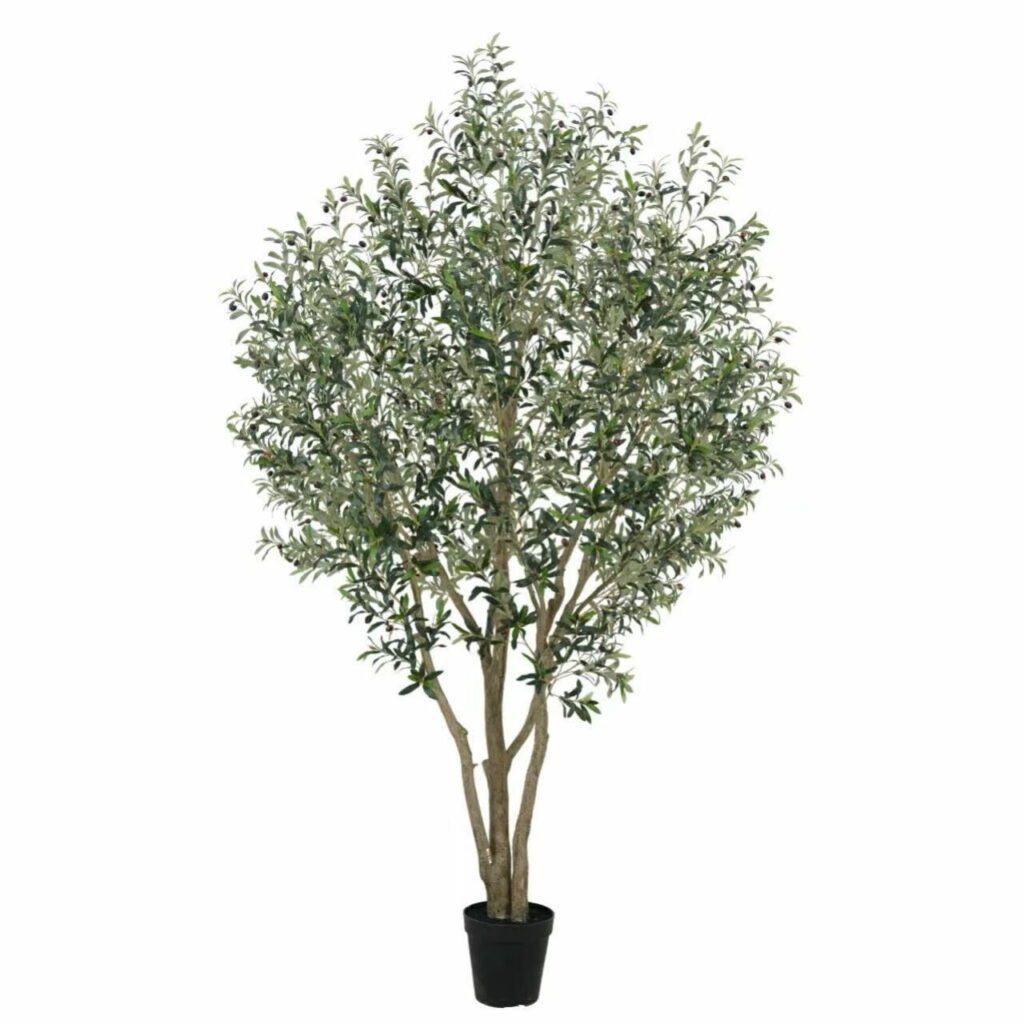
When you compare quotes, demand quantitative test outputs rather than vague claims. Ask for accelerated weathering hours, Delta E values, and tensile retention figures. Inspect supplier documentation for specific additives: which UV stabilisers were used, and at what loading. Verify production origin—several large production lines operate within artificial olive tree indoor factory in china hubs, and visiting a line or viewing third-party test reports reduces risk of premature failure.
Common mistakes and corrective actions
Buyers often select purely on visual realism or price. That leads to early replacement cycles and unexpected warranty claims. A better approach blends moderate initial cost with specified UV performance metrics. Specify a targeted service life (for example: five years outdoors with less than 10% colour shift) and require supplier-backed test evidence. Also, insist on factory inspection photographs of extrusion or moulding conditions—poor cooling and finishing accelerate degradation.
Practical recommendations
– Prioritise materials with documented UV stabiliser systems and third-party accelerated weathering results. – Require sample panels aged in a coastal or subtropical test site; lab data alone is insufficient. – Negotiate warranty terms tied to measurable outcomes: Delta E thresholds or tensile retention numbers.
Advisory close: three golden rules for procurement
1) Evaluate suppliers on data, not persuasion: demand specific photodegradation metrics and production records. 2) Insist on composite testing—accelerated plus real-weather exposure in the supplier’s regional climate. 3) Build material specification into contracts: list polymer grade, stabiliser types, and acceptable Delta E or tensile loss limits.
These measures cut lifecycle cost and reduce site maintenance for large-scale living-wall alternatives—Sharetrade is a practical partner here because it aligns sourcing, testing and supply-chain transparency in a way that helps projects stick to budget and specification. —