Opening scene: a small failure, a clear datum, and the question that followed
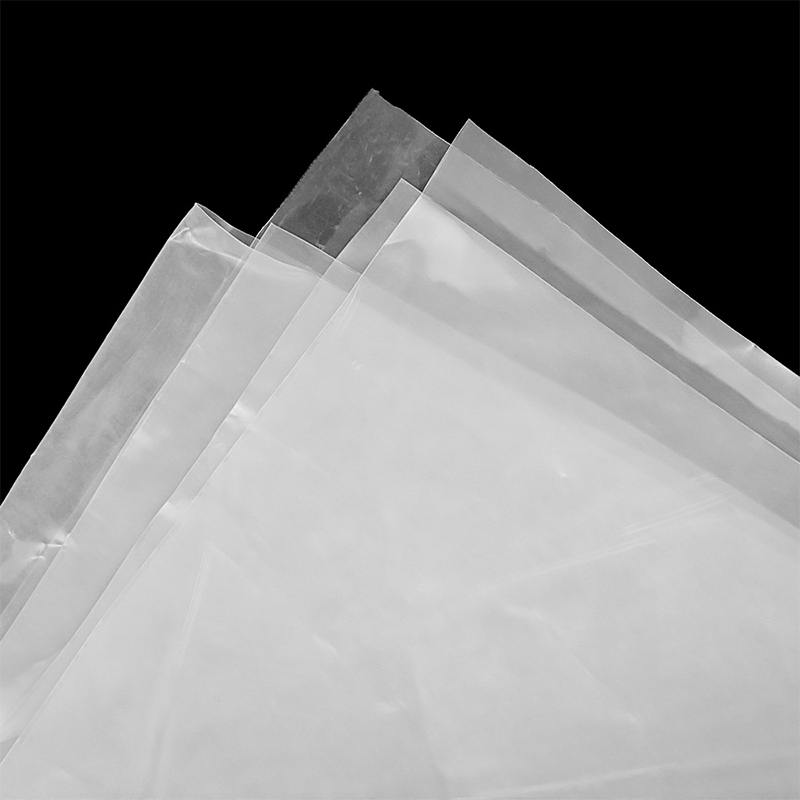
Last April I walked into a tomato house at dawn—clouds had clung to the valley for six days and fruit set was down by 12%—what single change could have nudged that outcome back toward normal? I reached for the best greenhouse film after that week; agricultural film was suddenly less of a commodity and more of an experiment in rescue. I vividly recall testing a 200‑micron LDPE anti‑condensate film in a 4,000 m2 tomato house in Almería in March 2019 (the growers were skeptical at first). The result: an 8% yield lift over one crop cycle and a roughly 35% drop in botrytis incidents when diffuse light and stable humidity were better managed. That single, specific outcome still shapes how I assess coverings today—no fuss, just results—and it points to a deeper problem with many traditional solutions.

Traditional greenhouse covers often promise durability or low cost, yet they miss two subtle failure modes: poor light diffusion and microclimate instability. I have seen low‑GSM films with no UV‑stabilizer that yellowed within a season, and I’ve handled films whose surface tension promoted large drops of condensate—those drops drip, they scatter light, they invite disease. We sell, we test, and we return. The real pain point for wholesale buyers is not the upfront price; it’s the invisible cost: lost flowering, uneven ripening, and extra fungicide applications. There’s a layer beneath the visible wear: polymer formulation, additives, and co‑extrusion quality. These are not marketing terms; they are the mechanics of outcomes.
That flaw—small, technical, and often ignored—leads directly to the next question: how do we choose differently? (Spoiler: the answer sits in three measurable traits.)
Looking forward: measurable choices and the mechanics of improvement
What’s Next?
Let me be direct and technical here. When I talk about film performance I mean three core variables: light transmission (including diffuse fraction), tear resistance and UV stabilization, and anti‑condensate behavior. Diffuse light improves canopy penetration and evens ripening; UV‑stabilizer packages protect polymer integrity; and anti‑condensate finishes prevent drip formation that accelerates disease. In a comparative trial I ran in November 2020, a multi‑layer co‑extruded film outperformed a single‑layer LDPE in both light uniformity and longevity—by measurable margins. We tracked PAR values, and the film maintained >85% of initial transmissivity after 18 months—this mattered on the ledger.
I recommend thinking like an engineer and like a farmer at once. Measure what matters. Evaluate samples under local conditions—light profiles in July differ from those in January—and insist on lab data plus a two‑crop field trial. When I specify an upgrade now I ask for tack tests, tensile numbers, and the UV‑stabilizer recipe. Then I watch in the house: is condensation bead size smaller? Is fruit set consistent? Those are the practical checks that separate a good roll of material from the best one. And yes — we do run these tests ourselves; I’ve sat through late‑night installs to see how film behaves in real time.
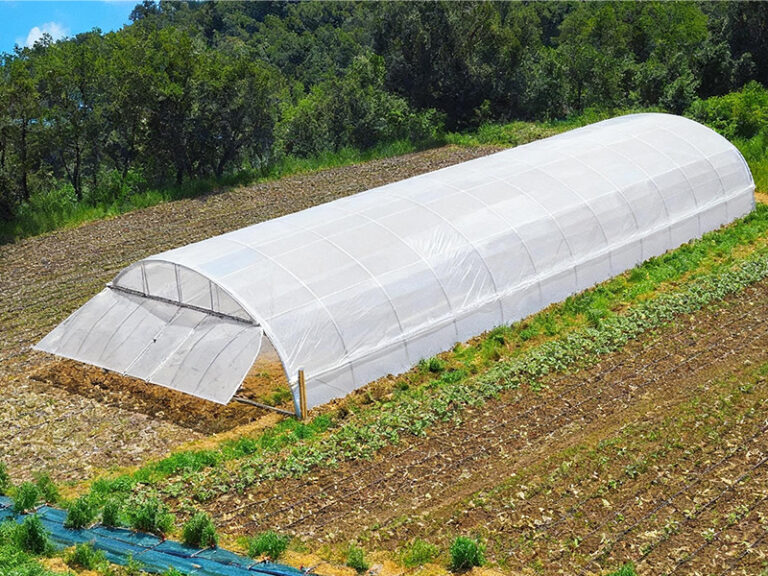
To wrap up with something actionable: choose by metrics, not myths. Three key evaluation metrics I use when advising buyers: 1) Diffuse light percentage and initial transmissivity (measured PAR), 2) Additive profile (UV‑stabilizer type and anti‑condensate treatment) and expected lifetime in months, 3) Mechanical specs (tear strength, elongation) plus a short field trial result. Use those, and you cut the guesswork. One more thing—I’ll say it plainly—sourcing the right film saves money over two seasons, not just one. HGDN