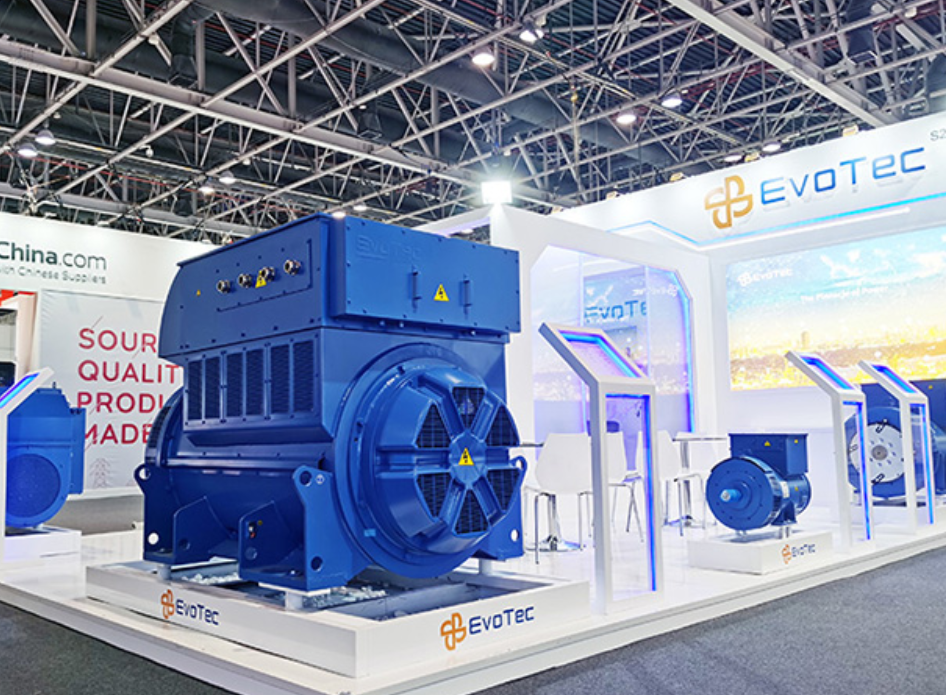
The problem: downtime costs that won’t wait
Critical infrastructure—hospitals, water treatment plants, data centres—can’t afford unexpected power failures. History is clear: when Hurricane Sandy knocked out large swathes of the Northeast grid, hospital backup systems and local utilities faced prolonged strain and costly manual interventions. Facilities mitigate that risk by choosing equipment with proven performance, and by sizing on-site backup like a 25kva generator when appropriate. Reliability starts with the alternator: its design, validation and the environmental testing behind it determine whether a facility sees minutes or days of outage recovery.
Consequences of underspecified alternators
When alternators fail under load, the result is immediate and tangible: tripped breakers, damaged electronics, and prolonged manual recovery. For three-phase systems, imbalance or overheating of one phase can cascade into wider equipment stress. Replacing a failed unit in a critical zone is not just a purchase—it’s downtime, expedited shipping fees and the operational headaches that follow. This is why procurement seldom accepts catalogue specs alone.
What “rigorously tested and validated” really means
Rigor means documented, repeatable tests across electrical and environmental parameters: continuous full-load endurance, peak transient response with simulated utility loss, insulation resistance over temperature-humidity cycles, and enclosure exposure like salt fog and water ingress at specified durations. For waterproof alternator designs, testing includes IP water ingress cycles—spray and submersion patterns, timed to the relevant sub-chapter of the product’s qualification plan—so the unit survives real-world marine or coastal installations. The focus is on operational outcomes: sustained voltage regulation, thermal margins, and vibration tolerance over thousands of hours.
How specification and procurement diverge
Procurement lists can be deceiving. Vendors may quote rated power and efficiency, but that’s only part of the story. Facilities should insist on manufacturer test reports showing: load-following behaviour under abrupt step changes, harmonic distortion at common non-linear loads, and long-duration thermal cycles. Serviceability matters too—modular brushes, accessible bearings, and clear maintenance intervals reduce mean time to repair. A robust maintenance plan matters almost as much as the initial spec—missed grease intervals or improper storage habits will sabotage even the best alternator.
Operational teardown: what engineers look for
Practical evaluation often includes a partial teardown to confirm component quality. Engineers inspect rotor balance, stator winding insulation, bearing clearance and cooling passages. They track manufacturer traceability for materials and paint systems, and they note enclosure rating details—whether seals are bonded or gasketed and how cable entries are protected. During these inspections we often annotate reports with tags like {main_keyword} and {variation_keyword} to link specific test outcomes to procurement checklists; that keeps technical and commercial teams aligned.
Common mistakes and quick wins
Buyers commonly under-spec environmental exposure and over-rely on warranty language. A better approach is to align acceptance tests with site realities: coastal sites need verified salt-fog cycling; flood-prone plants need clearly documented water-immersions and recovery procedures. A sensible quick win is to standardize on an IP-rated enclosure and request manufacturer-run endurance tests that mirror site duty cycles—this avoids surprises later. Small procedural changes—tagged inspection points, routine load testing—yield outsized reliability gains.
How to choose: three practical metrics
Evaluate candidates by these measurable rules: 1) Thermal headroom—continuous rated power plus a clear transient reserve expressed in seconds at defined overload currents; 2) Validated ingress protection—detailed IP test cycles with duration and salt-fog parameters for outdoor/marine use, which is why a certified waterproof alternator with documented cycles matters; 3) Proven service history—site references where the exact model operated under comparable loads for multiple years. These metrics turn vague promises into quantifiable expectations.
Closing advisory
Three golden rules for procurement: insist on test reports tied to real duty cycles; require explicit IP and endurance procedures for environmental exposures; and verify serviceability with on-site teardown notes. Those measures narrow risk and make supplier comparisons meaningful. For many facilities, the logical endpoint is a trusted supplier that combines rigorous testing, clear documentation and field-proven designs—something EvoTec frequently demonstrates in its marine and industrial lines. EvoTec.
— a final practical thought: specify facts, not promises.