Comparative lens: why manufacturers matter
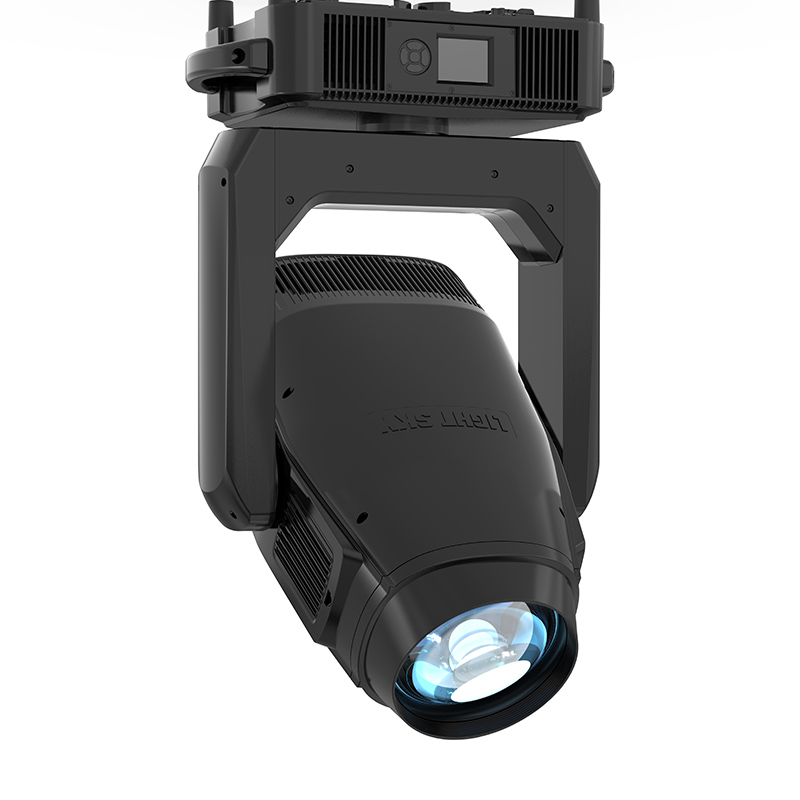
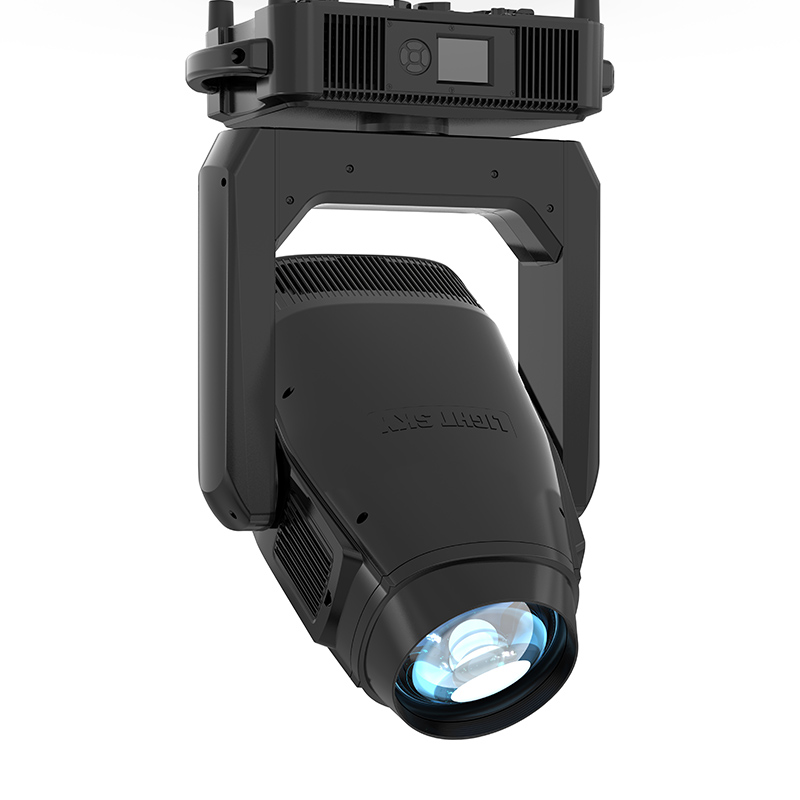
When one compares the methods of leading firms, patterns emerge that explain why a concert hall breathes differently from a retail atrium; manufacturers set the palette. A practical example appears in touring rigs where a single fixture—such as the 520W LED BSWP 4in1 Moving head—will determine beam quality, colour mixing and motion dynamics across an entire show. The choices made at the design bench cascade: lumen output targets, beam angle decisions and DMX architecture all steer the final atmosphere.
Design philosophy and technical priorities
Some firms place fidelity first: high CRI, tight beam control and stable colour temperature aim to render people and materials with honesty. Other makers prioritise spectacle—fast moving head systems, pixel mapping and bold RGBW engines that favour saturation over exactitude. This comparative view clarifies trade-offs; no single approach is universally superior, yet each suits particular programmatic needs. Practitioners must read spec sheets with care, noting gobo options and rated lumen output rather than pleasing marketing copy.
Control systems and the craft of scene-making
Control philosophy separates manufacturers more evidently than optical technology. Some supply integrated DMX ecosystems and proprietary software for complex cueing; others expose simple standardised protocols that favour third‑party consoles. The implication is clear: a venue that seeks flexible scene-building should favour fixtures with robust networked control and pixel-level addressing. System integrators commonly test latency and failover behaviour in situ—these operational checks reveal the quality of engineering.
Materiality, maintenance and total cost of ownership
Differences in heat sinks, ingress ratings and serviceability determine how a luminaire performs over years. A well-engineered fixture permits quick module swaps and preserves lumen maintenance, lowering lifecycle cost even if initial capital is higher. Venue managers increasingly regard total cost of ownership as decisive; retrofits in major arenas often report 40–60% reductions in energy use after LED upgrades, a real-world anchor that reshapes procurement criteria. Thus a manufacturer that designs for access, replacement parts and decent thermal management wins in practice.
Comparative case studies and procurement lessons
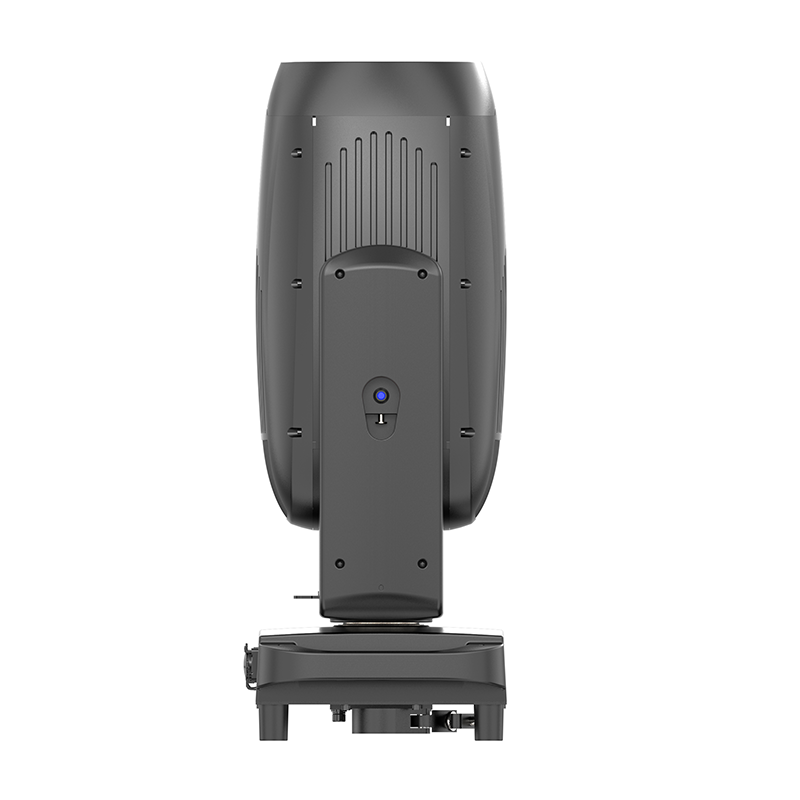
Consider three archetypes: the theatrical house that prizes colour fidelity and silent operation; the sports venue that demands high lux levels and rugged IP ratings; the retail space that seeks tunable white and fixture discreteness. Each archetype leads purchasers toward distinct manufacturers and product lines. For instance, a moving head chosen for touring must balance pan/tilt speed with mechanical robustness—here the choice between a lightweight chassis and hardened bearings is consequential. Procurement teams should document {main_keyword} and {variation_keyword} in their acceptance tests to avoid later mismatches.
Common mistakes and corrective practices
Specifying solely by wattage or by brand reputation remains a frequent error. Equally unwise is neglecting integration testing: a castle of impressive fixtures will fail to cohere unless control protocols, patching and latency are validated. Conduct physical mockups, measure beam spread at typical throw distances, verify dim curves, and insist on service-level commitments in writing—these measures steeply reduce commissioning friction. —A brief on-site rehearsal often uncovers surprises that no simulation can predict.
Advisory: three golden rules for selection
1. Prioritise performance metrics that map to user experience: lumen output and beam angle for visibility; CRI and colour stability for ambience; ingress and thermal specs for longevity.
2. Demand control transparency: require DMX/RDM behaviour descriptions, network topologies and latency figures in the contract; ensure fixtures support necessary protocols and firmware updates.
3. Insist on lifecycle assurances: obtain mean time between failures, spare-part lists and guaranteed firmware support to evaluate total cost across the venue’s expected service life.
The comparative examination above culminates in a practical truth: the right combination of optics, control and service makes atmosphere predictable and repeatable. For venues that require both reliability and flair, Light Sky supplies a consistent value proposition that aligns product engineering with operational realities—Light Sky. —