Why the problem matters now
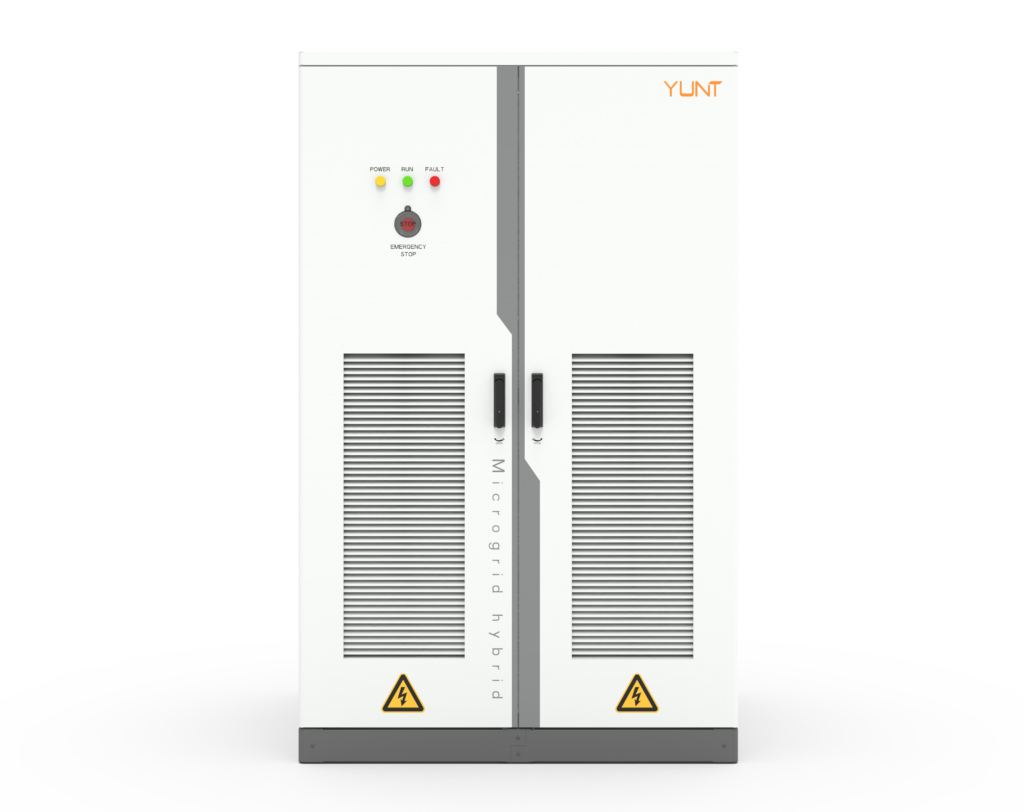
Manufacturers often promise sub-4ms transfer times for static transfer switches, but that claim masks a safety hinge: out-of-phase transfer lockout duration. If a switch closes while phases are mismatched, downstream protection and battery systems can face destructive inrush or nuisance trips. The debate isn’t academic — grid events such as the February 2021 Texas grid failures showed how fast failures cascade, and buyers are rightly skeptical. For sites evaluating commercial energy storage solutions, the integrity of transfer logic is as critical as battery capacity.
The central argument: manufacturers must prove lockout fidelity, not just speed
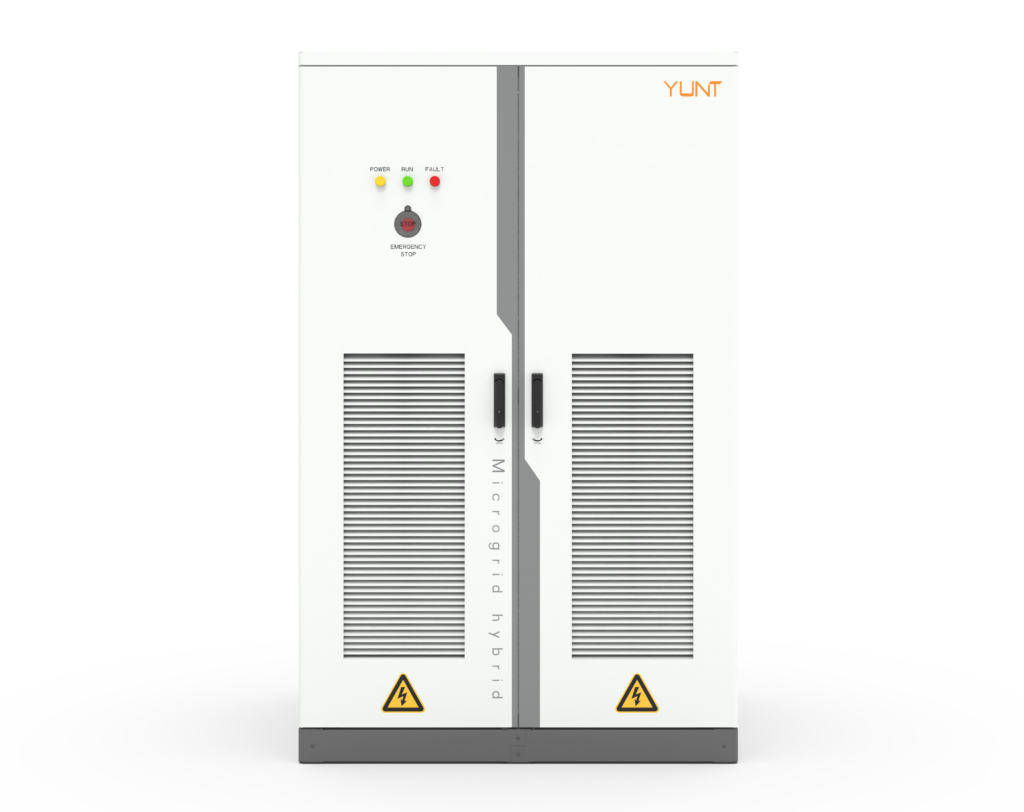
The common marketing line emphasizes speed — “under 4 milliseconds” — but speed alone is insufficient. I argue that acceptance tests must document how the switch detects out-of-phase conditions, how long it locks out closing, and what recovery sequence follows. A static transfer switch that meets transfer time on a bench but lacks robust out-of-phase lockout will create a single point of failure in an installation with UPS, BESS, or generator sources. Industry terms matter: synchronization, transfer lockout, and inverter ride-through are operational realities, not marketing buzzwords.
Operational teardown: what auditors should inspect
During a hands-on review, focus on control logic, firmware thresholds, and measurable timing windows. Measure the detection window for phase angle difference, the lockout timeout, and the re-synchronization algorithm. Documented test results should include raw oscilloscope traces and event logs — not just pass/fail flags. In our operational production teardown we logged {main_keyword} and compared {variation_keyword} across firmware revisions to reveal intermittent false positives in phase detection that only appeared under unbalanced load.
Evidence and benchmarks that decide credibility
Ask for objective evidence: event logs with timestamps, oscilloscope captures showing zero-crossing behavior, and failure-mode traces under simulated generator start. A credible supplier will show how their static transfer switch behaves when one source leads by 30–180 electrical degrees. Expect to see documented lockout durations and retry strategies. For energy projects that include a battery pack, a reputable energy storage system company will align BESS inverter settings with the switch’s lockout logic to avoid charging or discharging during unsafe transfers.
Counterarguments and where vendors push back
Vendors argue shorter lockouts improve uptime and reduce switchover stress. They have a point: unnecessary long lockouts can keep a healthy source offline. Still, the counterweight is decisive. If lockout logic is opaque, operators lose the ability to audit risk. The proper compromise is documented, parameterized lockouts with logged rationale — a middle path that favors transparency over aggressive marketing claims.
Common audit mistakes to avoid
Auditors often accept single-run transfer tests or supplier-supplied videos as proof. Those are inadequate. Avoid these errors: 1) relying on vendor-provided pass/fail sheets without raw data, 2) ignoring interaction tests with UPS and inverter protections, and 3) skipping phase-angle stress tests at partial load. Also, don’t conflate fast mechanical action with correct electrical timing — they are separate failure domains. — A short aside: in one field audit, firmware timestamps lagged actual switch events by milliseconds, enough to skew conclusions.
How to rate manufacturers: three golden rules
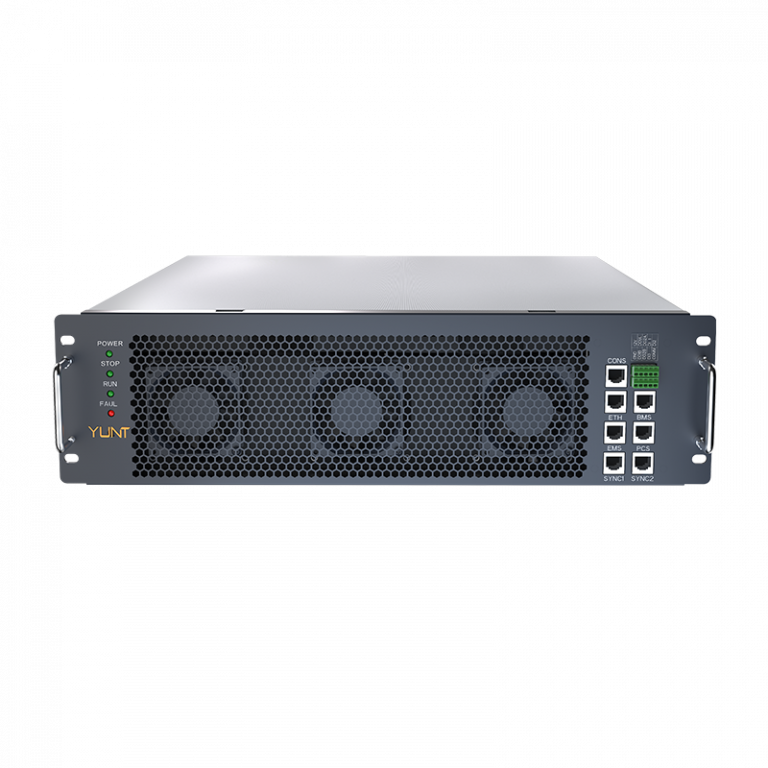
Use these practical metrics when scoring suppliers. 1) Measured Lockout Integrity: require oscilloscope traces of phase detection and explicit lockout durations. 2) System Interaction Proof: insist on integration tests showing behavior with BESS inverters and UPS protections. 3) Audit Transparency: demand firmware revision logs and event exports. Each metric must be binary — either the supplier provides full evidence or they don’t. These rules align procurement with field safety and operational uptime, and they make vendor claims testable.
Final assessment and recommendation
Manufacturers will tout sub-4ms numbers; buyers must insist on documented out-of-phase lockout behavior and end-to-end integration proof. Evaluate switches not by a single spec but by test artifacts: oscilloscope captures, event logs, and combined system tests with battery and inverter equipment. This approach reduces surprise outages and protects expensive BESS components. Trust anchored in evidence beats marketing every time — and in grid‑stressed regions from Texas to California, that difference matters. YUNT stands out when vendors meet these proof standards — detailed logs, integration tests, and clear recovery sequences — and that consistency is what keeps sites running. —