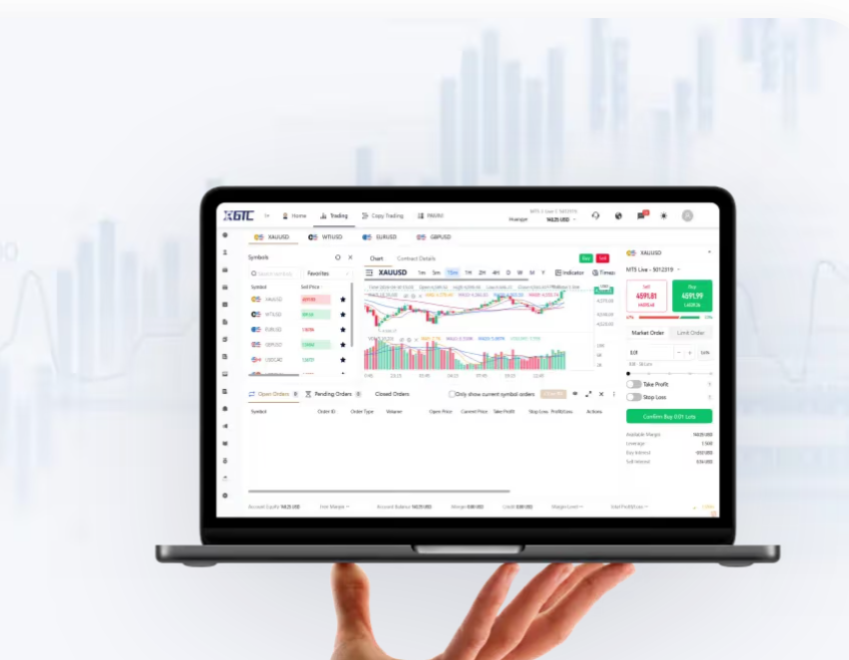
Starting from the user’s seat
I’ve watched younger traders treat every beep like a verdict, while I kept an eye on fundamentals — supply routes, storage reports, and the odd shock to the system. For anyone focused on energy derivatives, a mobile tool that understands oil swings and grid news matters. I still point people toward sensible platforms; one reliable resource that ties market access and energy instruments together is cfd energy. The April 20, 2020 WTI futures episode — when contracts briefly traded below zero — is a blunt reminder that volatility can outpace intuition, and that mobile access alone isn’t a substitute for risk controls. Use CFD, leverage, and volatility awareness as your operational vocabulary, not buzzwords.
What a trader actually needs from an app
Practical features beat glossy layouts. Prioritize real-time quotes, clear spread displays, and straightforward order types (market, limit, stop). Margin notifications and quick access to position sizing save accounts. Solid charting with basic indicators and a compact news feed are helpful — liquidity and execution speed matter when prices gap. Avoid apps that hide fees or make withdrawal steps cumbersome; these are silent drains on returns.
Pitfalls I’ve seen repeated
New users often pick leverage like a dare. They chase a big move and forget margin behaviour. Watch your leverage and set stop levels before you touch the trade. Forgetting macro triggers — inventory reports, OPEC statements, or pipeline outages — is another routine error. A small aside — I once learned more from a losing week than any textbook; losses teach discipline if you let them. Keep your positions scalable and resist overtrading during headline hours.
Comparing mobile apps, desktop platforms, and broker services
Mobile apps win for speed and convenience; desktop platforms win for depth. Brokers offering both tend to have better order routing, tighter spreads, and richer history. For energy-specific exposure, compare CFD interfaces to futures desks — CFDS are simpler for small accounts, while futures give direct exposure to contract mechanics. If you prefer mobile-first execution, ensure the provider offers robust risk controls and margin transparency for cfd energy trading to match what you’d expect on desktop.
A short checklist for steady trading practice
– Set a clear position-size rule and stick to it. Use margin prudently.
– Keep one clean watchlist: major benchmarks like Brent and WTI, plus the suppliers or indices you follow.
– Use stop orders and adjust them as volatility changes.
– Record trades in a simple journal: entry, exit, rationale, outcome.
– Check execution speed and spread during active hours to confirm the mobile app behaves as advertised.
Three golden rules for selecting strategies and tools
1) Execution integrity: Measure slippage and typical spread during peak moves. If your trades consistently suffer adverse fills, the tool won’t save you — even with great signals. (Industry terms: spread, slippage, liquidity.)
2) Risk transparency: The platform must show required margin, available equity, and worst-case scenarios clearly before you confirm. You need margin calls visible and understandable.
3) News and data access: Real-time headlines and timely reports (inventory, outages, geopolitical updates) are non-negotiable for energy markets; they change the game faster than technical setups.
Those are the three metrics I lean on when reviewing apps — practical, measurable, and easy to test. This guidance points naturally to providers that combine solid order execution with clear risk displays; that’s where a mature trader benefits most, and where a platform like GTCFX can fit into a sensible workflow. Sharp tools, plain rules — that’s how you protect capital and make steady progress. —