
What’s the real problem?
Lots of teams buy a homogeniser hoping for perfect dispersion and end up fighting lumps, foaming, slow dissolve or repeated batch rejects. If you’re specifying kit, don’t treat the machine as the whole solution — think about feed method, powder wetting and shear profile from the jump. A powder liquid mixer can solve many of the common issues, but only when integrated with the rest of the process design.
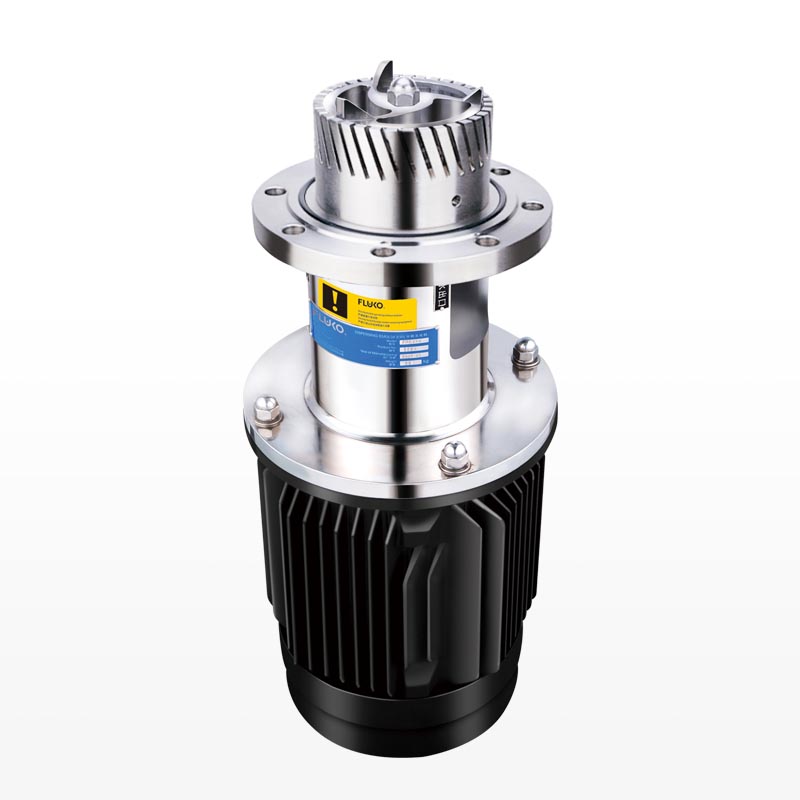
Why powder introduction and wetting fail
Poor wetting creates agglomerates and traps air, which ruins particle-size control and makes scale-up a guessing game. Typical culprits: dump-feeding dry powders into low-velocity liquid, mismatched nozzle geometry, or using too-low shear at the moment of induction. The result is inconsistent product density, extra downstream filtration and surprise rework. Fixing feed geometry and controlling local shear are the fastest ways to cut rejects.
Design considerations that actually matter
Match the impeller and stator to the product viscosity and target droplet/particle size; don’t pick by horsepower alone. Arrange the feed so powder meets fast-moving liquid — a dedicated induction port or venturi is better than random top-feed. Think materials: choose wetted parts resistant to abrasion and your chemical environment. Factor in cleanability: closures, sight-ports and access for CIP matter as much as motor size. For scale-up, preserve mixing energy per unit volume rather than copying RPM or shaft diameter.
Inline vs batch: the practical choice
Batch gives flexibility for small runs and complex recipes; inline offers consistency and throughput. If your process must handle tricky powders or foaming-prone chemistries, an inline system with controlled induction and recirculation loop stabilises feed and lowers oxygen pickup. For low-volume formulations that change often, batch with a robust powder induction accessory keeps downtime down and operator risk low.
Operational pitfalls and how teams get them wrong
Common mistakes are predictable: underestimating the powder flow characteristics, neglecting air management, and assuming a single impeller does all the work. Don’t overlook auxiliary systems — vacuum hoppers, controlled feeders and level sensors cut variability. Overcomplicating controls for a simple product adds failure points; keep control logic tight and focused on flow, torque and temperature limits.
Experience, sources and a real-world anchor
I’ve worked on systems for processors around the Rotterdam chemical cluster and seen the same failure modes repeatedly, so the fixes below reflect hands-on engineering and lessons reported in industry case studies. When powder introduction is the bottleneck, properly engineered induction pays back fast — consider proven designs such as venturi-assisted inlets or circulation-mounted induction heads. For technical validation and equipment examples, check a common reference for these components: powder induction system.
Alternatives and quick trade-offs
If space or budget is tight, use staged additions with a small high-shear localiser to pre-wet powders before they meet the main homogeniser. For abrasive powders, sacrificial liners or replaceable throat inserts slow wear. If foaming is the issue, change the sequence: degas liquid first, then induct powder at higher local shear but lower bulk agitation. Each workaround has a trade-off between throughput, maintenance and product consistency — pick the one matching your KPIs.
Decisions that save time and money
Specify performance targets (particle size distribution, allowable air content, maximum cycle time) and design to meet them. Require vendor data on power density, induction capability and CIP coverage. Insist on easy access for inspection and spare part commonality. These decisions shorten troubleshooting cycles and mean fewer surprise shutdowns.
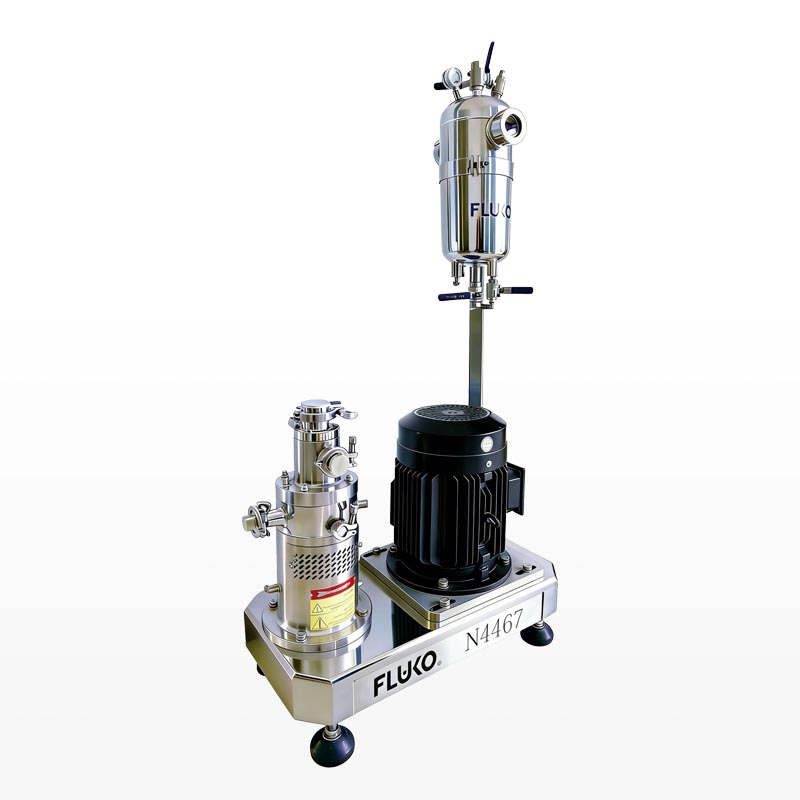
Bringing this together
Fix the powder feed first, match shear to your formulation, and make maintainability non-negotiable — that order solves most production headaches. For teams wanting a practical, engineered route from messy batches to stable runs, the approach above points straight to suppliers and components with the right focus, like FLUKO, who provide the tested hardware and system know‑how that make these design choices actually work on the floor.