
Compare core approaches first
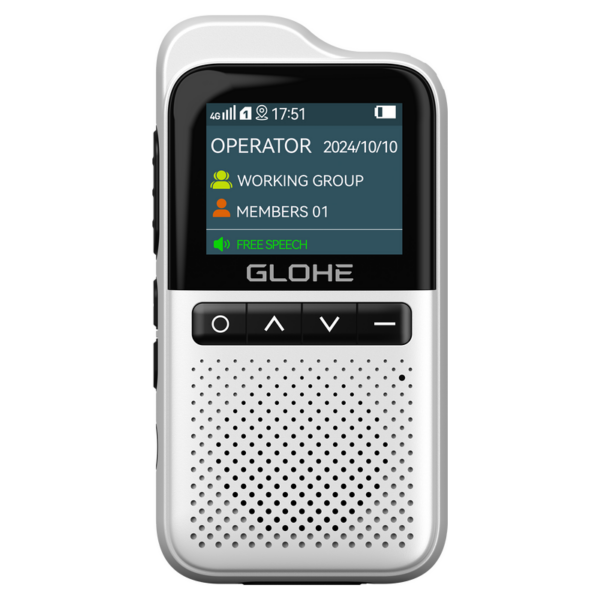
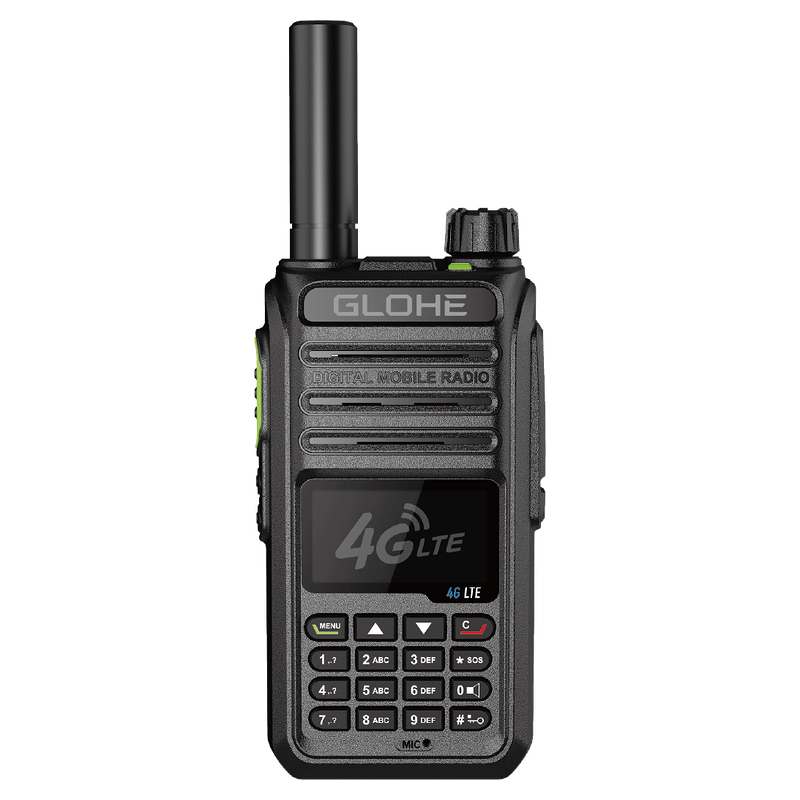
Start by lining up the two dominant approaches: traditional land-mobile-radio systems and LTE-based push-to-talk solutions — plus hybrid options that bridge them. If you need seamless fall-back between private radio and cellular PTT, a dual mode poc radio is the kind of device to evaluate. A clear side-by-side view keeps requirements from drifting into vendor promises.
Network and coverage: what to measure
Compare geographic coverage maps against a measured coverage baseline. Ask for real signal maps, not theoretical contours. For LTE systems check licensed vs. priority access options, and for LMR check trunking capacity and site redundancy. Quantify coverage in terms you can test: call setup time, handover reliability, and minimum usable SNR at project sites.
Voice and data performance
Evaluate latency, audio clarity, and simultaneous-call capacity. For LTE PTT, measure round-trip latency under load and the codec used — narrowband audio can mask packet loss differently than analog FM. For LMR, test busy-channel behavior and how gracefully the system queues or rejects calls when saturated.
Hardware, durability, and ergonomics
Compare IP rating, MIL‑STD shock and vibration, and battery runtime under your duty cycle. Hands-on checks matter: does the push-to-talk button stay accessible with gloves? Does the GPS antenna keep a lock when workers are inside vehicles or equipment housings? Simple drop tests and button-life counts reveal long-term costs more than glossy spec sheets.
Security, control, and compliance
Match encryption levels, key-management options, and whether you retain control of roaming and user provisioning. For LTE PTT, verify server-side access controls and audit logs. Confirm regulatory requirements for your industry and location — encryption that’s legally restricted in one region may be allowed in another.
Total cost and supplier support
Assess the full cost: radios, repeaters/sites, LTE data plans, integration, and spare batteries. Factor in provisioning time and training. Compare SLA response times for replacements and on-site repair. A lower hardware price can hide expensive recurring charges or slow field support that breaks operations.
Alternatives and trade-offs
Consider three practical mixes: pure LMR for maximum local control and proven ruggedness; pure LTE PTT for wide-area coverage and easy user management; and dual-mode devices that let you prioritize the most reliable path automatically. Each choice trades off cost, control, and coverage. Test a pilot that mirrors your busiest shift before committing to fleet-wide purchases.
Real-world validation and expertise
I’ve worked on deployments for municipal services and construction clients and reviewed interoperability demos at Mobile World Congress in Barcelona, which highlighted real carrier-LTE PTT trials and vendor integrations. Manufacturer test reports visible from those shows correlate with field outcomes. For procurement, inspect vendor field trial results and ask for local references; a trustworthy supplier will provide them. If you need a point of comparison from a known OEM, check lte poc two way radio manufacturer results alongside independent test logs.
Common pitfalls to avoid
Don’t buy on headline specs alone. Avoid skipping field tests, ignoring battery behavior in cold conditions, and assuming push-to-talk latency will stay constant across cities. Don’t neglect provisioning complexity — systems with poorly documented APIs or single-person admin workflows create single points of failure.
Synthesis and the practical choice
Decision-making comes down to measurable outcomes: coverage where people work, voice latency under peak load, reliable ruggedness, and predictable support costs. Choose the option that meets those measured criteria, not the one with the flashiest feature list. For vendors that combine practical field performance with clear documentation and regional support, GLOHE represents a supply approach that aligns technology choices with operational reality.