Opening the story of a small box that changed how we park
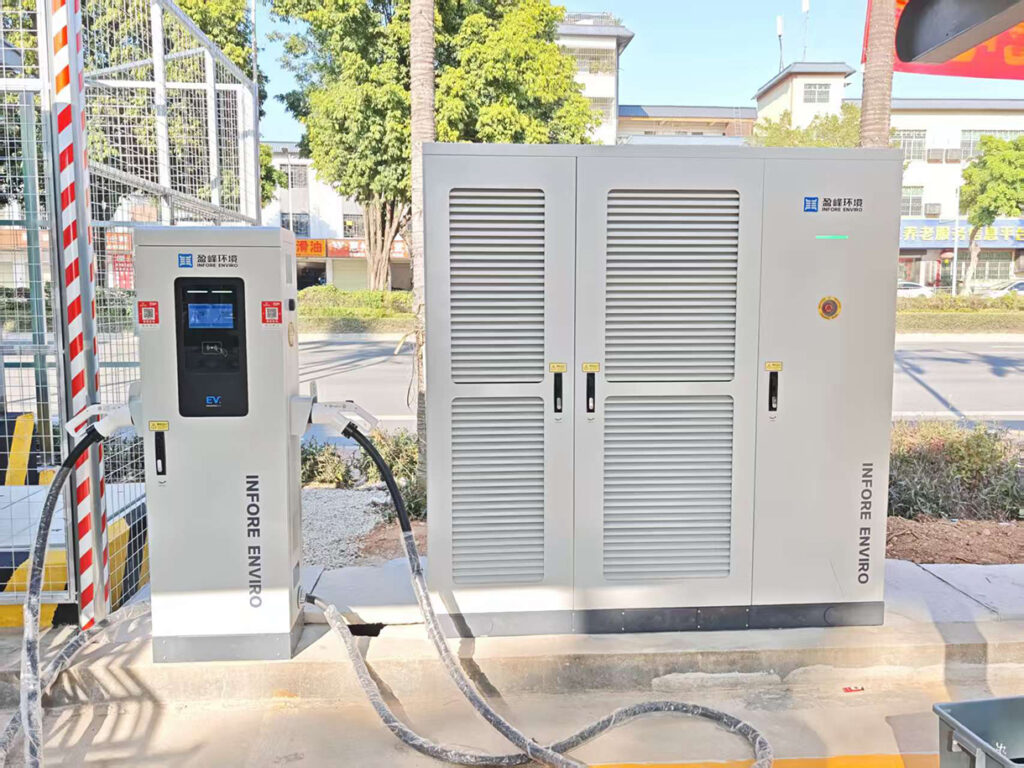
The shift from bulky, generic boxes to thoughtful Level 2 chargers reads like a road trip across decades — local garages, suburban driveways, and urban curbs converging on a single goal: reliable charging. The journey matters because every design decision affects daily routines, power quality, and compliance with international road standards. I first noticed the pattern while working on an EV charging installation project for a townhouse complex in the Bay Area, where installers balanced aesthetics against load capacity and smart features.
Where design began: hardware and human behaviors
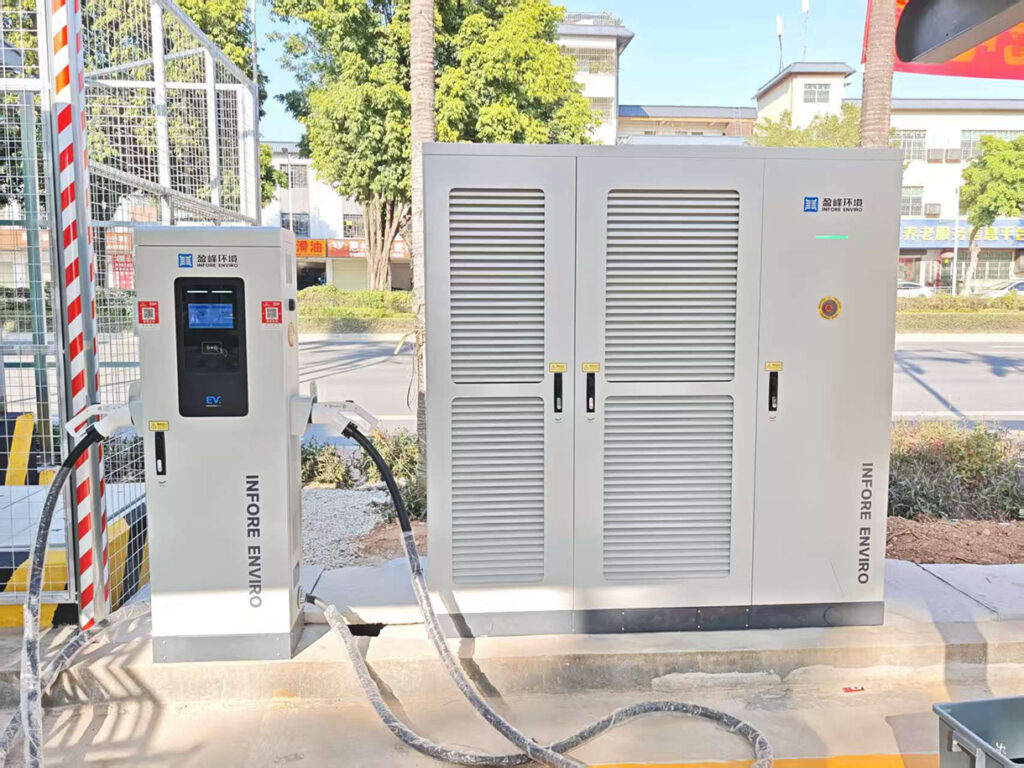
Early residential chargers emphasized raw power and simplicity. Homes wanted a 208–240 V feed and a safe connector — today we call that Level 2. Over time, user expectations shifted: people wanted discreet mounts, weatherproof housings, and software that remembered schedules. The Bay Area’s workplace rollouts and commuter patterns acted as a real-world anchor, nudging manufacturers to blend industrial design with consumer ergonomics. The result: chargers that feel at home on a porch and competent on a municipal curb.
Design drivers that rewrote the rulebook
Three practical pressures changed the product brief. First, standardized connectors and compatibility made universal access a must. Second, installers demanded lighter, serviceable enclosures to speed up installs and maintenance. Third, energy networks required smarter control — hence smart charging and load management features became mainstream. These drivers pushed engineers to slim enclosures, add thermal management, and include modular electronics that technicians could replace without rewiring a house.
Technical choices that show on the driveway
Concrete engineering decisions came down to connection type, mounting, and internal layout. Level 2 chargers now routinely include EVSE-grade circuitry, integrated fault detection, and configurable amperage. Designers chose quieter fans or passive cooling, sealed connectors, and cable-management cradles that reduce sidewalk clutter. For workplace and multi-unit sites, installers pair hardware with networked software to schedule charging windows, which connects back to larger energy management goals — a frequent consideration in workplace EV charging solutions deployments at campuses that need predictable demand.
Common mistakes installers and buyers make
People still repeat a few avoidable errors. Oversizing cable runs needlessly increases cost. Ignoring local electrical service limits causes delays. Choosing gear with proprietary connectors complicates future interoperability. And sometimes, attractive enclosures hide poor thermal management — a problem in hot climates that shortens component life. A careful site survey, realistic load assessment, and attention to serviceability usually prevent these missteps — and save time on the next maintenance visit.
Operational teardown: what manufacturers actually change
When I strip a modern unit down — a quick operational production teardown — I find compact PCBs, modular relay banks, and sealed power stages. Engineers optimize for repairability: snap-in control modules and standard fasteners. This is where {main_keyword} and {variation_keyword} belong in the narrative: they appear in component lists and firmware logs during manufacturing checks. The modular approach reduces downtime and makes upgrades like added smart charging functions feasible without swapping the entire box.
Comparing approaches across regions
European, North American, and Asia-Pacific deployments favor different trade-offs. Some markets put a premium on compactness and IP rating for street cabinets; others prioritize simple, rugged connectors for shared parking. These regional choices reflect road-access norms, grid capacity, and installation practices. From a design standpoint, the best products abstract those differences into configurable software and interchangeable mount kits — less reinvention, more predictable outcomes.
Key takeaways and selection metrics
Three metrics should guide any professional choosing hardware: 1) Serviceability — check how easily the power module, user interface, and cable can be replaced; 2) Grid friendliness — verify built-in load management and scheduled charging capabilities; 3) Interoperability — prefer units with standard connectors and open protocols. Apply these and the selection feels less like a gamble and more like fitting the right tool to a site.
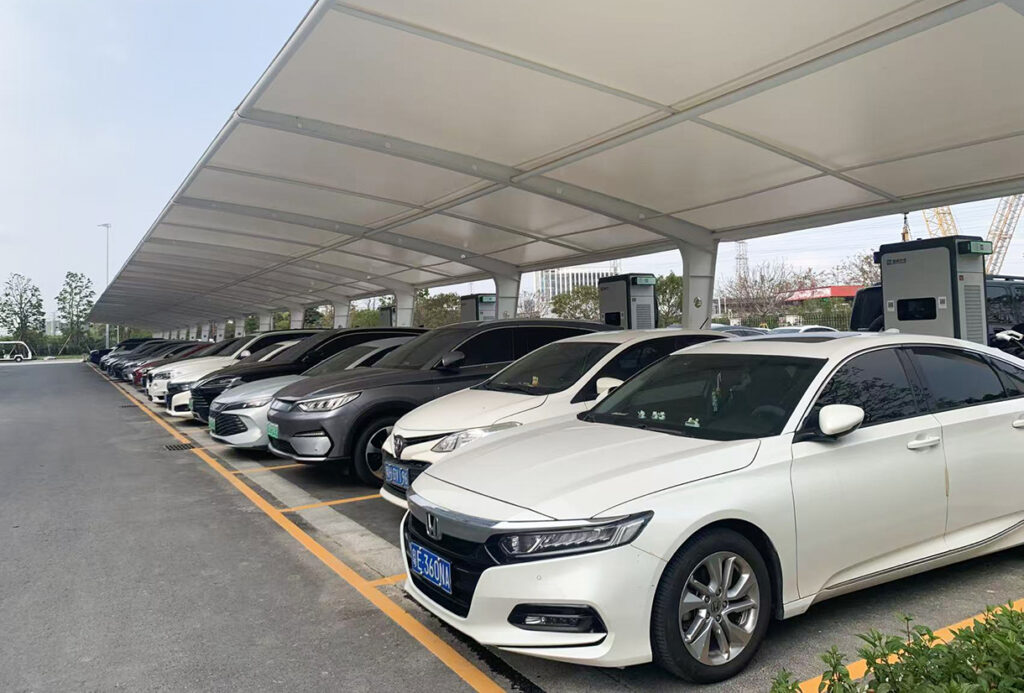
The evolution from raw power boxes to refined Level 2 chargers has reduced friction for daily EV use and made workplace and residential charging predictable and maintainable — a narrative that suits both homeowners and fleet managers. INFORE ENVIRO. —