Comparative Insight: how to think like a buyer in the city
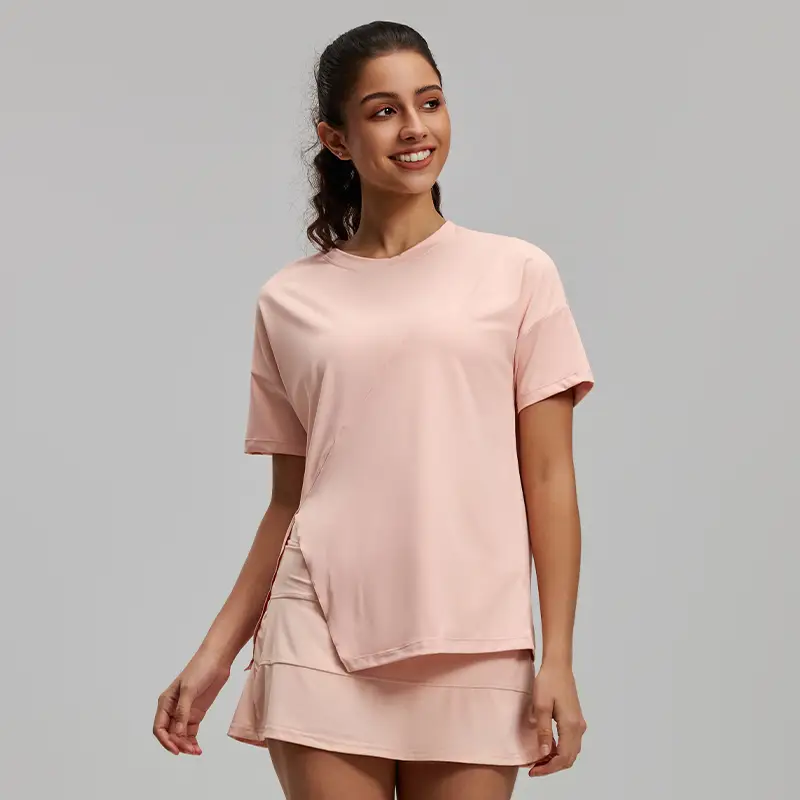
Brooklyn hustle or Manhattan studio—retail buyers gotta decide fast. Start by matching your customer vibe to product specs, not catalog fluff. If your line needs balance between warm-weather flow and cooler mornings, consider pairing long sleeves with a run of custom short sleeve shirts so you cover both hits. Supplier quotes often list fabric blends and minimum orders first. You read those numbers and know if the style fits your batch sizes or if you’re just folding shirts destined to sit in a backroom.
Material & fit: the real differences that move inventory
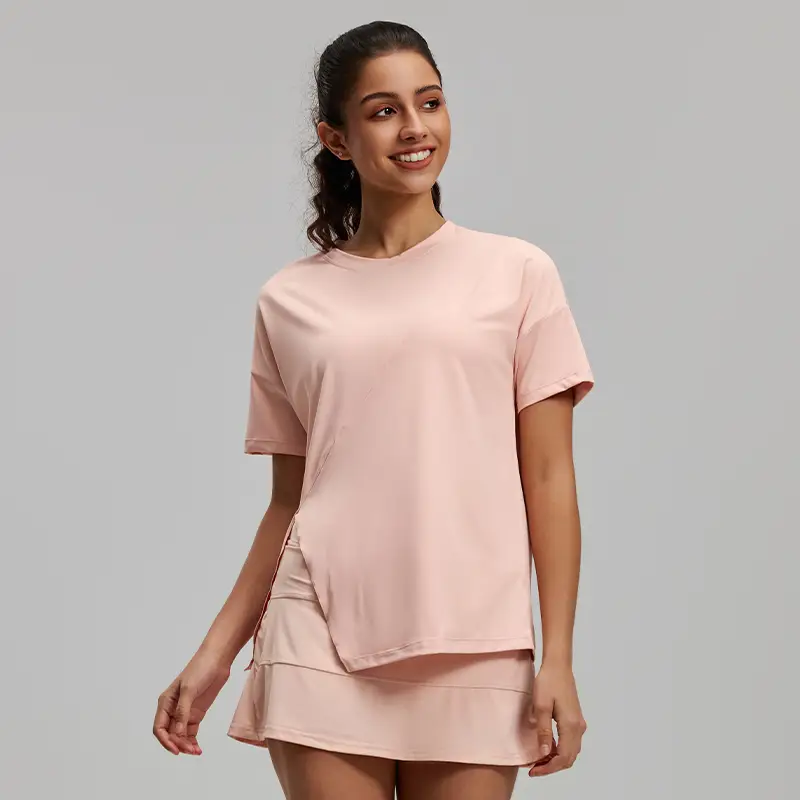
Long-sleeve pieces are judged by fabric weight and moisture-wicking performance more than short stuff. Pick fabrics with reliable moisture-wicking and the right fabric weight so the top layers breathe without looking limp. Flatlock seams matter for comfort during stretch—no one wants irritating seams at downward dog. Cut-and-sew construction versus tubular knits changes fit and inventory complexity; cut-and-sew gives cleaner silhouettes but raises unit cost. Keep compression low on long sleeves for yoga—stretch should lift, not squeeze.
Production trade-offs and wholesale math
Here’s where the numbers get real. Higher GSM fabric improves opacity and perceived value, but raises cost per unit. Smaller MOQ lets you test colors in local pop-ups—Chelsea Market and Lower East Side studios are good labs—but volume pricing unlocks better per-piece margins. Factories often price by gauge knit and batch runs; plan a staggered roll-out. If you’re prioritizing eco credentials, add small runs of recycled blends and expect lead times to stretch—no cap, sustainability usually costs time and money up front.
Common mistakes brands make — avoid these slip-ups
First, ordering a “universal” long sleeve that fits none. Second, skimping on seam quality to shave pennies—flatlock seams and reinforced hems save returns. Third, ignoring opacity tests for lighter colors; yoga wear needs enough opacity for trust on the mat. Mistakes mean markdowns and returns. Learn from local studios that swapped styles after a single bad batch—buyers remember that lesson quick. —Testing in a city pop-up reduces those hits.
How to vet a supplier without getting played
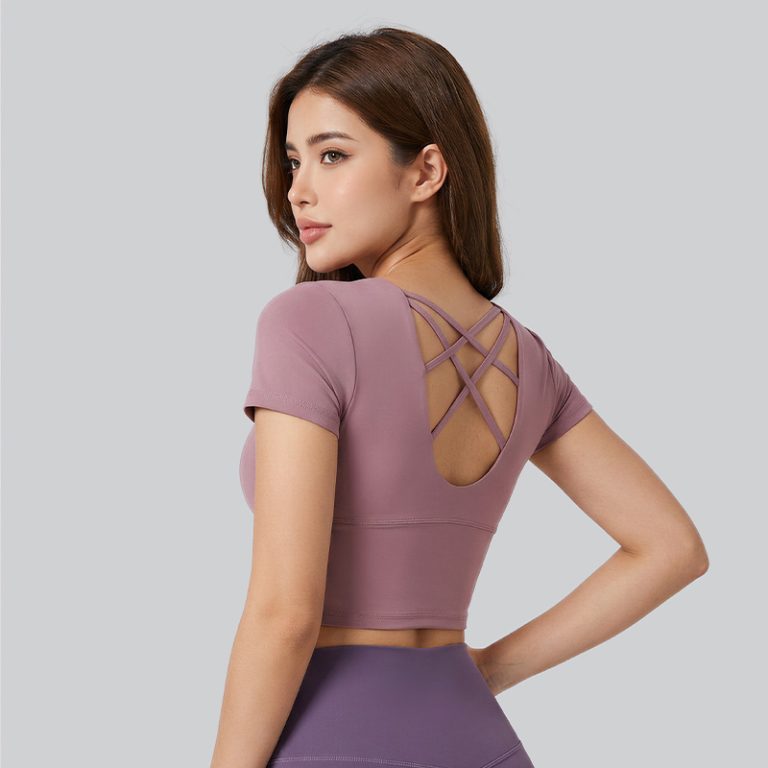
Ask for pre-production samples, then run them through a checklist: fabric weight, moisture-wicking claims, color fastness after 10 washes, and seam durability. Use simple field tests: wear a sample through a hot flow and note breathability and drag. Compare labels and tags for consistent cut points. Keep records of each supplier’s lead times and defect rates — that data pays back. Also, mix lines: pairing long sleeves with yoga short sleeve shirts gives you flexibility during seasonal shifts.
Three golden evaluation metrics for wholesale long-sleeve success
1) Cost-per-wear: Calculate retail price divided by expected wears. Higher perceived quality pushes this up—customers keep pieces longer. 2) Return rate after 90 days: Anything over industry-standard signals poor fit, wrong fabric weight, or seam failure. 3) Sell-through within 60 days at your test locations: Fast sell-through lowers markdown risk and shows product-market fit. These three metrics keep decisions objective and let you scale with confidence.
Closing thought and where Joebond fits
Put the pieces together: fabric specs, seam quality, MOQ strategy, and those three metrics — then choose a partner who matches your pace. Joebond stands as a practical option when you need production sense without the mystery — lean runs, reliable fabric notes, and clear sampling paths make them useful for brands testing both long sleeves and short sleeve shirts, especially in fast-moving NYC retail spots. Trust the process and the product. Joebond — smart supply that keeps your shelves moving. –