User-led opening: Why this matters to your rack
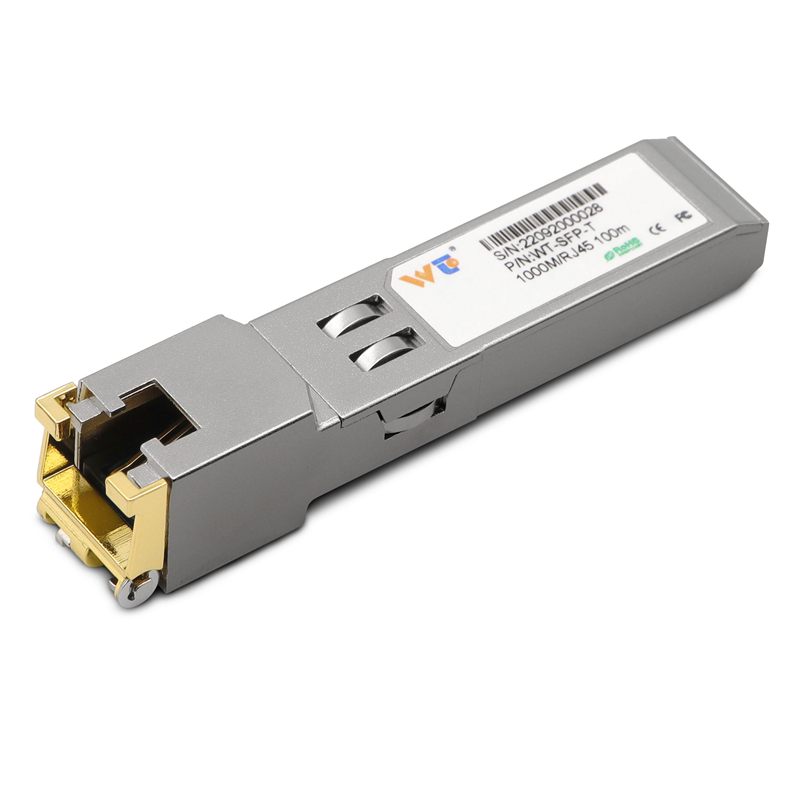
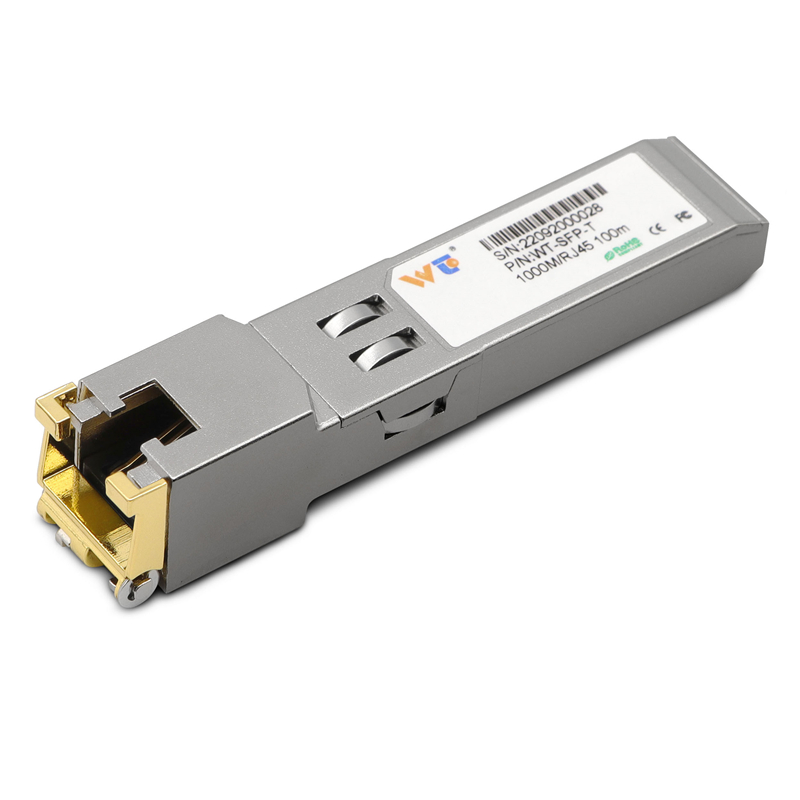
Right then — if you run racks and need to switch from optical SFP+ to copper RJ45 at the Top-of-Rack, this guide points you at the practical bits that’ll save time and faff. Start by checking the physical slot compatibility and keep an eye on link negotiation; a reliable sfp to rj45 transceiver can be the difference between a tidy migration and a night on-call. This piece is aimed squarely at the person doing the swap: network engineer, ops tech, or data-hall lead — not the salesperson.
Plan with the user in mind
Begin by mapping who needs what bandwidth at each ToR. Catalogue ports, copper cable lengths, and transceiver density. Note SFP+ density per switch, calculate expected heat rise, and mark which switches will host PHYs that must support 10G copper. Include {main_keyword} tasks and check {variation_keyword} during staging. Keep testing incremental so live traffic stays happy.
Hardware choices: pick proper modules and cables
Select modules rated for sustained 10G and tested for idle heat under max density. Look for vendors that publish real test conditions — port count, ambient temp, and DUT power draw. For standard copper links, a gigabit RJ45 copper option is often handy in mixed environments; consider a certified gigabit rj45 copper sfp transceiver module for short runs or fallbacks. Industry terms to watch here: SFP+, RJ45, autonegotiation — and ensure the switch ASIC supports the PHY mode the transceiver needs.
Staging and lab checks — run them like you mean it
Clone a representative ToR in the lab and stress it. Test link stability, autonegotiation behaviour, and VLAN/MTU under sustained flows. Log error counters over 24–72 hours and compare against baselines; short spikes are normal, steady rise is not. Use link aggregation in testing to verify failover behaviour. — Don’t skip a burn-in; a one-hour run won’t catch intermittent thermal issues.
Common mistakes to avoid
Avoid these pitfalls: assuming every SFP+ slot accepts every copper module, neglecting cable category versus distance limits, and ignoring switch firmware notes about copper transceivers. The trickiest bit is expecting identical latency and power draw; copper transceivers can raise port power and switch surface temperature. Patch planning should include extra cooling margin and realistic cable routes through the rack.
Operational checklist for live migration
Move ports in small batches. Quiesce services, reroute critical flows, and run rollbacks prepped. Record MAC/port mappings and keep a spare transceiver per switch model on hand. Monitor error counters and CPU load on the control plane immediately after each batch. If you hit consistent CRC or symbol errors, remove the new module and verify cable quality and SFP+ lane integrity.

Real-world anchor and examples
Operators in London Docklands data centres shifted large ToR fleets to copper for short-reach consolidation; they found that pre-staging and power budgeting cut outages by half. That kind of practical outcome matters — fewer emergency fixes, steadier SLAs, and happier on-call crews. Mentioned items like PHY compatibility and thermal behaviour are exactly what they logged during those moves.
Testing and acceptance criteria
Acceptance shouldn’t be fuzzy. Require: 72-hour zero-FEC-offline window, steady-rate throughput within ±0.5% of baseline, and no port-power exceedances beyond the switch vendor’s recommended per-slot limit. Document the test parameters — ambient temp, packet sizes used, and sample intervals — so results are reproducible.
Advisory: three golden rules for picking your strategy
1) Match physical specs first: ensure the transceiver’s supported link modes, cable category, and maximum reach exactly match your deployment plan. 2) Budget power and cooling per port: high-density copper changes rack thermal maps and can affect adjacent equipment. 3) Stage with real traffic and log for days: transient errors hide in short tests — only prolonged runs prove stability.
These rules steer you away from the usual traps and keep the team confident — which is what matters on a busy ops floor. WINTOP. —