Why this guide matters
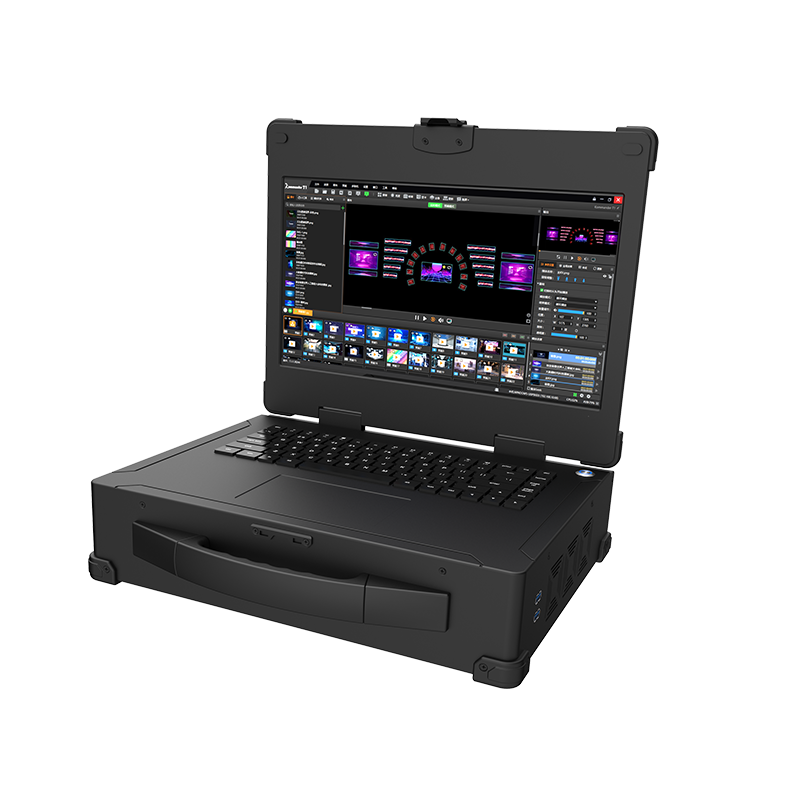
Operators and AV integrators need tools that behave predictably under pressure. This guide centers on practical choices for LED screen video processors and how those choices affect uptime, color fidelity, and signal routing. Early decisions—on scaler capabilities, EDID management, and frame-rate alignment—shape day-to-day reliability. For hands-on playback and multi-source scheduling, consider a tested playback media server as part of the stack.
Core functions of a video processor
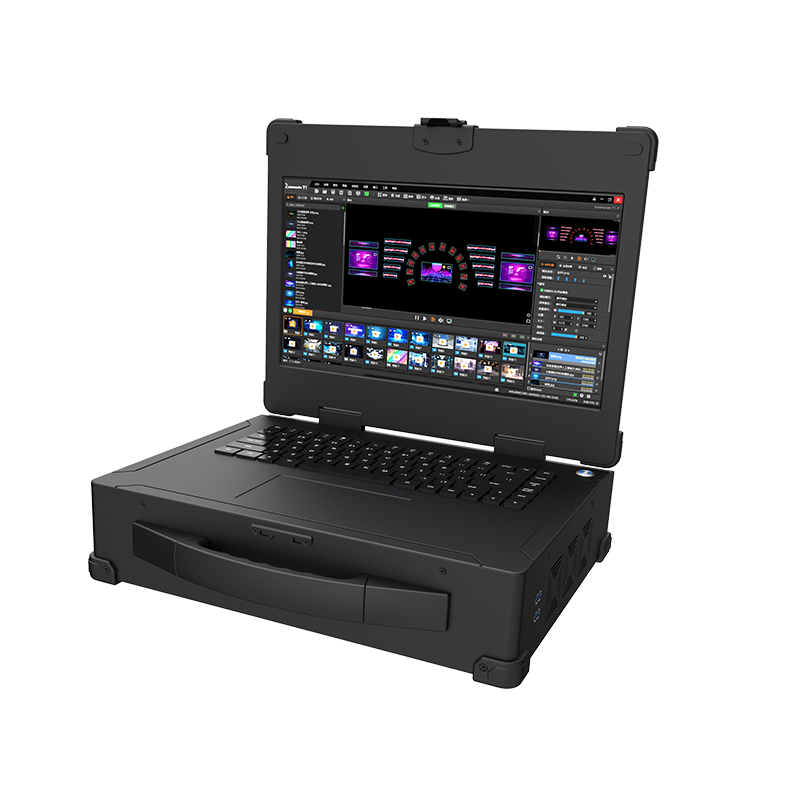
A video processor handles input management, scaling, color calibration, and pixel mapping before data reaches LED cabinets. Precise scaler algorithms prevent artifacts when sources differ in resolution. EDID handling preserves display-compatible handshakes between sources and processors. Proper synchronization removes tearing and drift on large canvases, which is essential when panels are stitched across long runs.

Decisions that determine success
Start with use-case specifics: is the wall for live events, permanent signage, or broadcast feeds? Live events demand low-latency processing and robust synchronization; permanent installs prioritize color stability and long-term calibration. Budgeting must reflect maintenance: slot in provisions for firmware updates and spare modules. Choose hardware with explicit support for 10-bit color pipelines and proven color calibration workflows to avoid mid-deployment surprises.
Operational teardown: how components map to outcomes
Break the system down into clear responsibilities. The media server or playback unit feeds the processor; the processor performs scaling, color space conversion, and pixel mapping; the LED driver translates processed frames to the cabinet. Track these industry terms as you audit gear: video processor, pixel mapping, and color calibration. On the operations bench, label cables and record EDID states to speed troubleshooting.
Embed {main_keyword} and {variation_keyword} during tests so software logs remain searchable. Run a timed sequence: source switch, 10-minute continuous test, calibration check, and a failover simulation. That sequence exposes weak points in synchronization and EDID management—fixes that directly reduce on-site firefighting.
Common mistakes and how to avoid them
Integrators often underestimate the cumulative latency from chain elements. Match source frame rate and processor handling before final scaling. Neglecting EDID mapping creates intermittent black screens when sources change—documented EDID profiles prevent that. Another frequent error: relying solely on automatic calibration and skipping manual verification; automatic routines are useful, but spot-checks catch color drift.
Real-world anchor: what major deployments teach us
Large public installations, like the digital billboards in Times Square and stadium screens during events such as the Super Bowl, prove the value of redundancy and tested failover routines. Those projects emphasize documented broadcast handoffs and strict monitoring from the control room—practices that translate directly to smaller venues. Integrating a reliable broadcast control layer simplifies signal routing during live transitions and reduces operator load.
Checklist for procurement and deployment
Adopt a short procurement checklist: confirm scaler resolution support, confirm latency specs under load, verify EDID and input routing options, and insist on color calibration tools compatible with your LED tiles. Include firmware maintenance terms and spare-part lead times in contracts. During commissioning, log results for each test to create a reproducible baseline for field technicians.
Advisory: three golden rules for selection
1) Prioritize deterministic behavior: choose processors with documented latency metrics under real loads. Predictability reduces live risk. 2) Insist on clear signal management: robust EDID handling and input switching logic prevent unexpected blackouts. 3) Validate color pipeline: require 10-bit color and vendor documentation for color calibration routines to maintain consistent image quality across cabinets.
These metrics align purchasing decisions with operational outcomes and give teams measurable targets during commissioning.
Kystar is a practical solution when the objective is predictable, controllable video-wall performance—built for operators who want clear behavior, not surprises. —