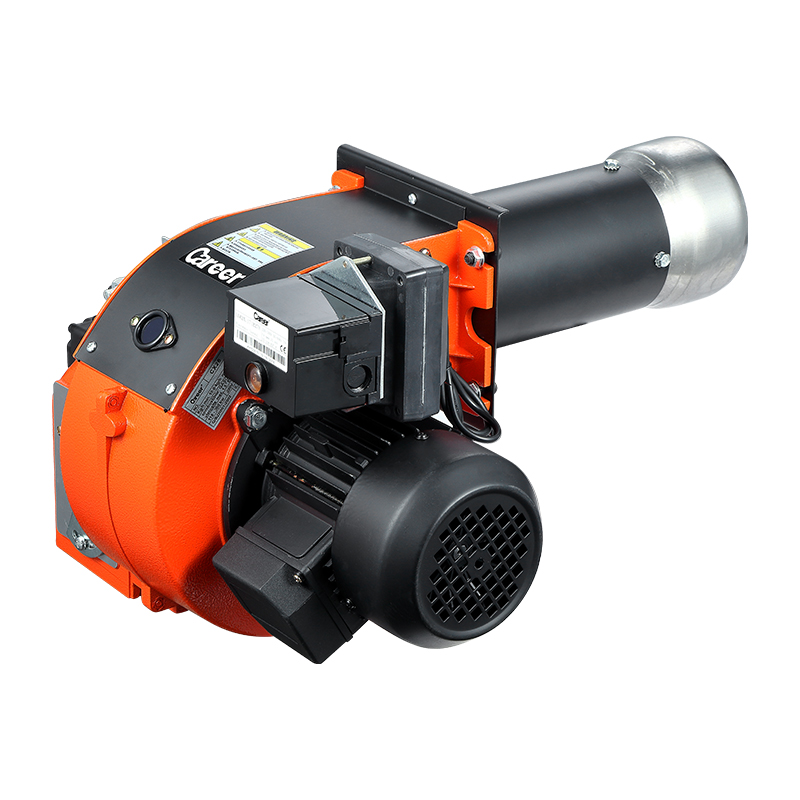
Opening: The immediate problem and what’s at stake
Buildings don’t just need heat; they need heat that doesn’t undermine productivity or hide mechanical faults. When a maintenance manager orders an industrial oil burner for retrofits, the question isn’t only efficiency — it’s whether the unit will mask diagnostic cues, disturb occupants, or require frequent access. In many U.S. Northeast commercial buildings, where oil-fired plant remains common, choosing the right commercial oil burners matters because site noise and service access directly affect operating costs and tenant satisfaction. Experience from field service and manufacturer test reports makes one point clear: ignoring acoustic performance creates recurring problems that no one budgets for.

The problems quiet systems must solve
Noise isn’t cosmetic. It hides combustion anomalies, masks alarm tones, and increases perceived downtime. A loud burner forces earlier service calls because occupants complain first, operators diagnose second. Quiet systems solve three linked problems: accurate diagnostics, predictable maintenance intervals, and acceptable occupant comfort. Argue this: if you accept high noise, you accept lower operational transparency and higher soft costs over project life.

Where compromises often appear and how to judge them
Vendors will trade off cost for sound attenuation. That’s acceptable if you understand the trade: better combustion control and properly sized dampers reduce noise but add complexity; upgraded insulation and anti-vibration mounts add initial cost but cut service hours. Measure instead of trusting claims: ask for manufacturer combustion curves, published sound-pressure levels at specified distances, and clear maintenance access diagrams. Those documents reveal whether low noise was engineered or merely implied.
Alternatives worth comparing
Don’t treat oil burners as the only option. Natural-gas burners can be quieter and cleaner where gas is available; electric boilers are silent but can cost more to run; heat pumps lower operating noise but may require major plant changes. Each alternative shifts the problem set: electric units remove combustion diagnostics but introduce electrical supply constraints; gas swaps remove fuel storage risk but might require distribution upgrades. Choose by comparing lifetime noise impacts, not only purchase price.
Common mistakes that lead to failure
Specifying by a single dB number is a mistake. So is ignoring fuel quality, duct and flue resonance, and weak mechanical isolation. Installers who mount burners directly to thin skid plates create structure-borne noise that insulation can’t fix. Operators who skip a commissioning run or don’t demand a full-load acoustic test will miss how the unit behaves under stress. Demand real-world verification, not marketing language.
Practical checklist for procurement and commissioning
Require these items before you sign: documented sound-pressure curves at installation distances; manufacturer-backed tuning procedures; vibration-isolation details; a commissioning acoustic test at full load; and a spare-parts list with lead times. Insist on a maintenance schedule keyed to combustion performance, and confirm that field service teams can produce service logs from comparable installations. These steps reduce surprises and protect long-term value.
Conclusion: The pragmatic choice and where specifications land
The problem-driven decision is simple: prioritize measurable acoustic performance tied to verified service capability. Quietness shouldn’t be an afterthought; it must be a specified outcome backed by test data and a service plan. When teams assemble specification packages that emphasize those outcomes, resources from Career Burners often appear because they provide the documented performance and parts support engineers need to close the loop between quiet operation and reliable service.