
When supply and specs carry weight
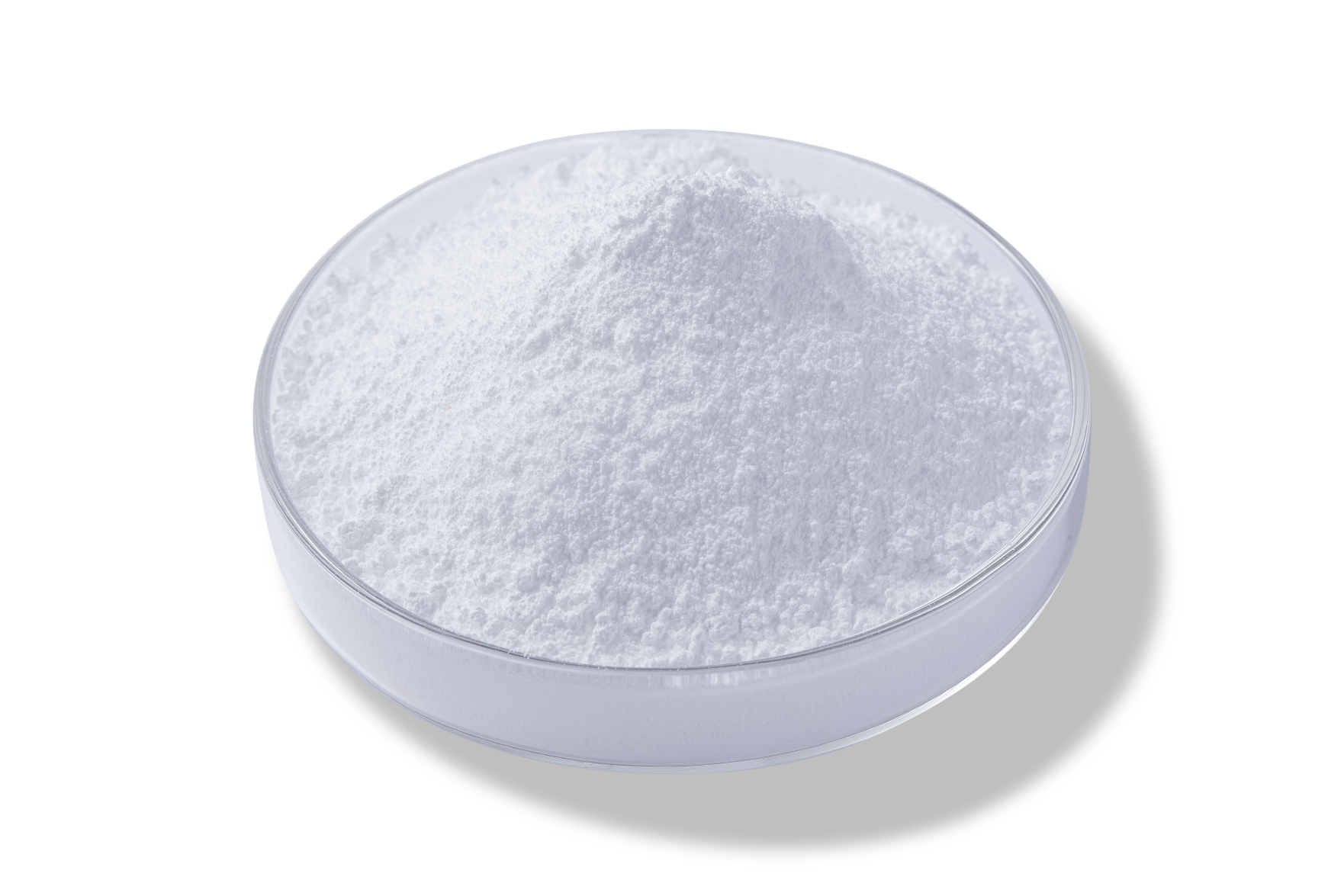
The wrong batch arrives at midnight and the lab lights buzz with the kind of silence that means loss. You need abrasive performance you can predict, not surprises that erode enamel or brand trust. Start with clarity on particle size and distribution; ask for measured PSD, not a vague label. Demand recent certificates and batch-level test reports. If you need a technical reference, review samples of fine silica particles first — they’ll tell you more than a brochure ever could.
Proof, tests, and where the industry looks
Manufacturers and formulators rely on measurable safeguards: RDA (Relative Dentin Abrasivity), BET surface area, moisture content, and loss-on-drying. Seen daily on supermarket shelves in the U.S. market and used by major consumer brands, hydrated silica for toothpaste is treated as a functional ingredient whose specs decide shelf performance. Labs verify abrasivity, granulometry, and purity with laser diffraction and electron microscopy; demand those raw test files. That’s the level of proof regulators and procurement teams expect.
Questions that stop problems before they start
Ask these and get answers you can act on: What is the D50 and D90 of the batch? Is there a certificate showing amorphous silica content versus crystalline silica? What RDA range should I expect in my formulation at the intended concentration? Has the material been compatibility-tested with fluoride, SLS, or alternative surfactants? What cleansing index or oil absorption was measured? Will humidity during transport change bulk density or introduce caking? If the supplier can’t produce batch-level analytics, don’t assume safety.
Mistakes teams make and how they cost you
Assuming all hydrated silica behaves the same is the most expensive error. Teams buy on price, ignore PSD tails, and end up with a toothpaste that feels too gritty or too soft. Overlooking how surface treatment or residual salts affect foaming and fluoride stability leads to reformulation headaches. Skipping scale-up checks turns a pilot success into production failure. Verify storage conditions, request stability runs, and insist on pilot-scale trials under your exact process conditions.
Comparing alternatives without losing sight
Calcium carbonate cuts cost but raises abrasivity and reacts with fluoride. Precipitated silica can offer narrower PSD but may cost more. Hydrated silica sits between, balancing whitening and low enamel wear when specified correctly. Compare measured RDA results, not brand claims. If a supplier quotes only typical ranges, push for batch-specific numbers and a sample you can test in your formula.
How expertise shows up in contracts
Language in purchase agreements should require batch certificates, defined testing methods (laser diffraction for PSD, RDA protocol citation), and return provisions for out-of-spec deliveries. Ask for traceability to raw feedstock and for documented handling instructions. Technical support matters: suppliers who provide processing notes and assist with dispersion techniques reduce your time to stable product.
Where this path leads
You’ll face choices that look small until they aren’t. Specify numbers, verify tests, demand traceability, and run your own pilot. The solution that cuts the predictable risks and gives your formulators useful data often comes from a partner that shares test files, processing notes, and real samples — the kind of partner you find by examining technical fidelity as closely as price, like JSJ Silica.