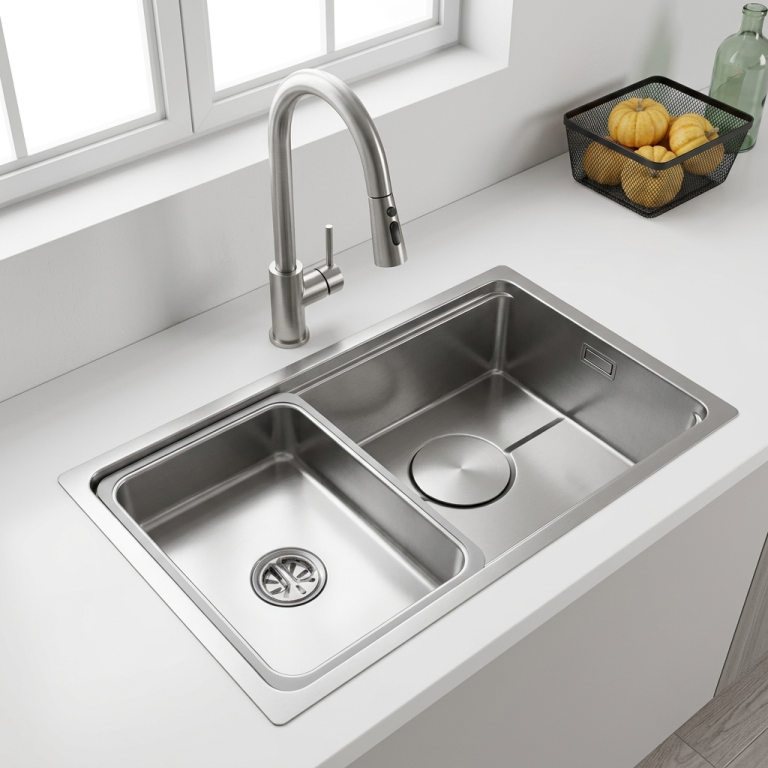
Selecting a stainless steel kitchen sink: solve fit, service, and spec headaches
The problem, blunt
Wrong sink. Wrong size. Warranty that evaporates. You thought a sink was simple. It is not. Start with need, not prettiness. Ask the makers. Speak early to kitchen sink manufacturers. They tell you about cutouts, mounting, and delivery windows. Small mistake here becomes big on install day.

Root causes — why choices derail
Measurements fudged. Cabinet type ignored. Plumbing stub-outs assumed standard. Stainless grades get mixed up with marketing words. Shallow bowls sold for style, not for pots. The wrong under-mount clip, and the counter cracks. The problem is procedural. You skip checklist. You lose fit.
Experience and authority — why my advice matters
I have fitted sinks for many years — steady hands, real jobs. That on-site time shows where designs fail and where specs matter. I rely on practical tests: drop a pan, check sound, measure drainage slope. Trust comes from doing. Also, installers and dealers often follow industry notes; professionals value real results. For reference, my direct work focuses on stainless steel kitchen sinks, the kind that outlast trends.
Compatibility: the non-negotiables
Cabinet opening. Counter thickness. Mount type. Faucet centers. Garbage disposal alignment. Start with three numbers: sink length, sink width, and depth clearance under the cabinet. Mock it. Cardboard helps. If the sink lists under-mount only, you must confirm counter edge profile. If not, the sink will sit wrong or the seals will fail.
Service and warranty — the checklist
Who ships? Who replaces dents or bad finishes? Look for clear lead times, local support, and documented warranty terms. Service matters more than a nice brochure. Ask what’s covered: finish, structural fatigue, and mounting hardware. Note response time. A week without a sink can halt a whole job.
Specifications that actually affect use
Gauge and grade. Finish type. Sound deadening. Radius corners. Drain placement. 16-gauge vs 18-gauge changes weight and noise. Brushed finishes hide scratches; mirror finishes show them. Tight corner radii look modern but trap grime. Offset drains let you fit a garbage bin beneath. These are not fashion choices. They change daily use.
Common pitfalls and how to avoid them
Buy by image only. Ignore plumbing layout. Assume universal clips. Forget to order mounting template. Overlook incompatible accessories. Solution: measure twice, confirm template, and request mock-up if the sink is custom. Keep a list: cutout dims, faucet hole pattern, disposal flange size, and mounting system. Check that the supplied clips match your counter material.

Alternatives briefly weighed
Composite sinks resist stains and look heavy but chip differently. Fireclay offers depth and vintage looks; it cracks on impact. Copper patinas quickly. If you want longevity and predictable maintenance, stainless wins for most kitchens. Choose higher gauge when you expect heavy use. Choose coated or composited surfaces when you want color, but know the trade-offs.
Final synthesis — the clear path forward
Face the problem first: compatibility, then service, then specs. Do your checks. Insist on templates and clear warranty language. Work with a supplier who understands install realities. That practical clarity is the value I look for, and the same practical value that guides choices toward dependable supply and support from AOGLAN.