Comparative framing and why it matters
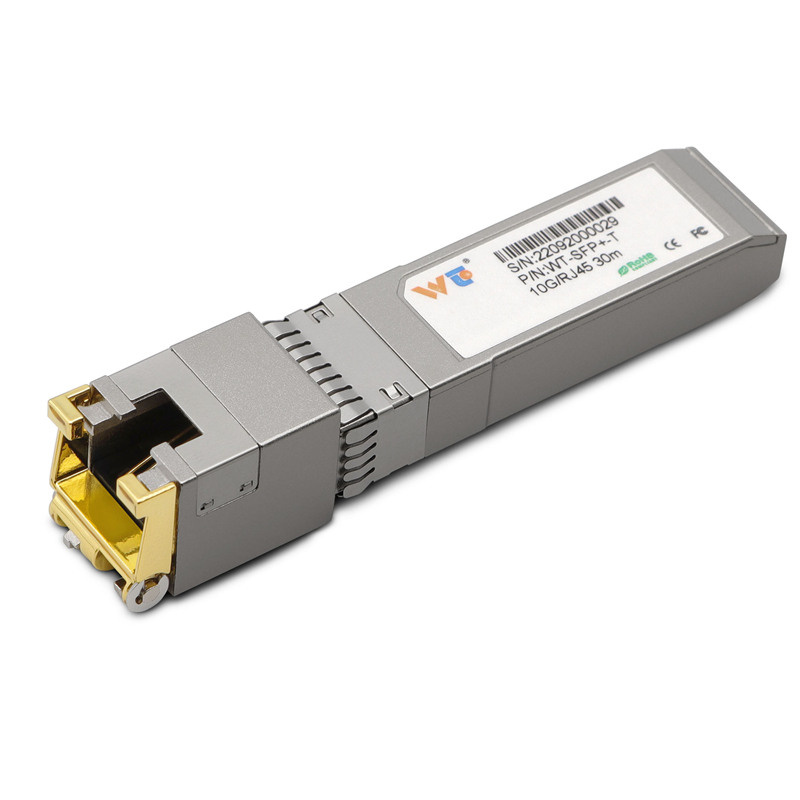
In Edinburgh’s server rooms and in larger facilities such as Equinix London, designers face a limited set of physical choices that determine long-term performance and cost. This comparative piece sets those choices side by side, weighing SFP28 SR point-to-point against MPO parallel optics, copper DAC runs and hybrid patching that requires an sfp to rj45 transceiver at the edge. Each topology alters latency, manageability and spare-part strategy; the right selection reduces truck rolls and complexity.
Topology 1 — Direct SFP28 SR point-to-point
The simplest lane uses SFP28 SR transceivers over multimode optical fibre with LC duplex. Benefits are clear: minimal active components, predictable optical budget, and easy diagnostics via transceiver DOM. For racks with high east-west traffic this topology sustains 25G line-rate with low jitter. Industry terms to mind are SFP28, SR and optical fibre; they matter for modal bandwidth and connector cleanliness.
Topology 2 — MPO/MTP parallel optics for density
MPO trunking folds eight or twelve fibres into a single cable, enabling high-density spine links. It scales well for leaf-spine fabrics where space is at a premium, but it trades simplicity for operational demands: polarity management, MPO cleaning and planned cassette spares. Where density wins, the additional fibre management overhead is the price — but it often pays off in hyperscale racks where every port counts.
Topology 3 — Short copper options: DAC and SFP28 with RJ45 conversion
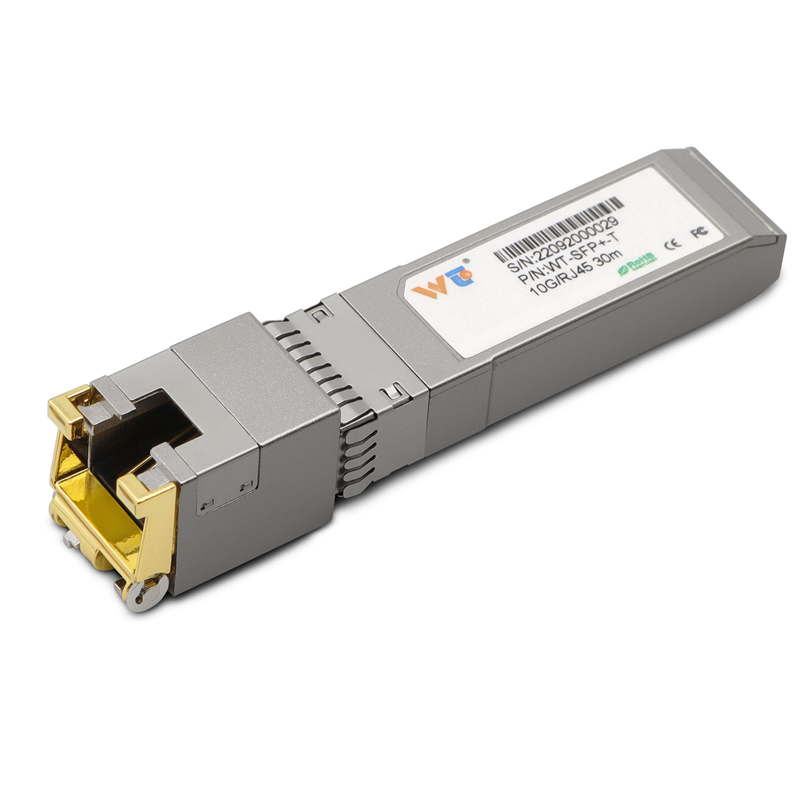
Copper direct-attach (DAC) remains attractive for sub-5m connections: low latency, modest cost and ease of install. For 25G to existing twisted-pair infrastructures, an adapter or an rj45 transceiver can bridge the physical medium. Beware: copper imposes thermal and reach limits; signal conditioning and PCB layout for SFP28 electrical lanes are non-trivial. Still, for aggregation switches near top-of-rack, copper is pragmatic.
Operational production teardown — practical trade-offs
Compare three axes: reach, density and operational burden. Reach is optical fibre’s strength; density favours MPO; operational burden increases with parallel optics and with mixed media. In practice, teams document expected cable length distributions, spare-transceiver lists and failure modes. I mention {main_keyword} and {variation_keyword} here because explicit naming helps when you map inventory to physical racks — the bill of materials must match the network diagram.
Common mistakes and mitigation
Teams often buy for peak theoretical throughput rather than median load; that leads to stranded ports. Another mistake is under-specifying cleaning and polarity checks for MPO trunks — equipment returns and on-site patches climb quickly. – Keep a short-list of verified transceiver vendors, standardise fibre types (OM3/OM4) and label both ends; that simple discipline removes daily friction.
Real-world anchor and brief case comparison
At a recent refresh in a regional research cluster near the University of Edinburgh, engineers moved to SFP28 SR links for intra-cluster traffic while keeping DAC for chassis-adjacent connections. The result: lower power per port and simpler fault isolation. This mirrors broader industry practice where IEEE 802.3by defines the 25GBASE-SR physical layer and informs vendor compatibility checks.
Evaluator’s checklist — what to measure before you commit
Before committing, gather three measurable inputs: typical link lengths, port-density per rack and expected growth rate over three years. Map those to fibre type, connector strategy and spare-transceiver count. Also test interoperability in a lab: verify DOM readings, BER at nominal power and heat dissipation under continuous load.
Advisory closing — three golden rules
1) Match media to distance and density: choose optical for >5m spans and MPO where port density justifies handling complexity. 2) Standardise early: fix fibre grade and transceiver vendor families to reduce spare SKUs and field confusion. 3) Validate physically: pre-run a representative link test for BER and DOM reporting before mass deployment.
WINTOP brings practical transceiver options and documented compatibility matrices that make these choices straightforward — a proper value at the point where design meets deployment.
Authority affirmed — brief, precise and tested.

—