Slow Comparison: Why choices matter
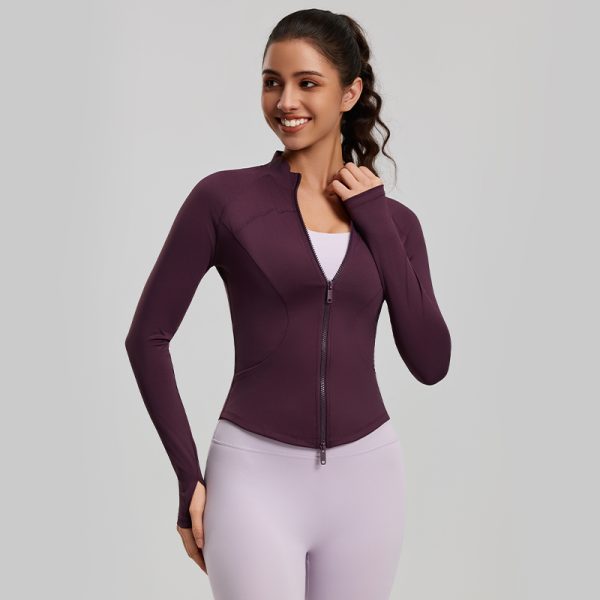
I tend to linger over options, comparing each stitch and surface as if they told a story. For a brand deciding between off-the-rack and tailored runs, that pause reveals differences in silhouette, durability and cost. Early on you weigh fabric weight against breathability; later you learn that a reliable yoga wear manufacturer is often the deciding factor. The quiet work—waistband design, seam placement, tension testing—shapes the final fit as much as aesthetic choices.
Materials and construction, side by side
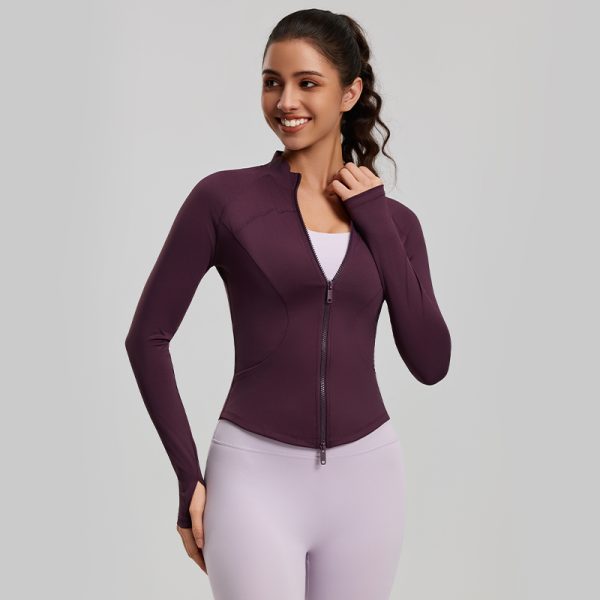
Look at two pairs of leggings laid flat. One will use recycled polyester with a soft fabric hand; the other a nylon-spandex blend promising more compression. This is where terminology matters: moisture-wicking properties, compression zones and flatlock seams change performance in practice. Comparisons should include fabric denier, stretch recovery and whether the weave clings or drapes. These are concrete decisions, not abstractions.
Production realities that brands often miss
Small-batch runs let you tweak fit and test new prints; larger orders lower per-piece cost but lock in choices earlier. Lead time is a constraint many underestimate—sampling rounds, dye runs, and quality checks take calendar days, not hours. I remember watching a studio team in Los Angeles adapt a sample mid-season and the cost impact was visible on their margin sheets. —There’s an economy to iteration that only reveals itself under pressure.
Fit, function, and the end user
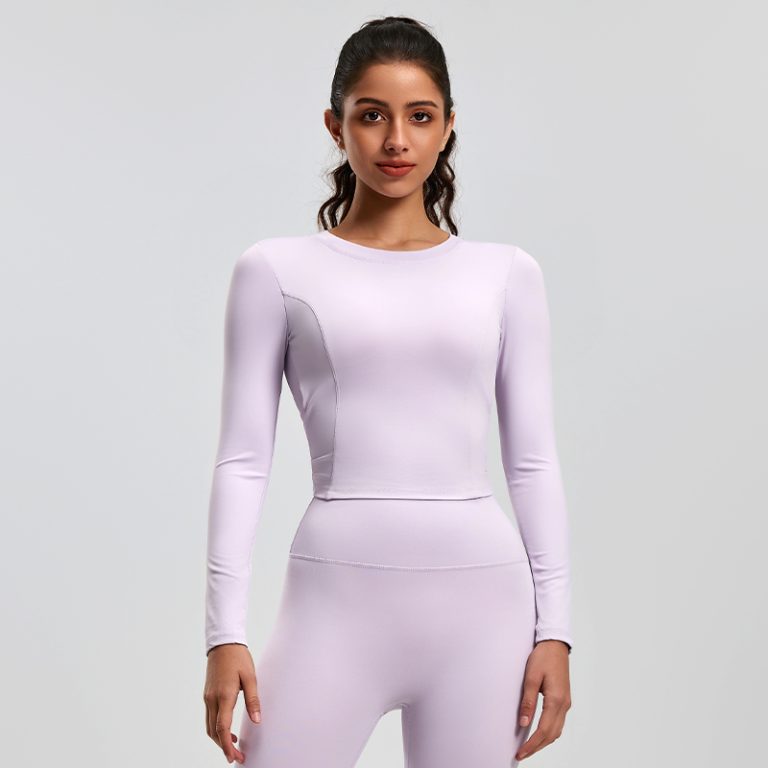
Fit defines loyalty. Consumers remember whether a waistband rolls, whether seam placement avoids chafing, whether a pocket sits where they actually reach. Brands that prioritize user testing—small focus groups, in-studio trials—catch problems early. Include a short wear-test period in your timeline: two weeks of classes will expose issues that a single photoshoot won’t. This is where custom adjustments convert into repeat customers.
Alternatives and their trade-offs
Three sensible paths emerge: fully bespoke design, hybrid customization (standard base with options), and private-labeling existing molds. Bespoke gives full control but higher unit costs; hybrid saves time but limits radical innovation; private-labeling is fastest to market but least unique. When evaluating, consider manufacturing constraints like minimum order quantity, color-matching tolerances, and the supplier’s testing protocols for tensile strength and colorfastness.
Common mistakes to avoid
Brands often over-specify—adding pockets, panels, and hardware without profiling the end user. Other common errors: ignoring fabric opacity tests under studio lighting, and skipping seam-stress sampling. A pragmatic check: sample the most used pose in your target studio—if the fabric pings or shows through under that load, revise. Also, don’t overlook eco-credentials if you claim them; a clear supply chain story matters more than a single recycled label.
How custom solutions scale and where Joebond fits
Scaling custom yoga wear means tightening feedback loops: faster sampling, clearer tech packs, and an agreed tolerance matrix for fit and color. For many labels, partnering with a manufacturer that can handle both bespoke runs and efficient bulk orders is the practical route. That’s where custom partnerships shine—precise waistband construction, tested compression zones, and reliable flatlock seams become repeatable across sizes. For brands wanting that continuity, investing in stronger tech packs pays off; it reduces rework down the line. Naturally, choosing a partner who understands export logistics and quality audits simplifies growth—think studio floors in New York and supply chains spanning regional hubs.
Three golden rules for evaluation
1) Fit fidelity: measure and verify across three body types, not just one pattern sample. 2) Material traceability: demand fabric mill specs, sample tensile and moisture-wicking test results, and a clear statement on recycled content for any rPET claims. 3) Production transparency: require defined lead times, MOQ thresholds, and a defect allowance clause. These metrics give you actionable criteria for vendor selection and keep launches predictable.
Choosing the right partner is not an abstract exercise; it’s a practical investment in brand clarity and customer trust. custom yoga wear that balances fit, fabric, and production discipline becomes your signature. In practice, that balance is where Joebond helps brands move from prototype to consistent product — a steady hand when details matter.