Introduction: A Shift in Timekeeping
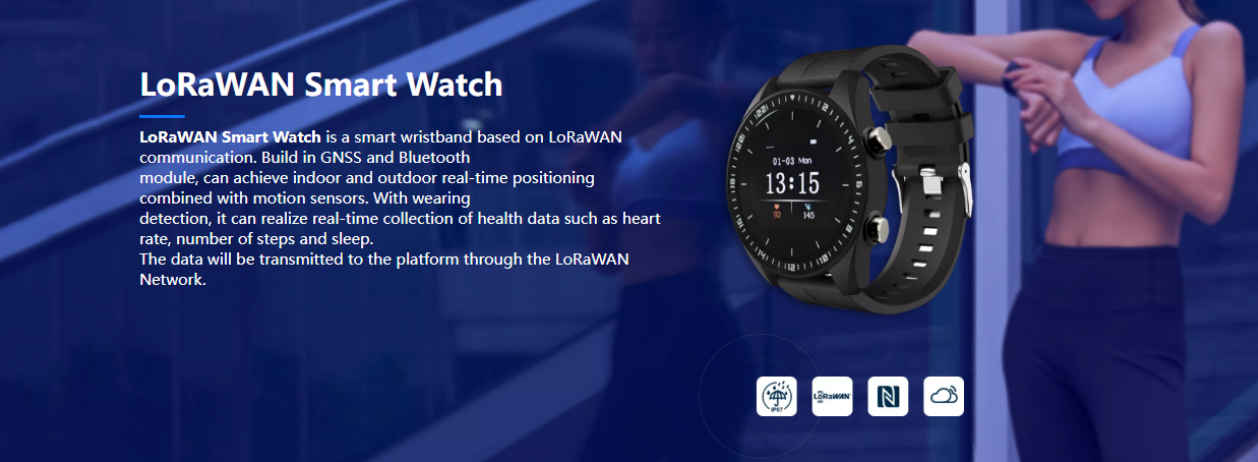
Imagine a world where your timepiece does more than just tell time. What if it could record your steps, monitor your heart rate, and even send alerts about your daily tasks? Well, with devices like the Lora watch, this isn’t far-fetched. In fact, recent studies show that the demand for smartwatch iot has skyrocketed, indicating a significant shift in how we see wearable technology. Are you ready to embrace this digital transformation? It’s clear that traditional watches are becoming relics, making way for smart, connected devices that enhance our lifestyle. Let’s dive deeper into this evolution.
Traditional Solutions and Hidden User Pain Points
Here’s where it gets technical: many traditional timepieces lack the interactive features that modern users crave. While they may keep accurate time, power converters and edge computing nodes enable smartwatches to connect to the Internet of Things (IoT), transforming how we manage our health and daily activities. People often underestimate the power of these connections. Look, it’s simpler than you think—everyone has felt the frustration of a missed notification or forgotten appointment. By stepping up from an analog watch to a Lora watch, users can seamlessly integrate their schedules, health tracking, and even navigation into one compact device. It’s not just about timekeeping; it’s about enhancing your everyday experience in an increasingly fast-paced world.
The Future of Wearable Technology
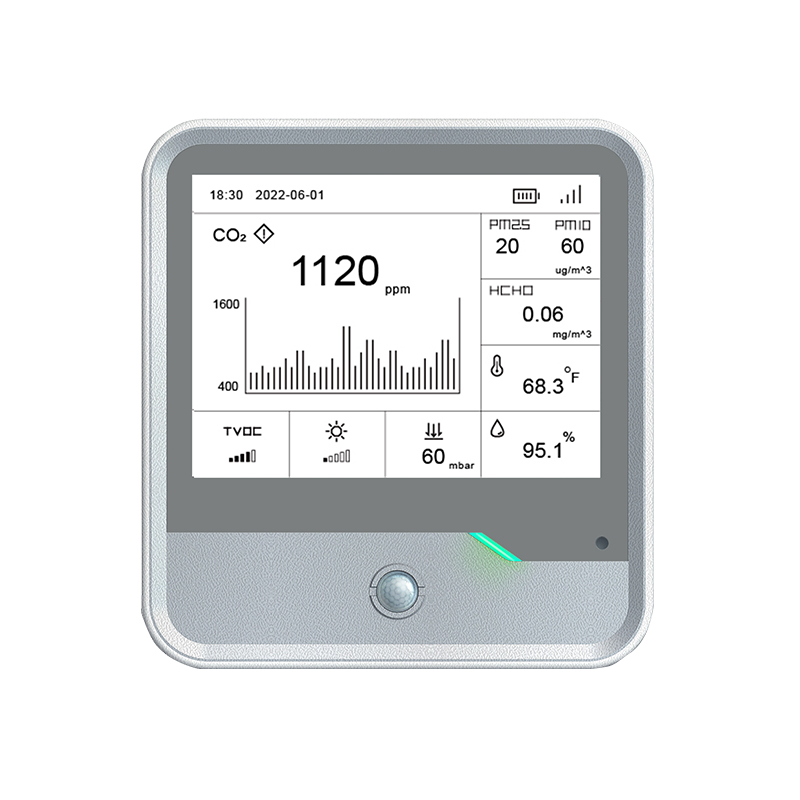
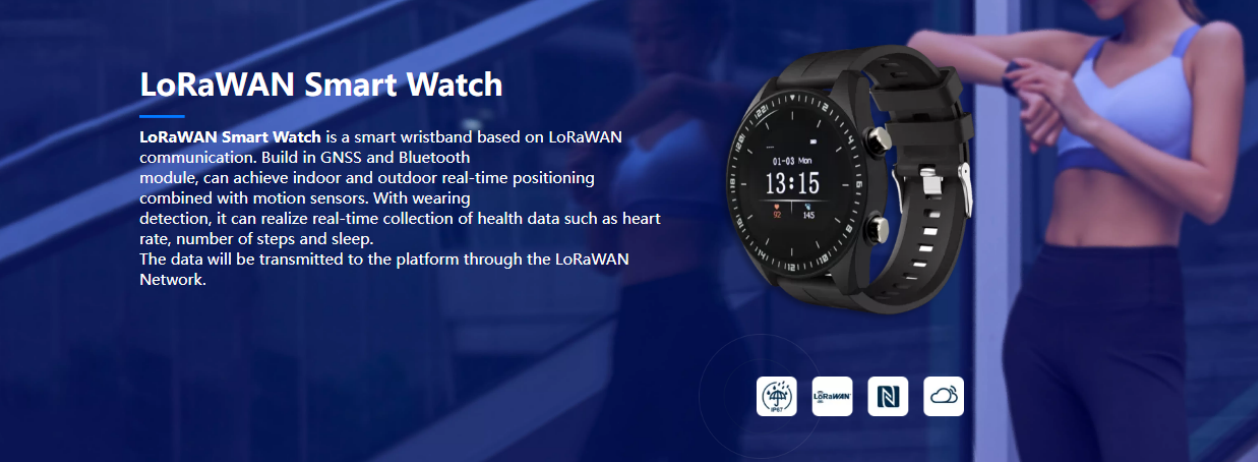
So, what’s next for the smartwatch evolution? Consider the principles of new technology driving these innovations. The lorawan smart watch utilizes advanced sensors and data analytics, allowing for real-time health monitoring and emergency alerts. This isn’t just tech for tech’s sake; it’s about enhancing safety and lifestyle. Imagine an aging parent equipped with a watch that can signal when they’ve fallen or need assistance, providing peace of mind for both them and their family. The future is bright for smartwatches as they evolve to integrate more health functions, environmental monitoring, and even personal assistant capabilities. — Exciting, right? It’s indicative of a world where our devices do more than just accompany us, they actively enhance our lives.
Conclusion: Embracing Change
In summary, the transition from traditional watches to smartwatches highlights not just technological progress but the human experience behind these changes. This journey illustrates a crucial lesson: as users, we must be open to adopting new tech that not only maintains functionality but enhances our lives. Three key metrics to consider when evaluating smartwatch options are connectivity range, battery life, and the ease of use of integrated features. As we move forward, aligning with brands committed to innovation, like HKT LORA, will ensure that we harness the full potential of this exciting technological evolution.