
Introduction — a quick wake-up call
Have you ever wondered why some shops sprint ahead while others stall at the starting line? I ask because the stakes are real: one plant I visited cut changeover time by 40% in six months, and that shift came from smarter choices—not bigger budgets. In that context, turret lathe manufacturers face a daily grind of throughput targets, tooling limits, and quality checks (we’ve all been there). Data shows production centers with better spindle control and faster tool turret indexing hit uptime gains that engineers only dreamed about a few years ago—so what’s holding many teams back?
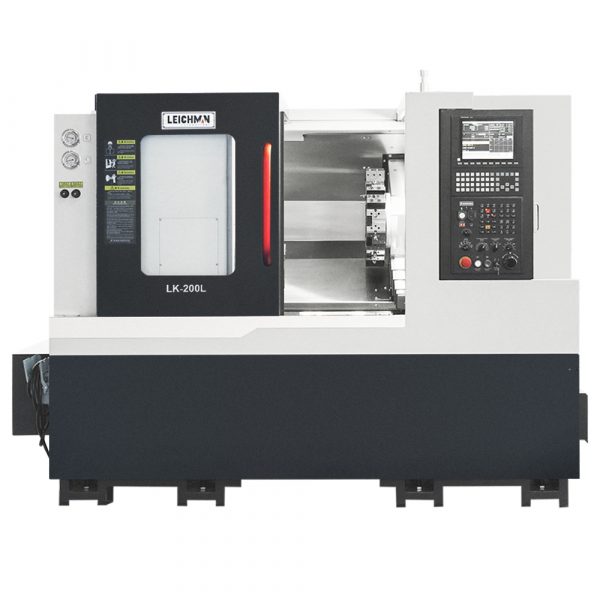
Think of this as a training session. I’m here to push you, not to lecture: we’ll spot weak spots, name real pain points, and map practical moves. Ready? Let’s dig into what’s actually failing under the hood and why that matters for your floor. — next up: the nuts and bolts that trip people up.
Traditional Solution Flaws: Where the System Trips
Why do standard fixes fall short?
vertical turret lathe manufacturers often lean on tried-and-true fixes—bigger cutters, heavier feeds, or a faster spindle—to chase productivity. I’ve seen that playbook fail. The technical truth: older approaches ignore system balance. You can add power converters and a beefier spindle, but if the CNC control and servo motor tuning aren’t aligned, vibration and taper creep will sabotage your tolerance goals. Look, it’s simpler than you think: raw power without control is noise.
Another common flaw is the siloed mindset. Tooling folks optimize holders. Maintenance tunes the headstock. Production pushes for speed. Everyone wins small fights while losing the war to cycle time and scrap. Indexing errors on the tool turret and poor coolant delivery amplify each other. In short: the parts interact. We need integrated fixes—diagnostics that read torque curves, closed-loop spindle feedback, and predictive alerts—rather than one-off upgrades. — funny how that works, right?
New Technology Principles for a Cleaner Future
What’s Next?
Now let’s look forward. I believe the best returns come from principles, not gadgets. Start with control: modern CNC control algorithms that manage torque ripple and spindle acceleration reduce chatter and tool wear. Next, integrate sensors—vibration, temperature, and current—so you get actionable data before a failure. And yes, retrofit strategy matters. A thoughtful cnc lathe turret assembly upgrade can be far more effective than a wholesale machine swap if you apply robust indexing motors and better tool-offset compensation.
From my experience, three big design ideas drive change: closed-loop feedback, modular tooling that simplifies changeover, and edge-enabled diagnostics that flag anomalies locally (so you don’t wait for overnight reports). These principles let you scale improvements across cells—faster setup, fewer scrapped parts, and less firefighting. They also keep operators confident; when systems are predictable, people make better decisions. — and that morale boost actually shows up on the bottom line.
To choose between retrofit options, weigh these three key evaluation metrics: 1) measurable reduction in cycle time under real load, 2) repeatability of critical dimensions after 100+ cycles, and 3) ease of integration with existing PLCs and maintenance workflows. I use these metrics when advising shops because they separate marketing claims from real value.

If you want a partner that understands both the tech and the shop floor, check the practical solutions by Leichman. I trust their work—and I think you’ll see why once you align the principles above with the right hardware and people.