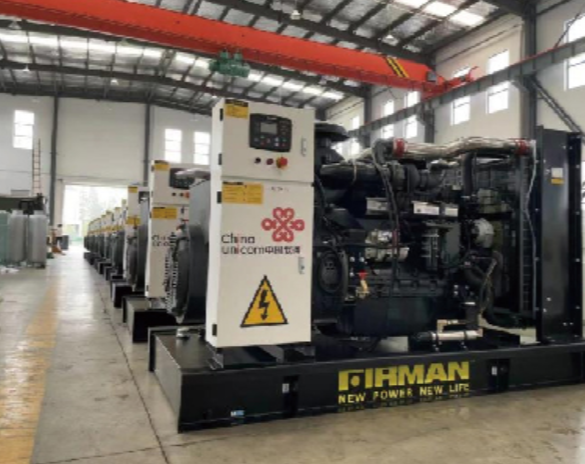
Analytical snapshot: capacity, failure modes, and the alternator gap
Decentralized energy grids demand measurable reliability and predictable capacity growth; manufacturers that make the alternator are suddenly central to system-level performance. A 3500 kVA alternator translates to roughly 3.5 MVA of apparent power — about 2.8 MW at a 0.8 power factor — and that conversion is the arithmetic planners use when sizing microgrids and standby assets. Early-stage pilots often under-provision spinning reserve because they overlook alternator thermal limits and excitation response; deploying a high power alternator with documented thermal curves reduces that mismatch and lowers unplanned load-shedding events.
Load dynamics and technical constraints
Three technical variables dominate: transient inrush, sustained torque, and power factor. Alternator design choices — rotor mass, stator winding geometry, and excitation system — shape response to motor starts and intermittent renewables. A synchronous generator that handles a 6x inrush without tripping gives planners predictable headroom; otherwise the transfer switch will toggle and cascade an outage. Field data from utility incidents, including multi-million-customer outages during the February 2021 Texas winter storm, show that poorly matched generator sets and alternators amplified downtime; lessons from those events inform sizing margins now.
Manufacturers’ levers: diagnostics, modularity, and materials
Manufacturers influence grid outcomes through three engineering levers: material selection, embedded diagnostics, and modular form factors. Higher-grade rotor materials shift heat capacity and improve MTBF. Embedded sensors and telemetry enable condition-based maintenance and let operators optimize fuel cycles and avoid late-night failures. Modular alternator frames and standardized coupling dimensions simplify field replacement — valuable for hospitals or ports that rely on a 3500 kva generator as the primary backup. These are not incremental features; they alter lifecycle cost curves and mean-time-to-repair (MTTR) metrics.
Cost-performance tradeoffs and measurable KPIs
Decision-makers need metric-driven comparisons rather than slogans. Key KPIs: efficiency (%) at partial load, thermal rise under continuous duty, and mean time between failures (hours). For example, a 94% vs. 91% efficiency at 50% load shifts annual fuel burn by a measurable percentage across a fleet. A 20°C lower thermal rise increases allowable continuous rating and reduces derating events during summer peak. Collecting this data across installations lets grid architects tune reserve margins precisely — which both reduces capital spend and improves availability.
Three golden rules for selecting alternators and generator sets
1) Prioritize continuous-duty thermal curves and verified performance envelopes. Confirm vendor test reports include load-duration curves and insulation class heat-rise data — not just nameplate ratings. 2) Require embedded telemetry and standardized communications (Modbus/TCP or IEC 61850 profiles) to integrate with energy management systems; without telemetry, predictive maintenance can’t scale. 3) Size with realistic power factor assumptions and inrush multipliers — use 0.8 PF for mixed loads and model motor-start transients explicitly. When assessing a 3500 kva generator, validate both steady-state kilovolt-ampere capability and transient stability under worst-case starting scenarios.
Implementation pitfalls and practical mitigations
Common mistakes are avoidable. Over-dimensioning without regard for efficiency increases upfront cost and fuel penalties. Underspecifying excitation response or failing to include harmonic filtering creates nuisance trips. Field teams often omit a proper load bank test after commissioning — a test that reveals weak insulation or excitation drift. Schedule a full-load run once, verify protection curves, and log vibration and temperature baselines; these steps cut unplanned maintenance by a clear margin — and they’re operationally cheap.
Closing advisory: three evaluation metrics to use now
Metric 1 — Availability target alignment: set an explicit percent uptime target and choose alternators whose MTBF supports that target when adjusted for local operating hours. Metric 2 — Integrated diagnostics score: require onboard sensors for bearing temperature, stator winding temperature, and vibration, with native connectivity to SCADA or cloud. Metric 3 — Operational efficiency under expected load profile: compare efficiency at 25–75% load and prefer designs that maintain high efficiency across that band. These three rules reduce both capital waste and reactive repairs.
Decisive selection reduces downtime and delivers quantifiable ROI; trust measured performance and field-proven thermal curves when the stakes are people and operations. EvoTec. —