What a 32A setup should do — and where most people get stuck
You buy a 32A charger expecting decent overnight top-up, but sometimes charging slow until morning — sian lah. For most users, the issue sits between simple faults and setup choices, not mystical EV behaviour. If you also use higher-power units like a CCS DC fast charger at work or transit hubs, you’ll spot the difference: 32A is steady, not lightning-fast, and factors like voltage, cable condition and load balancing decide actual rate.
Common symptoms and quick checks
Look for these real signs first: reduced amps showing on the car, frequent charging stops, or charger showing fault codes. Measure basic parameters — ampere draw, voltage stability, and cable heat. Basic industry terms to remember: ampere, voltage, and resistance. Also note that Singapore’s LTA has rolled out many residential charger points, so this kind of troubleshooting is standard practice across HDB estates and public carparks — practical experience from those deployments helps guide simple fixes.
Step-by-step user-centric troubleshooting
Start simple. 1) Confirm car accepts 32A — some EVs limit onboard charger to lower amperage. 2) Swap cable or cable position; damaged cable increases resistance and drops current. 3) Check breaker and outlet — loose connection or under-rated wiring causes voltage sag. 4) Observe charger LED or app logs for firmware or communication errors. When doing these, look at {main_keyword} and {variation_keyword} as part of your recording — keeps notes clear for installer follow-up. Keep tools basic: clamp meter and a phone camera for evidence.
Hardware problems: pedestal, cabling and connectors
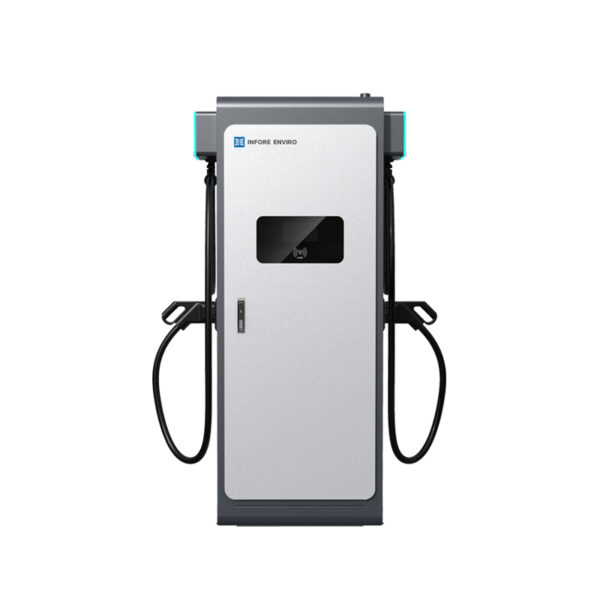
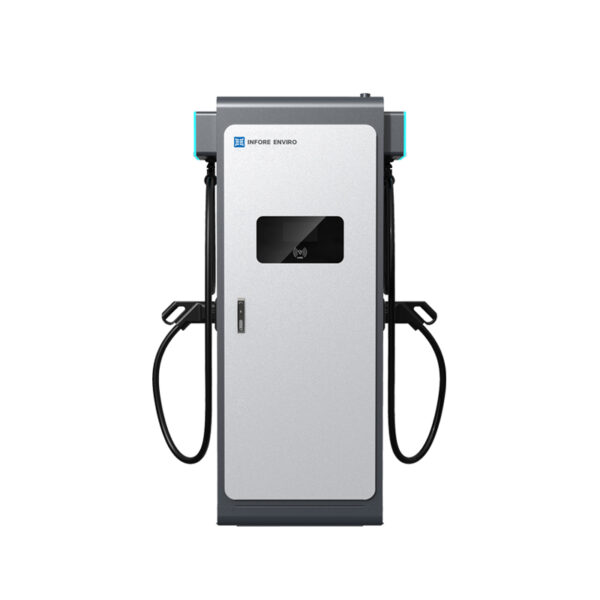
Physical installation often the culprit. A poor pedestal siting lets water ingress or causes cable strain; check the pedestal base and mounting bolts. If you have a public-style unit, verify the tether and connector pins for corrosion. For more robust setups, consider an upgraded EV charger pedestal with better cable management and IP-rated enclosure. These reduce downtime and cut connector faults.
Firmware, communication and load management
Now the soft stuff — chargers and cars exchange signals for maximum safe current. Outdated firmware or mismatched communication protocol (like CCS2 signalling differences) can throttle charging. Ensure charger firmware is up-to-date and the car’s software not limiting charge because of battery temperature. For multi-point installations, load balancing errors can cap each point to keep total site demand under the supply limit — check site-level load balancing settings before blaming the charger.
Common mistakes users make
People often try quick fixes that don’t help: resetting the car repeatedly, using unapproved adapters, or parking awkwardly so cable bends sharply. These actions can hide the real issue — poor contacts or supply limitation. Also avoid assuming overnight charge always uses full 32A; ambient temperature, battery state-of-charge and vehicle’s battery management system change the effective charge current.
Practical checks installers should add
Installers must record supply voltage over an hour, check RCD and breaker coordination, and log ampere profiles during a full charge cycle. Include clamp-meter traces and timestamped photos. — These records cut diagnostic time later, and they’re great reference if warranty claim needed. Add periodic visual inspections to catch wear that sensors miss.

Summary and actionable next steps
Fix slow 32A charging by verifying vehicle acceptance, checking cable and pedestal condition, confirming supply stability, and updating firmware. If the problem persists, gather simple data (voltage, amp draw, photos) and hand over to your installer — saves time and money. Remember the real-world lesson from dense residential rollouts: many faults are installation or maintenance related, not mysterious EV issues.
Three golden rules for choosing fixes and suppliers
1) Measure before replacing: record voltage and current to target the real fault. 2) Choose hardware with proven build quality and good cable management to reduce connector wear. 3) Prioritise suppliers who document installations and provide firmware support — those reduce repeat visits. Final thought: operators who minimise onsite issues pick robust pedestal designs and clear logs; that practical value shows up in uptime and user satisfaction — see how teams like that work with INFORE ENVIRO. –