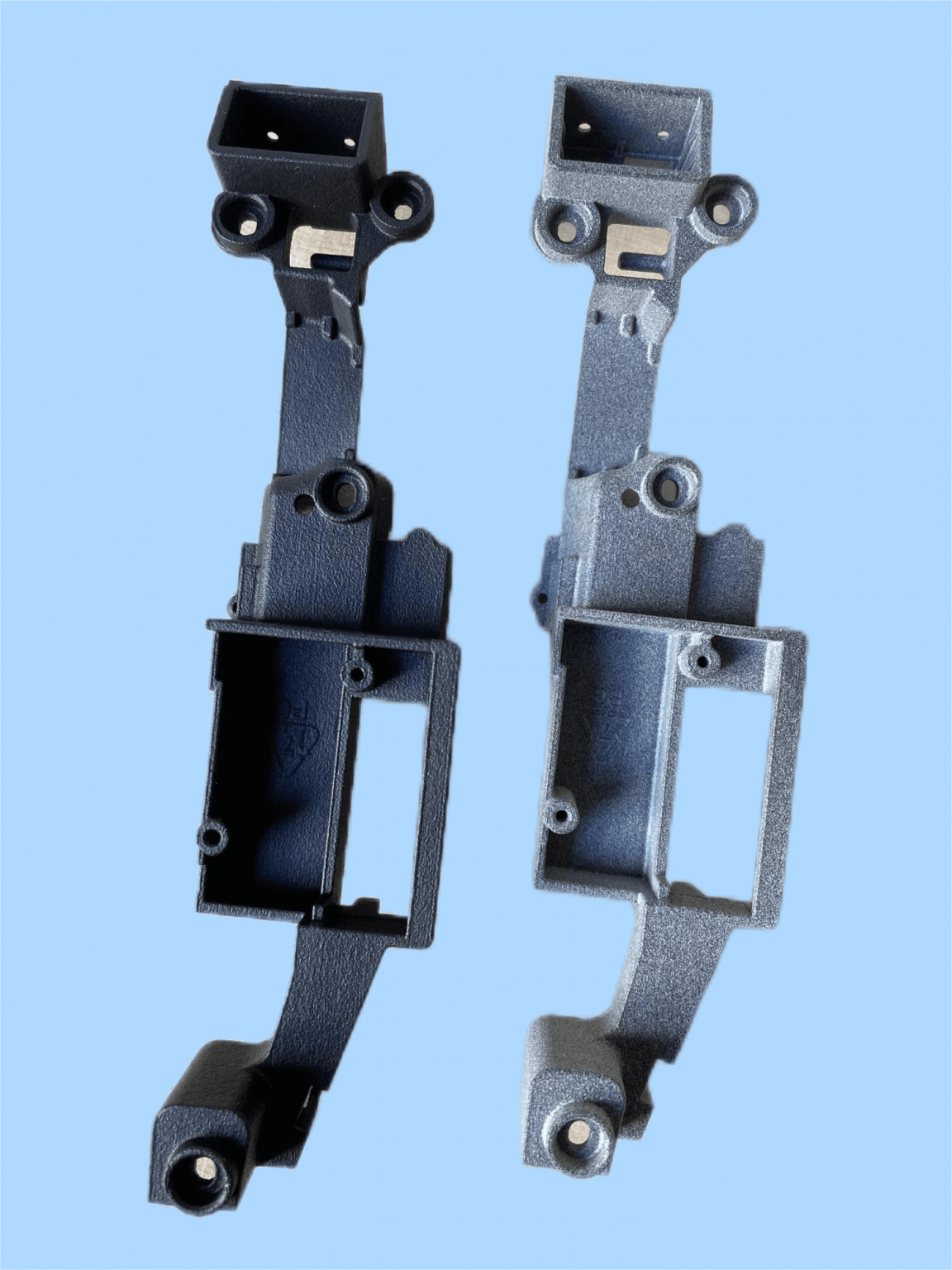
A New Dawn in 3D Mold Printing
Imagine this: you’re working on a high-stakes project, and you need a rapid prototype. A quick survey reveals that 80% of designers experience long lead times with traditional prototyping methods. How can you prevent delays? This is where 3d mold printing service comes into play, revolutionizing our approach to production.
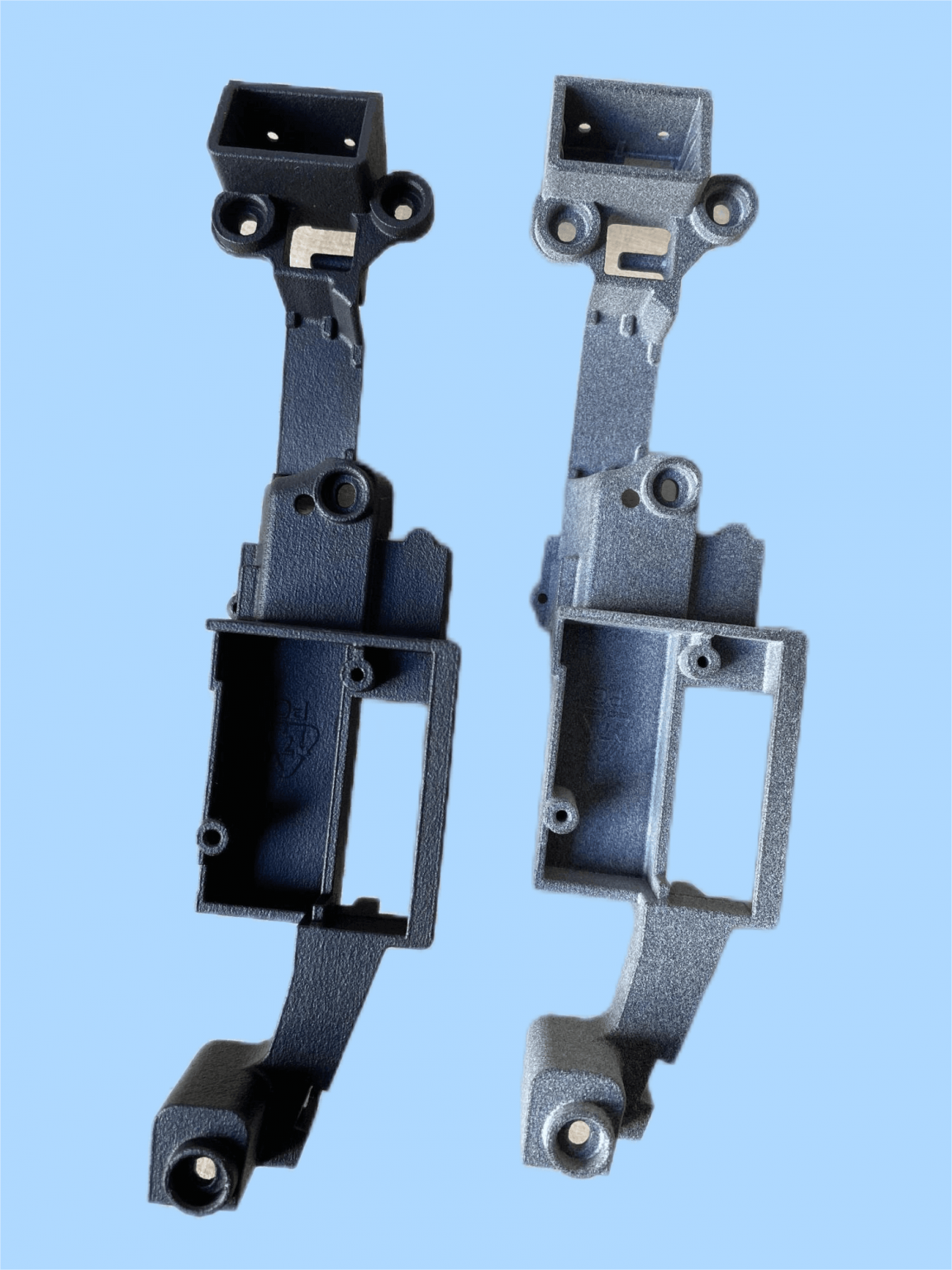
Understanding the Limitations of Traditional Methods
This is not just about speed. Traditional methods often fail to deliver the precise quality you expect. I vividly recall a project from last year—a client wanted a complex geometric design. The result from conventional molding was subpar, leading to frustration and lost time. In contrast, with the 3D mold printing service, I was able to produce designs that were not only faster but also met the high-quality standards our clients demand. Terms like ‘layer resolution’ and ‘material adaptability’ now define our toolkit.
Why Settle for Less?
Let’s face it—nobody likes to compromise when it comes to quality. The advent of 3D printing in the plastic sector has drastically changed expectations. With advances in thermoplastics and engineering resins, we now have options like Polycarbonate and Nylon that were previously out of reach.
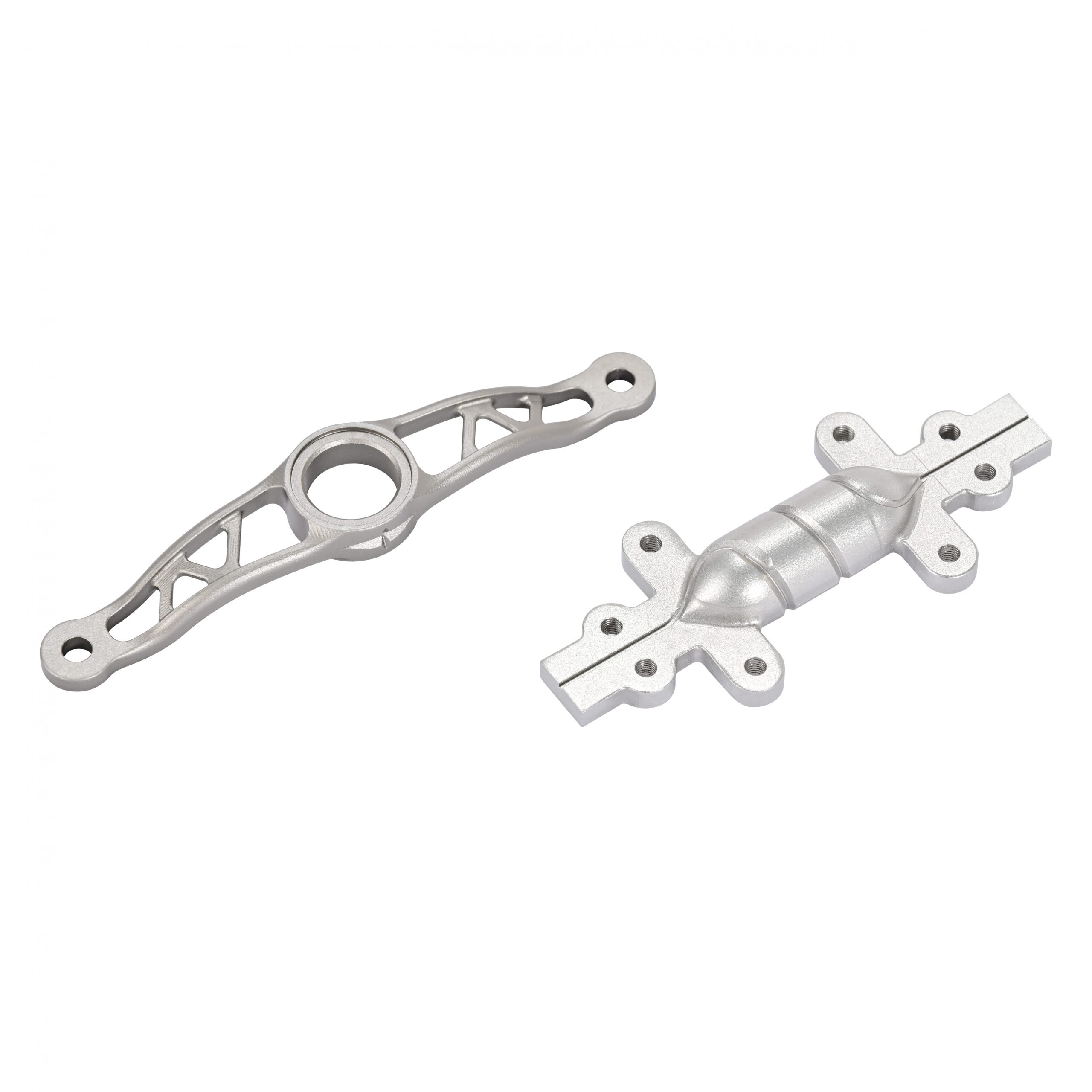
What’s Next for Plastic 3D Printing?
As we delve into the future of 3d mold printing service, it’s encouraging to see companies pushing the envelope further. Manufacturers are experimenting with bioplastics, catering to sustainability, and enhancing performance. Think about it—your designs could be more eco-friendly while maintaining functionality. The future is looking bright, and I expect we’ll see unprecedented speed and accuracy as these technologies continue to evolve.
Real-world Impact of Innovations
In my experience, I saw a direct impact on costs when transitioning to 3D printing. The elimination of tooling allows for more rapid iterations, which translates to faster time-to-market. Not to mention, the financial savings can be substantial. By utilizing cutting-edge materials and technology, we avoid the drastic cash outlays associated with traditional methods. It’s safe to say that superior technology can drive exceptional project outcomes.
Key Takeaways for Your Company
After analyzing various case studies, I can offer three critical metrics for evaluating a shift to modern 3D mold printing: speed of production, quality of the finished product, and cost efficiency. Keeping these elements balanced is vital in your decision-making process. If you want to stay ahead of your competition, consider building efficiency into your workflows through advanced 3D printing solutions. The insights I’ve gathered from my years in the industry point towards one conclusion: the right partner can make all the difference.
Every industry is changing, and I have witnessed the transformation firsthand. The future of plastic 3D printing holds amazing potential, and companies like APT-Mold are paving the way.